Rebooking Bangkok creators: repeat-client discounts 2026
By Mai Influence
The first booking with a Bangkok creator is a rate-card conversation. The second one is a relationship conversation, and the price should reflect it. Most SEA brand marketers pay the sticker rate every time, because nobody teaches you to ask, and because creators quote whatever the previous brand paid. The gap between the first invoice and a properly negotiated second invoice is where a Bangkok media budget quietly loses 10 to 25% every quarter.
This is a negotiation piece, not a rate piece. If you need the underlying rate bands first, our Bangkok creator rates guide sets the sticker numbers. Everything below assumes the first booking landed, the wrap report was clean, and the creator would take the second brief tomorrow if you asked. If any of those three things is not true, do not bother chasing a discount, book a different creator.
Why the discount exists at all
The economics on the creator side of a rebooking are genuinely different, and that is what unlocks the drop. First bookings carry an unpaid tax that repeat bookings do not. There is the pitch conversation, the brand-safety scan on the creator's own feed, the moodboard translation from a corporate deck into shootable frames, and a full round of contract negotiation with a brand the creator has never worked with. A Bangkok mid-tier creator quietly bakes 2,000 to 5,000 THB of unbilled admin time into a first booking, and a rebooking removes almost all of it.
The second booking also carries less delivery risk. The creator knows the product, the tone, the approval turnaround, and which frames the brand will reject. Reshoot risk drops to almost nothing, which is why our revision rounds piece recommends a tighter rev cap on repeat work. Fewer revisions, cleaner delivery, and a shorter feedback loop are all real value to the creator, and the pricing should trade some of that back to the brand.
The honest drop ranges
The discount is not linear, and it is not open-ended. Below are the ranges we see across the marketplace on Bangkok creators between 30,000 and 400,000 followers, quoted against the first-booking sticker rate:
- second booking within 90 days of the first: 10 to 15% off
- third booking within 180 days: 15 to 20% off cumulative
- fourth booking and beyond within 12 months: 20 to 25% off cumulative, and the ceiling
- retainer of one deliverable per month for 6 months: 25 to 30% off, paid monthly in advance

The 25% ceiling is real, and creators who dip below it are almost always doing so because the campaign is underpriced somewhere else. A creator quoting 40% off a rebooking usually rebalances by shortening the usage window, cutting a deliverable, or removing whitelisting. Read the full quote line by line before you celebrate the headline number, because the honest cost per deliverable rarely moves more than the ranges above.
What to ask for, in order
The negotiation lives or dies on sequencing. Ask for the wrong thing first and the creator anchors on the wrong concession. The order we use on the marketplace is short:
- lock the same core deliverable at 10 to 15% off, quoted as a flat number in THB, not as a percentage
- extend the usage rights window from 60 to 90 days for the same fee, per our usage rights guide
- add whitelisting to the deliverables list at 50% of the first-booking whitelisting fee
- ask for a 3-business-day approval turnaround baked into the contract instead of the standard 5
The reason the discount comes first is that percentage moves are the easiest concession for a creator to sign off on inside their own head. The usage rights extension and the whitelisting add-on look like scope changes to the creator, but the actual production cost is zero, so the concession is cheap for them and worth real money to the brand.
Where to hold your line
Not every rebooking should be discounted. Three situations where the sticker rate is fair, and pushing on price will cost the relationship:
- the first campaign outperformed the brand's own paid benchmarks by more than 30%, and the creator now has proof they can quote against future brands
- the second brief is a new product line, a new format, or a new platform for the creator, so most of the first-booking admin tax comes back
- the creator has hit a follower or engagement milestone since the first booking that would justify a rate-card increase on their side
In each of those, the honest move is to pay the sticker and negotiate the usage window instead. The relationship is worth more than the 12% you would claw back, and creators talk to each other about which SEA brands push too hard. Reputation on the Bangkok creator scene compounds faster than any single campaign saving.
The retainer question
The retainer is the most misused tool in this whole conversation, and the one worth the most when it works. A properly structured retainer with a Bangkok mid-tier creator pays for one deliverable a month for 6 months, upfront or in monthly tranches, at 25 to 30% off the sticker rate for each deliverable. The creator gets predictable revenue, the brand gets first-refusal on the creator's calendar, and both sides skip the negotiation cycle every single month.
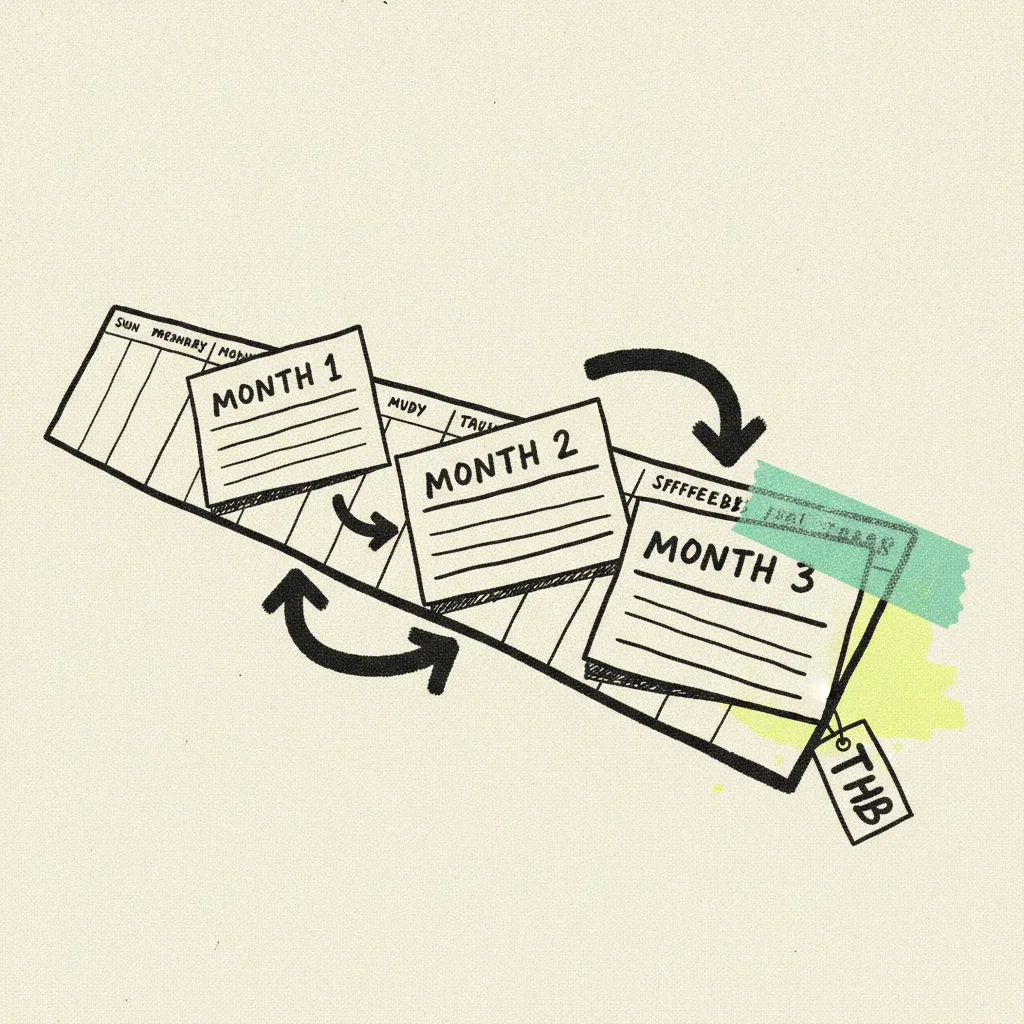
The misuse is signing retainers with creators who are not yet proven for the brand. A retainer with a wrong-fit creator is 6 months of underperforming content the brand paid for in advance. Book three separate campaigns first, prove the fit on wrap-report numbers per our wrap reports piece, and then convert the fourth booking into a retainer. That order takes 4 to 5 months and skips the most expensive mistake in the whole rebooking playbook.
The largest verified rebooking saving we have seen on the marketplace was 22% cumulative across four bookings of a 42,000-follower Bangkok food creator in the second half of 2026, structured as three flat-fee rebookings and then a 6-month retainer at 28% off, all with the same brand.
Rebooking discounts are not a hack, they are the honest price of a repeat relationship, and the reason they stay unclaimed is that most SEA brands never build the relationship in the first place. Book once, wrap-report clean, ask the second time. That is the entire trick, and it is where a Bangkok media budget actually starts to work like a proper media budget instead of a series of one-shots.