Bangkok creator usage rights: what to pay in 2026
By Mai Influence
Most Bangkok brands pay for a creator post and assume they own the asset. They do not. The default deal on every creator marketplace, agency contract, and DM-negotiated booking is a sixty-day organic post on the creator's own channels, nothing more. Run that asset as a paid ad after Day 61, cut it into a TVC, or play it on a 7-Eleven screen, and you are using content you never licensed.
This post is the honest breakdown of usage rights for SEA brand marketers in 2026. What the layers are, what each one costs in THB, and which ones are worth paying for on a 200,000 THB campaign versus a 2,000,000 THB launch.
What "usage rights" actually means
A usage right is permission to use a piece of creator content in a specific place, for a specific time, on a specific surface. The post the creator publishes on their own Instagram or TikTok is one surface. Your brand's own account reposting it is a second surface. A boosted Meta ad with paid spend behind it is a third. Display screens at Tops or 7-Eleven are a fourth. Print, OOH billboards, and TV are a fifth. Every additional surface and every additional month past the default costs extra, and the cleanest deals state the surfaces and the timing line by line.
Brands that skip this conversation end up in one of two failure modes. The first is overpaying for nothing, when an agency bundles "full rights" into a quote without specifying which surfaces and the brand never uses any of them. The second is underpaying and then quietly extending use, which is the kind of breach that surfaces six months later when the creator notices their face on a Sukhumvit billboard nobody told them about. Neither is uncommon in Bangkok. Both are avoidable with one extra paragraph in the brief.
Organic posting rights, the default
Every paid creator post on the Mai Influence roster comes with sixty days of organic posting rights on the creator's own channel by default. The creator posts the Reel or TikTok, the post stays live for two months, and the brand can repost to its own organic feed during that window. After Day 61 the post can technically be taken down at the creator's discretion, although in practice most stay up unless the brand asks for removal.
Sixty days is enough for most launch campaigns and almost all seeding work. It is not enough for evergreen content the brand wants to keep running, and it is not enough for any kind of paid amplification. Treat the sixty-day default as the floor, not the ceiling. The rate ranges in our 2026 guide already include this default; anything beyond it is a separate line item.
Whitelisting and paid amplification
This is the layer most Bangkok SMBs miss, and the one with the biggest payoff per THB spent. Whitelisting means the creator grants your brand the rights to run their post as a paid ad from the creator's own handle, with paid spend, targeting, and a "Sponsored" tag attached. The creative is the creator's, the ad budget and targeting are yours, and the impression count is no longer capped by their organic reach.
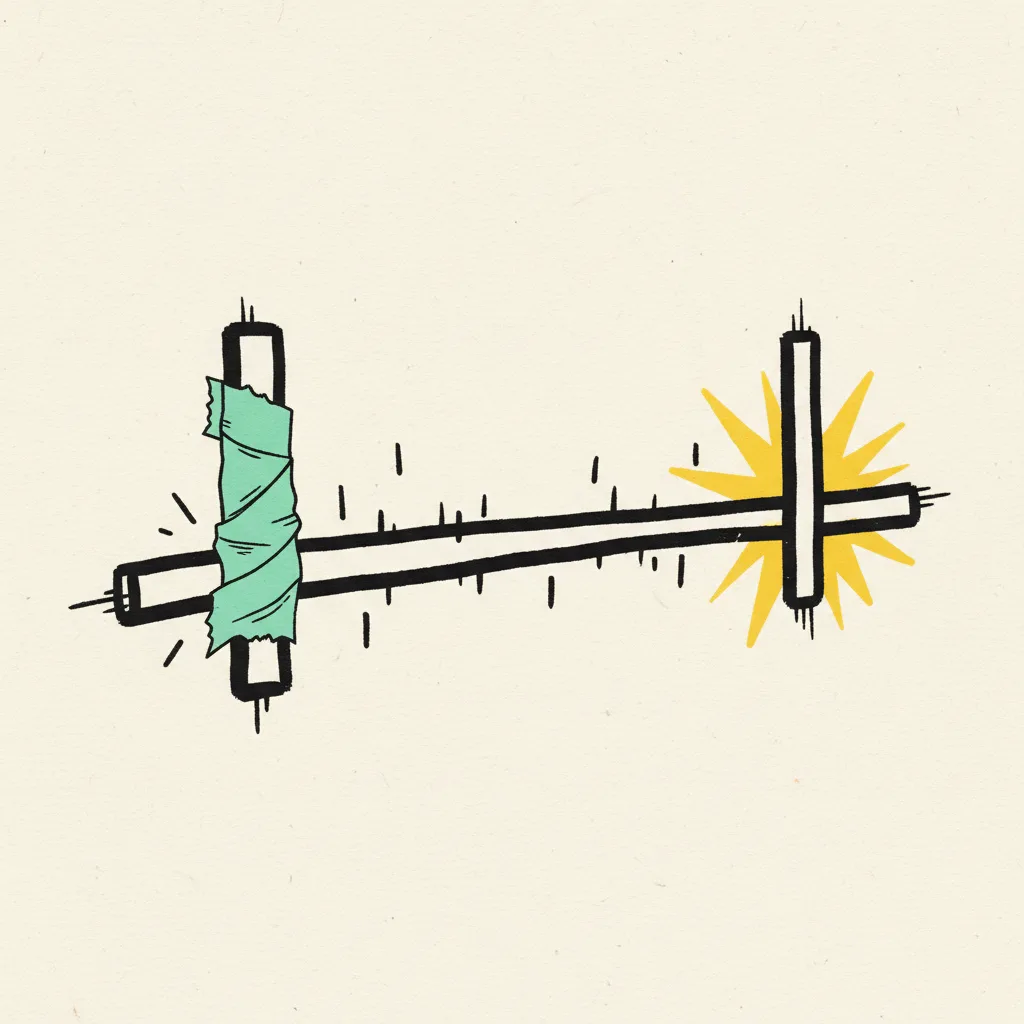
Expected cost ranges from the Mai Influence roster in 2026, on top of the base creator fee:
- 30 days whitelisting: 20 to 35% of the base post fee.
- 60 days whitelisting: 35 to 60% of the base post fee.
- 90 days whitelisting: 60 to 90% of the base post fee.
So a Reel that costs 18,000 THB at the micro tier becomes roughly 24,000 to 29,000 THB with thirty days of whitelisting layered on. The maths almost always works on direct-response campaigns, because the cost-per-thousand on a whitelisted creator ad in Thailand currently runs 30 to 55% below the equivalent brand-handle ad. The creator's face does the trust work; your media budget does the reach.
Macro tier creators with a strong personal brand sometimes refuse whitelisting outright, or quote more aggressive multipliers (mostly fair, perpetual brand-fit concerns are real). The micro tier is where whitelisting is easiest to negotiate and easiest to justify on a small budget.
Perpetual rights and retail or OOH
The expensive end of the licence stack. Perpetual rights mean the brand can use the asset forever, on any surface, in any market, without coming back to renegotiate. Retail rights mean the brand can play the asset on in-store screens at Tops, Lotus's, Villa Market, or the 7-Eleven loop. OOH rights cover billboards, BTS screens, and any other public-display surface.
Honest ranges on the roster:
- 12 months full digital rights (organic plus paid plus brand handle, no print or OOH): 80 to 150% of the base post fee.
- Perpetual digital rights: 200 to 400% of the base post fee, often negotiated as a flat THB figure rather than a multiplier.
- Retail screen rights (Tops, 7-Eleven, and similar chains): 50,000 to 200,000 THB, depending on chain count and asset length.
- OOH and TVC inclusion: starts around 150,000 THB for the micro tier and runs into the millions for macro tier. Highly negotiable.
These layers only make sense for evergreen creative, anchor launch assets, or campaigns where the brand expects to repurpose the content for at least a year. For most monthly content programmes, paying for whitelisting only is the right call.
What to negotiate and when
A simple decision rule. On any campaign under 500,000 THB total, negotiate sixty to ninety days of whitelisting on the top one to three assets and leave the rest at default. On campaigns between 500,000 and 2,000,000 THB, add twelve months of digital rights on the hero asset and whitelisting on the supporting assets. On launches above 2,000,000 THB, bring perpetual rights and retail or OOH into scope from the brief stage so creators can quote them in their first offer.

Two practical rules from campaigns the roster has run. First, never agree to "all rights" without naming the surfaces in writing. Vague language costs more, not less, because creators price the unknown high. Second, decide whitelisting on the day the brief goes out, not after the post lands. Negotiating rights retroactively typically costs 30 to 60% more than negotiating them inside the original offer, because the creator now knows you want it.
How to write usage into a Mai Influence brief
Add a four-line usage block to the brief, right after the deliverables. State organic duration, whitelisting duration if any, paid-spend cap on the whitelisted ad, and any retail or OOH inclusion. That is enough for creators to quote accurately on the first offer and avoid the back-and-forth that drags negotiations into a second week. The seven-line brief format already includes a placeholder line for this; fill it in instead of leaving it blank.
Once the offer is accepted on the platform, Stripe escrow holds the full amount, including the usage layer, until proof of delivery. If the brand later wants to extend whitelisting from sixty to ninety days mid-campaign, that is a separate addendum and a separate escrow event, kept clean from the original payment. The audit trail matters when the ROI report lands and finance wants to know exactly which line item paid for which surface.
FAQ
Do I own the content I paid the creator to make? No. By default you have permission to use it on the agreed surfaces for the agreed time, typically sixty days organic on the creator's own channel. The creator retains copyright. To use the asset anywhere else, you licence additional rights.
Is whitelisting worth paying for on a small campaign? On any direct-response campaign above 50,000 THB total spend, almost always yes. The cost-per-thousand on a whitelisted creator ad in Thailand currently runs 30 to 55% below the equivalent brand-handle ad, and the uplift more than covers the additional whitelisting fee.
Can I extend rights after the post goes live? Yes, but it costs 30 to 60% more than negotiating the same rights in the original offer. The cheapest time to buy rights is before the creator has any leverage; the most expensive time is after they have seen the post perform.
What about user-generated content I find organically? You still need permission to repost it on your brand handle, and certainly to run it as a paid ad. A short DM asking for written consent and offering a small fee (typically 2,000 to 8,000 THB for a single Reel) is standard practice and a fraction of the cost of a fresh brief.
Do creators on Mai Influence quote usage rights inside the platform? Yes. The brief format prompts the brand to specify usage in the request, and the creator's offer breaks out the base fee from any whitelisting or extended rights. Stripe escrow holds the full amount until proof of delivery, so the usage layer is part of the same protected payment.