
Thai-language creative review for non-Thai brand teams 2026
By Mai Influence
Most SMB brand teams in Bangkok have the same gap. The founder or marketing lead reviews creative in English. The creator posts in Thai. The two drafts travel through separate heads, and the version that actually reaches customers is the one nobody on the brand side can fully read. When something goes wrong, it goes wrong in public.
This is not a Thai-language skills problem. It is a review-workflow problem. Below is the process we see work on maiinfluence.com rosters when the brand lead does not speak fluent Thai but still needs sign-off authority.
Why English back-translation fails on its own
Back-translation is the default move. You ask the creator to send an English version of the Thai caption, and you approve the English. The issue is that Thai carries register, politeness particles, and cultural references that collapse into neutral English prose. A caption that reads as warm, cheeky, or slightly suggestive in Thai will show up in English as a flat sentence that passes review in thirty seconds.
The two things that most often slip through English-only review are register (too casual for a premium brand, too formal for a Gen Z audience) and inside references (a slang phrase, a political nod, a food meme) that the English draft either flattens or omits entirely. Neither is caught by Google Translate. Neither is caught by a founder who reads conversational Thai but does not post in it.
Build a two-track review, not a longer one
The fix is not to make English review more careful. The fix is to run two tracks in parallel.
Track one is the strategic review in English: does this creative hit the brief, the offer, the CTA, and the legal line. Track one is you.
Track two is the register and reference review in Thai: does the caption, the voice-over, and the on-screen text land for the specific audience in the specific slot. Track two is a Thai native who understands your brand but is not the creator. A junior account person, a Thai co-founder, a trusted roster manager, or a paid reviewer on retainer.
Both tracks sign off before go-live. Neither track reviews the other's lane. Running them sequentially instead of in parallel is where most Bangkok campaigns lose two days.

The four Thai-language review passes that actually matter
Give your Thai reviewer a scoped checklist. A vague "please check the Thai" invites surface edits and misses the structural stuff. These are the four passes worth paying for.
- Register pass. Does the pronoun choice, the politeness particle, and the sentence ending match the brand voice. A premium clinic should not read like a street-food vendor. A Gen Z fashion brand should not read like a bank.
- Reference pass. Are there jokes, slang terms, or political nods that your brand does not want attached to it. One flagged phrase can cost a week of comment moderation.
- Subtitle pass. For video, subtitle text often differs from the voice-over. Review both separately. The subtitle layer is where English brand teams get surprised most often because the creator usually treats it as throwaway copy.
- Hashtag and mention pass. Thai hashtags carry context. A hashtag that trended last Songkran may now be linked to something you do not want on your post. Native-eye only.
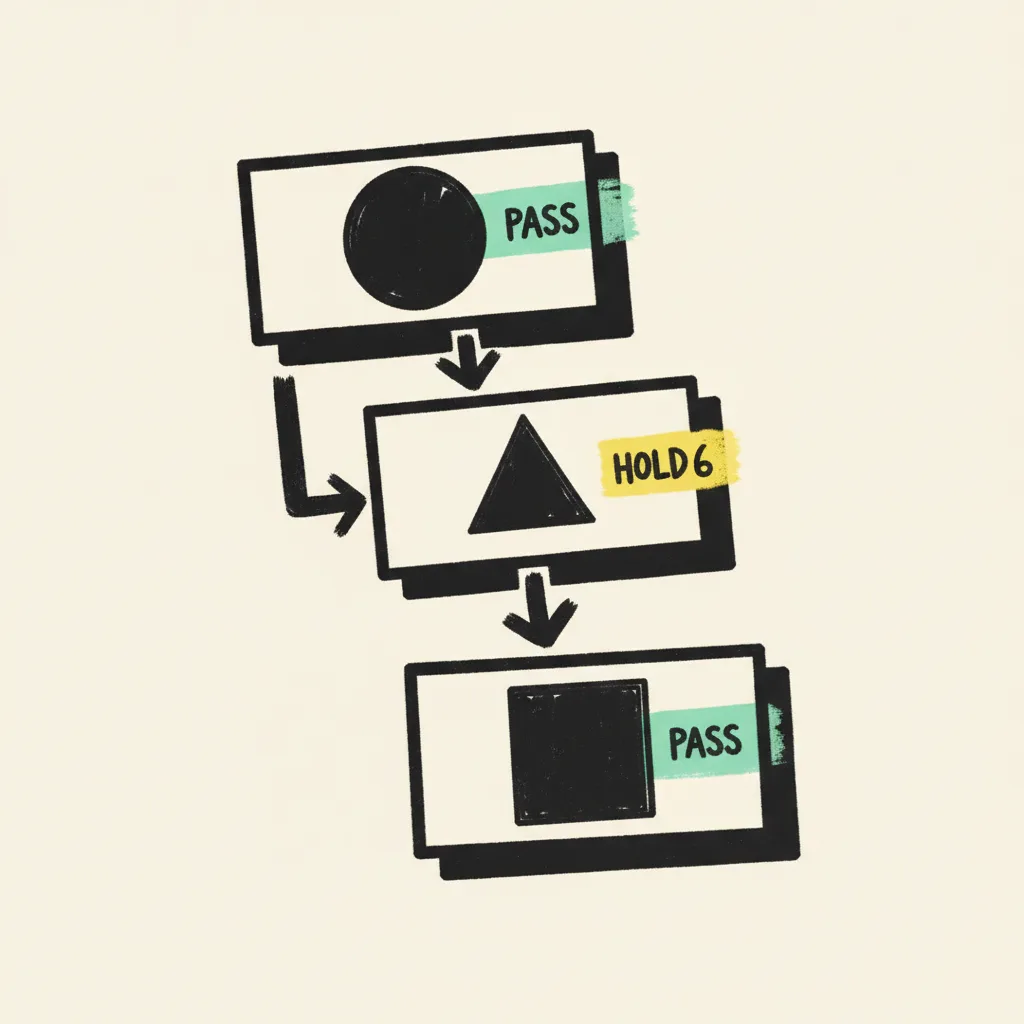
Build this as a four-line checklist in your review doc. The Thai reviewer answers pass or hold on each line, not freeform comments. Freeform comments are what blow out your timeline.
Who should do the Thai review
The creator should not review their own Thai. The creator wrote it, they are the single worst person to catch register drift. Ask them to send the Thai draft plus a plain English back-translation, and route the Thai itself to someone else.
Options, roughly in order of cost:
A junior Thai staffer on your team, with the four-pass checklist above, is usually enough for most SMB campaigns.
A trusted roster manager on your marketplace of choice, if the platform offers that service. On Mai Influence this is bundled into the account layer. On other platforms you will need to ask.
A paid native-reviewer retainer, usually billed per piece or per month. Typical SMB range in Bangkok in 2026 is 500 to 1,500 THB per piece reviewed, depending on turnaround and whether the reviewer also handles comment moderation after go-live. If you are shipping more than four creator pieces a month, retainer beats per-piece.
A dedicated agency review line, which is overkill for SMBs under 500,000 THB monthly creator spend. Skip until you cross that threshold.
If none of these are available on a given shoot, delay the post rather than push a Thai caption nobody on your side verified. The cost of a bad caption is always higher than the cost of a one-day delay. Always.
If your brand cannot read the version of the content customers actually see, you have not approved the campaign. You have approved the English translation of it.
Where in the timeline the review belongs
Front-load it. The Thai review happens on the draft caption and the draft voice-over, before the creator starts final edits. If you catch register in the first draft, the creator fixes it inside their normal revision round. If you catch it after final edits, you are asking for a new revision round and probably a new fee.
The practical sequence that works is: brief in English, creator sends concept in Thai plus English back-translation, Thai reviewer runs the four passes on the Thai, you run strategic review on the English, both greenlight before shoot. After shoot, subtitles and hashtags get a second Thai pass before publish. Nothing goes live without both signatures.
What this costs the campaign in time
Expect to add six to twelve hours of calendar time per piece for the Thai review layer, not twenty-four. Most of that is the reviewer waiting for the draft, not reviewing it. If you brief the reviewer at the same time as the creator and give them the shoot date in advance, you can usually fold the entire Thai review into the existing revision window.
The campaigns that blow out their timeline are the ones that treat the Thai pass as a surprise third round. Treat it as a built-in step, same as legal, and your calendar does not move. If your current workflow does not have a slot for it, add one before your next brief goes out.
For brand teams who want this layer handled rather than hired for, the roster-manager model is the lowest-friction option. Book a brand call and we will walk you through how our Thai review passes are structured on live campaigns.