Wrap reports from Bangkok creator campaigns in 2026
By Mai Influence
Most Bangkok creator briefs spell out the post, the rate, the revision rounds, and almost nothing about what lands in your inbox after the content goes live. The wrap report is the deliverable brands forget to specify, and it is the single artefact that decides whether you can repeat the campaign next quarter. If the brief does not name the report, you will get a WhatsApp screenshot of the post and a thank-you sticker. That is not a wrap report. That is a vibe.
A proper wrap report in 2026 has to do three jobs. It has to prove the post actually ran on the agreed surface, it has to surface the platform numbers your own dashboards cannot see, and it has to hand you the raw assets in a form you can repurpose without going back to the creator. Miss one of those three and the next brief with the same creator costs more than it should.
What the report has to contain
The minimum we ask for on our roster, on every paid placement, is a short list of items that should be non-negotiable on any Bangkok brief:
- Permalink to every post, story frame, Reel, or TikTok the brief paid for, including any cross-posts the creator added.
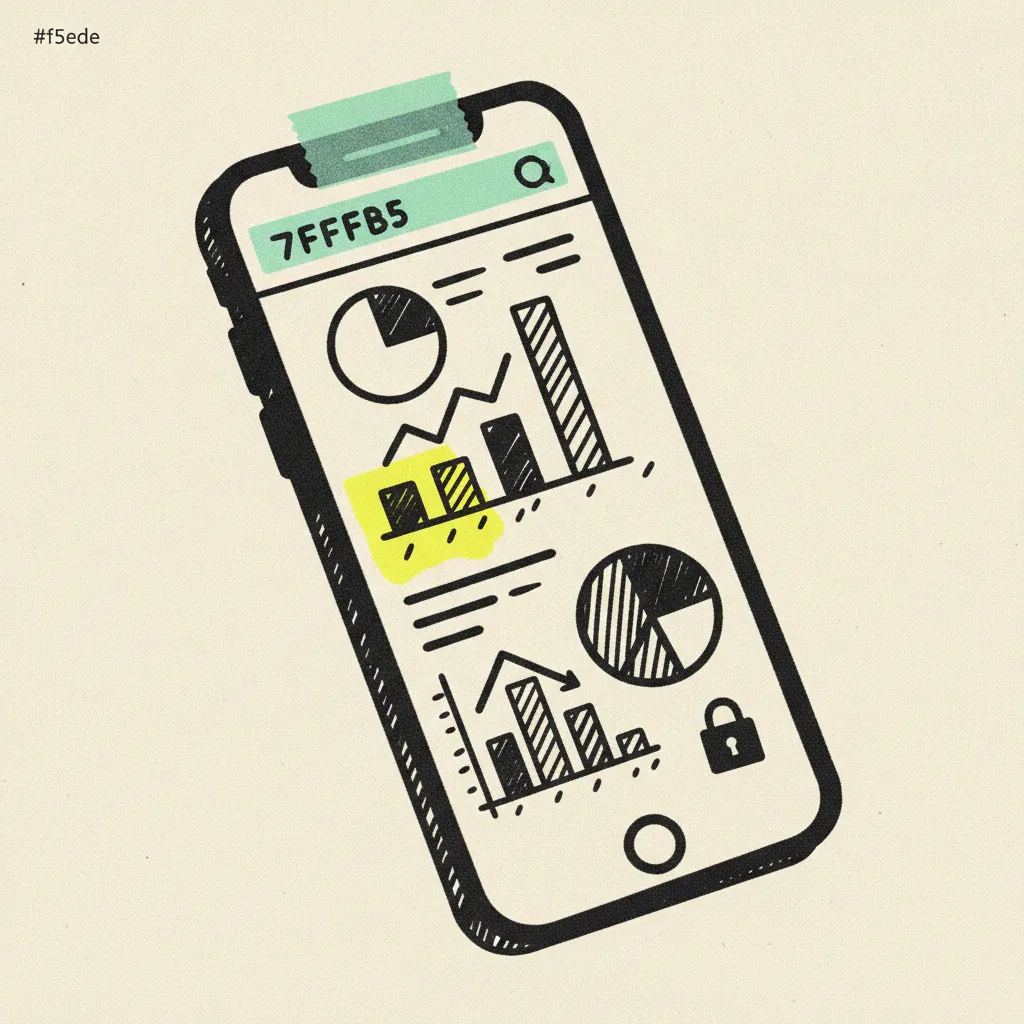
- Native-platform insights screenshots from inside the creator's account, dated and timestamped, showing impressions or views, reach, engaged accounts, saves, sends, and watch-through for video.
- Audience demographic snapshot for the post's reach: top three countries, top three cities, gender split, age bands. This is not the creator's overall audience, it is the audience the specific post hit.
- The final source files: vertical master at 9:16, any horizontal cutdown, plus the original raw clip if your brief paid for usage rights.
- Captions, hashtags, and disclosure copy as posted, in Thai and English where the post ran bilingual.
That bullet list is the whole report. Anything beyond it is a courtesy. Anything missing from it is a gap your media buyer pays for in the next cycle.
Why screenshots beat third-party scrapes
There is a tempting shortcut where the brand or the agency pulls public-facing numbers from a tool like Modash or HypeAuditor and calls that the wrap. It is faster and it looks tidy. It is also wrong on the numbers that matter. Saves, sends, and non-follower reach are only visible from inside the account. So is the actual play count on a TikTok versus the autoplay view count a scraper sees. For an 18,000 THB Reel from a Sukhumvit lifestyle creator, the difference between scraped views and native impressions runs 20% to 35% in our roster sample. You cannot benchmark next quarter's rate against a number that wide.
The fix is boring. Require the creator to send native screenshots at 48 hours, at 7 days, and at 28 days post-publish. The 48-hour number captures the initial algorithmic push. The 7-day number is what most posts settle on. The 28-day number catches the long tail, which on TikTok in Bangkok is still meaningful for evergreen formats like recipe explainers or product unboxings. Three timestamps, same template, no negotiation.
The lines briefs keep skipping
A handful of clauses are missing from almost every Bangkok creator brief we see on the platform, and they are the ones that turn a campaign post-mortem from a guessing game into a decision document.
- A named delivery date for the report, in calendar days from the last post going live. Seven calendar days is the standard we hold our roster to.
- A specified file-transfer route. Google Drive folder, WeTransfer link, or our own platform asset locker. Pick one in the brief, do not let the creator pick LINE for the final files.
- A clause stating the report is part of the deliverable, not a courtesy. No report, no final 30% payment release. We attach this to the escrow milestone on every brief over 30,000 THB.
- A short note on how the brand may use the report internally. This matters when the brand is a Singapore or Malaysia head office reporting up the chain on Bangkok spend, and the Thai creator did not sign anything that contemplated their numbers being shared with a regional CMO.
If any of those four lines are missing from your template, fix the template before you brief the next creator.
Numbers without screenshots are a vibe. Screenshots without timestamps are a guess. Both without raw assets are a hostage situation.
Tying the report to the next brief
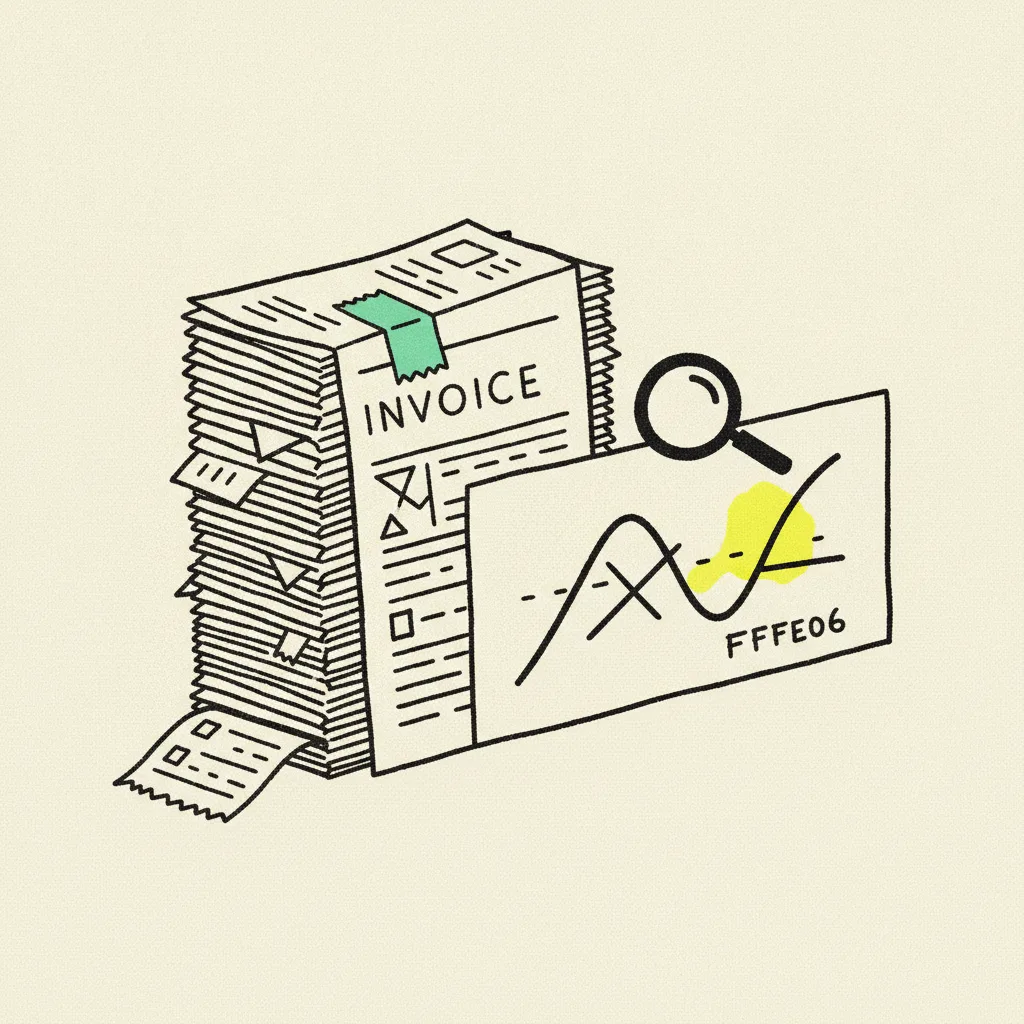
The wrap is not a closing document. It is the opening argument for the next campaign. The numbers from this round are the input for the next rate negotiation, the basis for the next tier decision, and the audit trail for whether whitelisting is worth turning on. We tag every wrap report from our platform back to the original brief so the second booking with the same creator starts from a real baseline, not a memory.
For SMBs running creator spend on a quarterly cadence, the discipline of demanding the same five items every time is what separates a programme from a series of one-off posts. The creators on our roster expect the request now, because we have asked enough of them. Build the same expectation into your own briefs and the wrap stops being the part of the campaign you forgot to plan for.
We built Mai Influence so the wrap is part of the contract, the escrow milestone, and the platform record, not a favour the creator owes you. If you are still chasing screenshots over LINE three weeks after a post went live, the brief was the problem.