How many Bangkok creators can share one brief in 2026
By Mai Influence
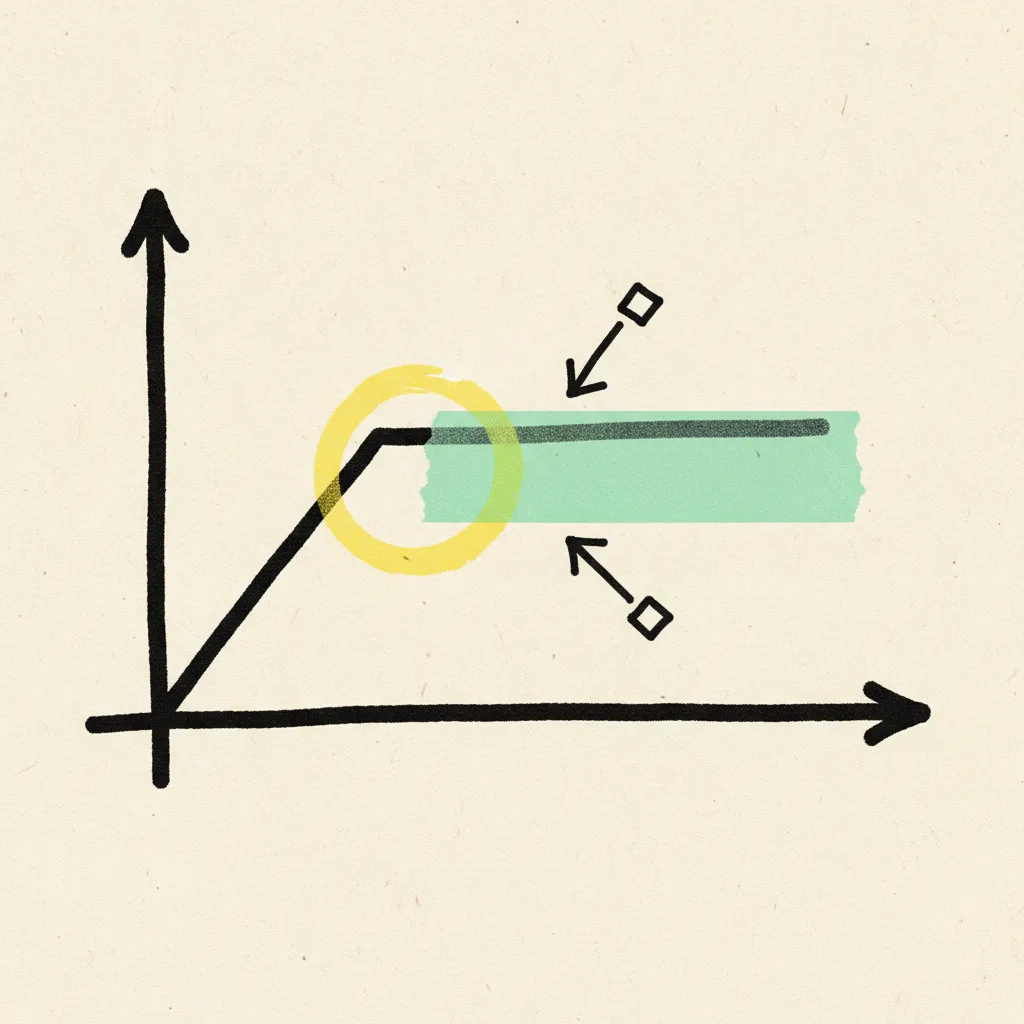
Every SMB in Bangkok that ships one working creator post asks the same next question. If one Reel from a 40k-follower creator moved product last week, what happens when we run five of them against the same brief this week? Nine? Fifteen? The honest answer is not "scale it", and it is not "one is enough". The plateau is real, it lands earlier than most brand marketers expect, and it changes shape depending on which follower tier you stack.
This post lays out where the diminishing returns start for a shared creator brief in Bangkok in 2026, tier by tier, and how to schedule the drops so the second and third creator do not simply cannibalise the first. If you are still deciding whether to book one creator or five, start with our rates guide and come back once the budget is set.
What "sharing a brief" actually means
A shared brief is one product, one core message, one set of mandatories, and multiple creators executing it in their own voice. It is not the same as whitelisting one creator's post as an ad, and it is not the same as running five unrelated influencer deals in a month. The core question is audience overlap. If two Bangkok food creators both live on Sukhumvit, both post from Roots or Roast, and both have 30k to 60k followers, roughly 18 to 30 percent of their audiences overlap. Post four of them in the same week and you are paying to hit the same 20,000 accounts three or four times over.
Feed algorithms do not save you from this. Instagram and TikTok both weight recency and creator affinity higher than brand-level frequency capping, which means a follower who saw creator one on Tuesday will very likely see creator two on Wednesday if both posts perform. That is fine for reach up to a point. Past that point, the fourth impression converts at a fraction of the first, and your effective cost per new reached account climbs sharply.
The follower-tier plateau, in numbers
Ranges from Mai Influence roster campaigns in the first half of 2026, cross-checked against post-campaign reach reports:
- Nano (1k to 10k): plateau lands around 6 to 8 creators on a single brief in a single week. Each nano hits 3,000 to 7,000 unique accounts; overlap between any two nanos is usually under 8 percent because their audiences are small and interest-clustered. Stacking is cheap and works.
- Micro (10k to 50k): plateau lands around 4 to 5 creators per week. Overlap between two micros in the same vertical (F&B, beauty, fitness) runs 15 to 25 percent. Number five stops adding meaningful new reach.
- Mid (50k to 200k): plateau lands around 2 to 3 creators per week. Overlap between mid-tier Bangkok creators in a single vertical often exceeds 30 percent. Booking four is usually wasted budget unless the verticals are genuinely different.
- Macro (200k+): plateau lands at 1 creator per week per vertical, sometimes two if the audiences are demonstrably different (a fashion macro and an F&B macro sharing a lifestyle brief). Two Bangkok fashion macros in the same seven days almost always compete for the same accounts.
If the plateau numbers are lower than your gut said, that is the point of writing them down. The overlap in Bangkok's creator audiences is higher than it looks because the city is small, the venue set is small, and the algorithm rewards clusters.
Cadence matters more than count
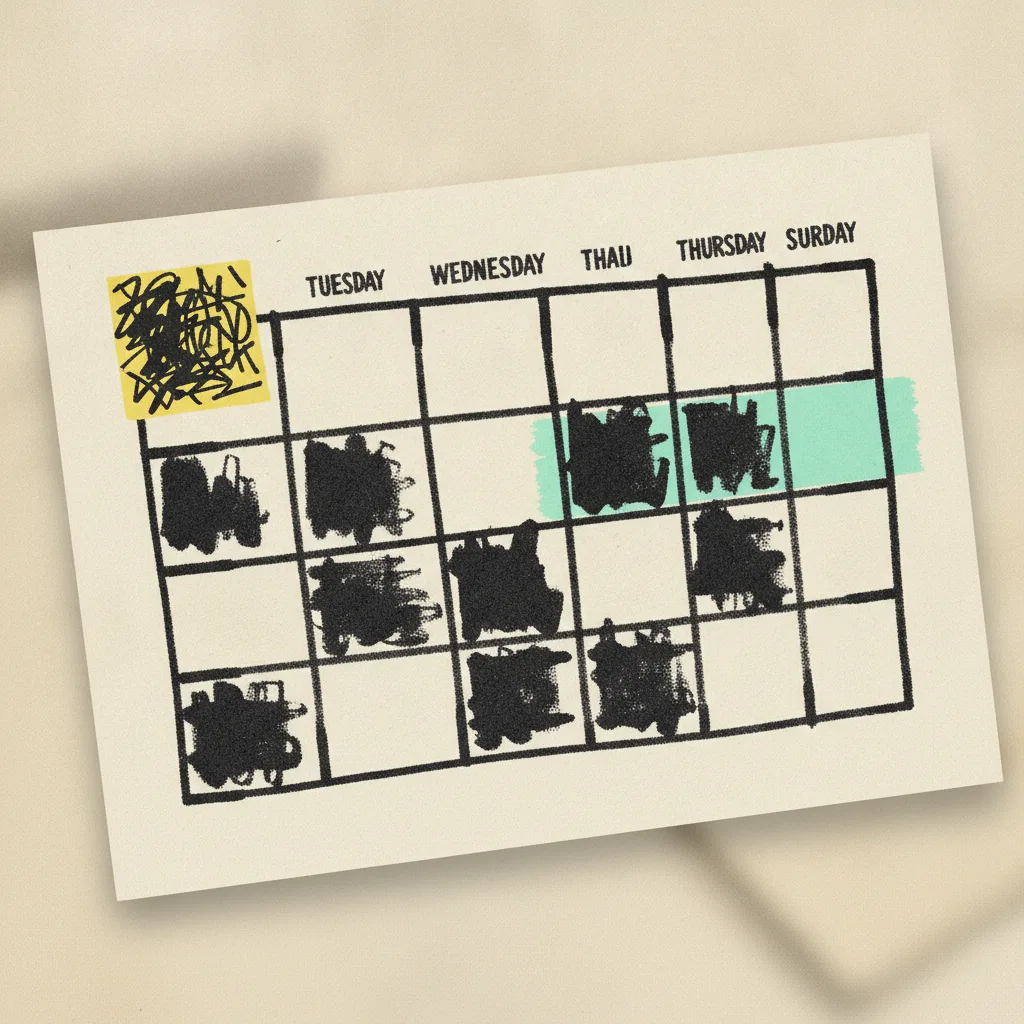
The plateau numbers above assume a compressed one-week window, which is the usual shape for a product drop, a 9.9 or 12.12 push, or a soft launch. Spread the same creator count across three weeks and the overlap penalty drops sharply. A brief that plateaus at three mid-tier creators in one week comfortably absorbs five if you space them across 18 to 21 days. Weekly instead of daily.
The reason is memory decay on the follower side. Instagram and TikTok users forget a specific brand mention within 6 to 10 days unless the creative angle is repeated identically. Space the drops out and the same overlap is no longer a wasted impression, it is a reinforcement. Compress them and the same overlap is a duplicate.
The scheduling rule most Bangkok brands land on after a couple of campaigns: no two creators in the same tier and same vertical post within 72 hours of each other. Nanos and micros can share a week; two mids should be a week apart; two macros should be two weeks apart minimum. If your Q4 calendar looks like a mega-sale sprint, that spacing is what protects your ROAS.
Where more creators still earns its keep
Stacking is not always waste. Two cases where the plateau does not apply:
- Different content pillars, same brief. Book one food creator, one fitness creator, and one home-living creator against the same oat-milk brand launch and their audiences barely overlap. You are stacking verticals, not creators.
- Different districts. A brief spread across an Onnut micro, a Thonglor micro, and an Ari micro can add fresh reach even at 30k follower counts because the physical creator communities in Bangkok are surprisingly local. Their followers cluster around the same cafes and gyms they film in.
Both of these break the vertical-overlap rule and buy you real incremental reach. The failure mode is thinking that "different creators" alone is enough, when in practice most brands book three creators from the same vertical because that is the vertical of the product.
The right question is not how many creators to book. It is how many non-overlapping audiences you can reach without paying twice for the same person.
The honest case for booking fewer than you think
Most Bangkok SMBs launching a product this year would get better return on 3 micros spaced over two weeks than 6 micros in one, and better return on 1 mid plus 2 nanos than on 3 mids. The plateau is not a scoreboard, it is a spending ceiling. Past it, every extra creator is boost budget that would have earned more sitting in partnership ads or spark ads against the winning post.
We built the Mai Influence marketplace so brands could compare creator offers side by side and pick the smallest set that covers the audience, not the biggest set the budget allows. If the second creator's audience overlaps 40 percent with the first, the platform surfaces it before you book. Fewer creators, further apart, running the brief in their own voice, is nearly always the better answer than the same budget spread across a crowded week.