Spark ads on Bangkok creator TikToks in 2026
By Mai Influence
Most Bangkok brands we onboard have run boosted posts on Meta and assume TikTok works the same way. It does not. Whitelisting on Instagram gives you full ad account control of a creator's identity for the campaign window. Spark Ads on TikTok is closer to a lease, with a code, a fixed duration, and a clear off switch on the creator's side. If your team is treating the two the same in the brief, you are already misbudgeting the amplification line.
The mechanic matters because it changes who owns the ad, who can pause it, and what happens on day 8, day 61, or day 366 of the campaign. This post walks through how Spark Ads on Bangkok creator TikToks actually work in 2026, what to write in the brief, and the fees local creators price against that we still see brands miss.
What a Spark code actually is
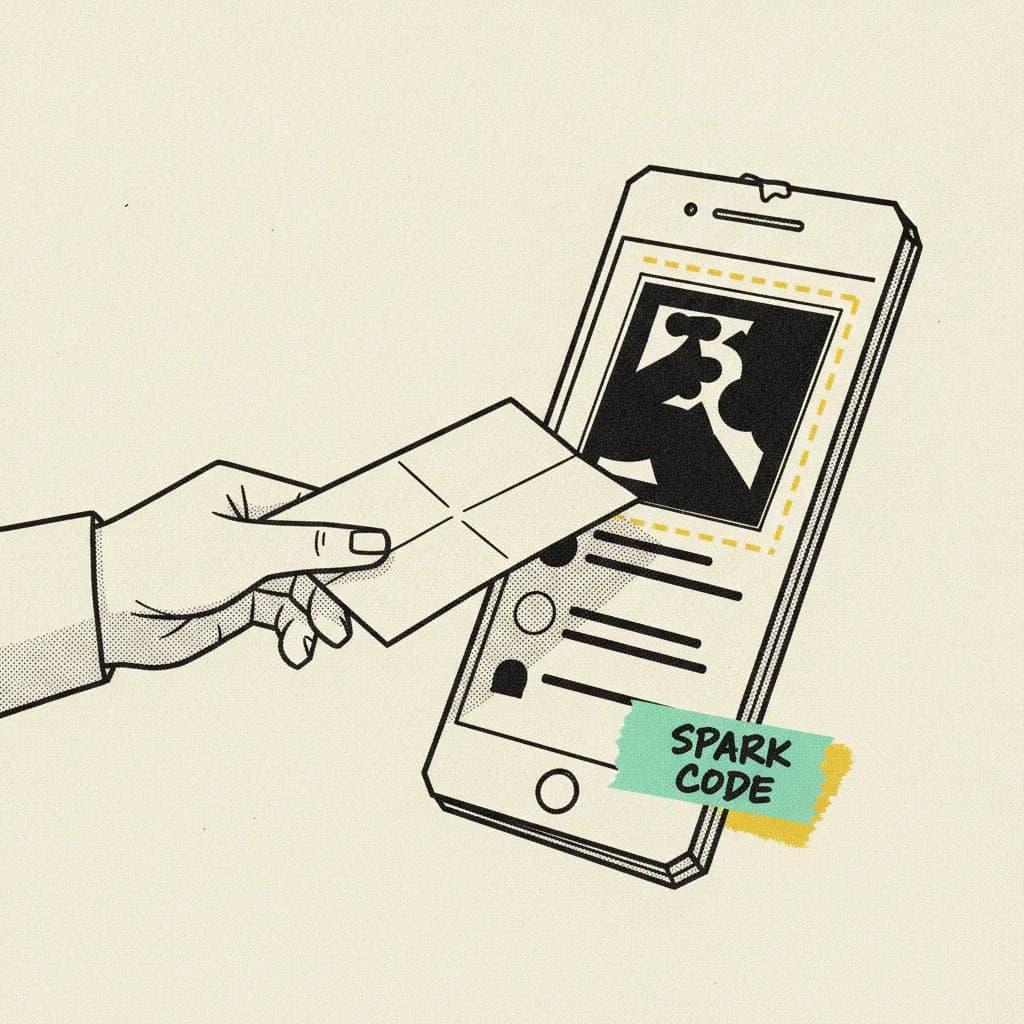
A Spark code is a one-off string the creator generates inside their TikTok app under Settings, Creator tools, Ad settings, Video authorisation. They pick the specific video, choose a duration (7, 30, 60, or 365 days), and the code that pops out is what you paste into TikTok Ads Manager to run the post as an ad from their handle. The ad still shows their username, their comments, and their follower count, but the spend, targeting, and reporting sit inside your ad account.
The creator can revoke a Spark code at any time from the same menu. If they do, your active ad stops delivering that afternoon. This is a real risk if you have a bad wrap conversation with a creator mid-flight, and it is the main reason we insist on the wording in the brief covered further down.
You do not need a TikTok Creator Marketplace agreement to run Spark Ads. The direct video authorisation flow works for any creator with a public account. TikTok Creator Marketplace adds a second path called Branded Content, useful for larger buys, but the Spark code path is what most Bangkok SMB campaigns actually use in 2026.
The 7 vs 365 day trap
The duration on the Spark code is the single most misunderstood setting in the whole flow. If your media plan runs three weeks and the creator issues a 7-day code because that was the default screen they landed on, your ad stops mid-campaign and nobody notices until the pacing report on Monday.
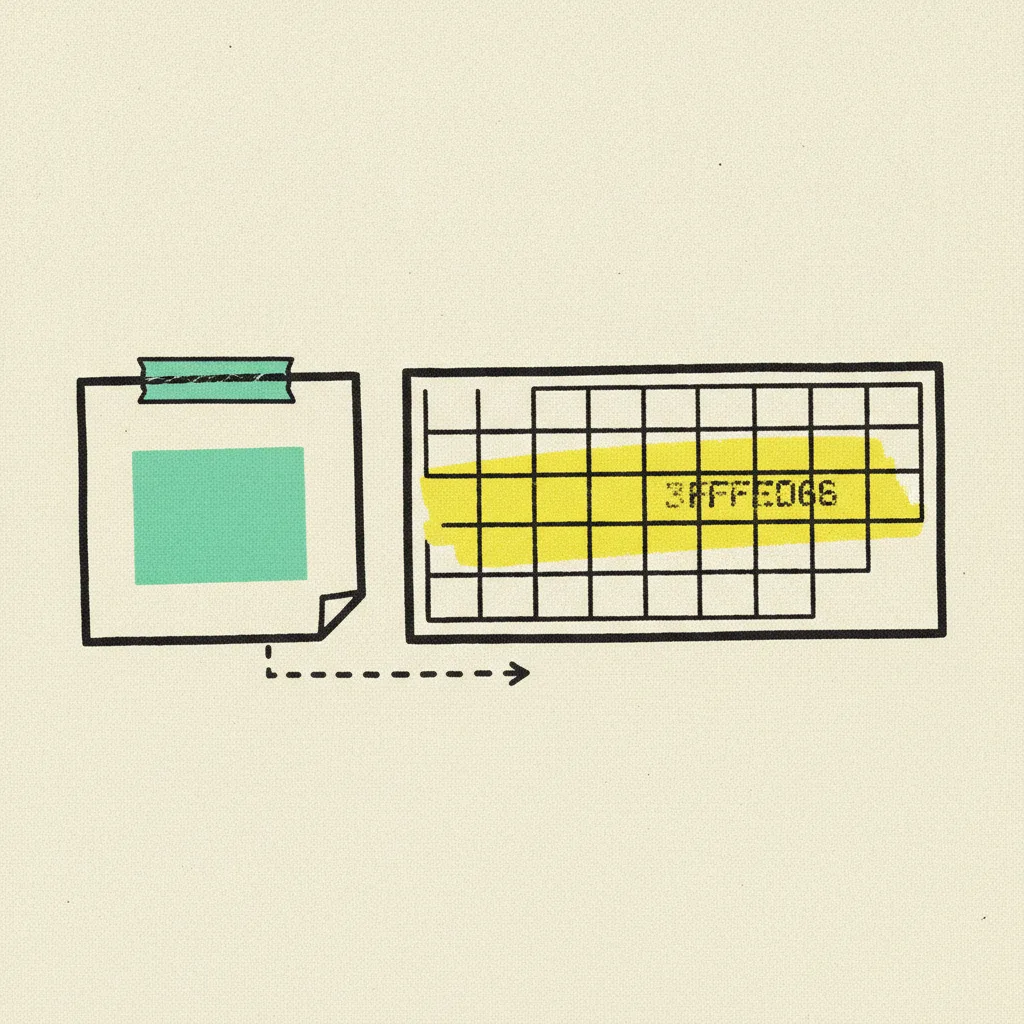
Ask for 365 days as the default in every Bangkok brief. It costs the creator nothing extra to issue a long code, it removes a coordination headache for your paid team, and it gives you the option to relight the post later without a second permission dance. If a creator refuses 365 and insists on 60, treat that as a signal about their comfort with the piece and negotiate a higher usage fee for a 90 day extension rather than trying to squeeze inside the shorter window.
Do not confuse the Spark code duration with the usage rights window in your contract. The Spark code is the technical enabler. The contract is what makes the amplification lawful. If your usage rights say 90 days and your Spark code says 365, you are still bound by 90 in writing. Match the two on paper.
Fees Bangkok creators price against amplification
Rates for the organic post are one line. Amplification is a separate line, and Bangkok creators in 2026 price it in one of three ways:
- Flat usage fee for the Spark permission window, typically 30 to 60 per cent of the base content fee for 90 days, scaling up for 365. A 25,000 THB Reel-and-carousel deal often carries a 10,000 to 15,000 THB Spark permission on top for the year.
- Percentage of media spend, more common with talent-managed creators, usually 10 to 20 per cent of the paid budget with a floor. This makes finance nervous because it is uncapped, so agree a ceiling in the brief.
- Rolled into the base, only offered by nano tier or newer creators trying to win the brief. Do not talk them out of it, but write in the contract that the base already includes 365 day Spark rights so there is no argument in month six.
If you are running Spark Ads across three creators on the same brief, expect one of them to price differently and normalise the framing before you sign. Wrap reports get ugly when one creator has 365 day rights and the others have 60.
Brief wording that avoids the mid-flight pause
The section of the brief that governs Spark Ads should say four things in plain English. Which video, what duration, what happens if the creator revokes, and who pays for a replacement. We have seen 40,000 THB campaigns die because the creator got a nasty comment on day 12, panicked, and revoked the code with no fallback wording in place.
Our default clause on Mai Influence briefs reads something like this. The creator authorises a 365 day Spark code for the delivered video on the day the post goes live. Revocation before day 90 without documented brand breach requires the creator to refund the Spark permission fee pro rata. Revocation after day 90 is at the creator's discretion with 48 hours written notice. That single paragraph resolves 90 per cent of the disputes we used to see on this line.
Reporting quirks worth knowing
Spark Ads report inside TikTok Ads Manager under the campaign you built, not under the organic post. The organic view count on the creator's video will include the paid impressions, so if you are reading their profile to gauge organic pickup you have to subtract the ad delivery. Most Bangkok agencies still get this wrong in wrap decks, showing a 400,000 view number as if it were earned reach.
The comments and shares from the boosted delivery stay on the creator's post permanently, even after your Spark window closes. This is the real long-tail benefit of Spark Ads over a straight brand-handle upload. A cold audience of Bangkok office workers who saw the ad in October is still leaving comments on the creator's video in February, and your wrap report can include that trailing engagement as bonus reach if you know to look.
TikTok also does not let you edit the caption on a Spark Ad the way you can on a brand-handle upload. Whatever the creator wrote at post time is the caption the ad runs. If your legal team needs a disclosure like #ad or the Thai equivalent เนื้อหาโฆษณา added later, the creator has to edit the original post, which then triggers a small re-review window on TikTok's side.
When to skip Spark Ads and just upload to your brand handle
Spark Ads are the right default when the creative feels native to the creator's feed, when their audience overlaps meaningfully with your target, and when their profile is somewhere you would be happy sending a colder viewer for research. None of that is automatic. If your creator has a stale bio, inactive comment thread, or a follower base that mostly lives outside Thailand, the Spark path is amplifying a weak landing.
In those cases, pay for a content buyout and run the video from your own brand handle in TikTok Ads Manager. You lose the social proof of the creator's follower count in the ad frame, and you carry the caption yourself, but you also skip the code coordination, the revocation risk, and the extra reporting subtraction. For a Bangkok SMB running its first paid TikTok flight, that simpler path is often the honest recommendation, even if it feels like giving up on the influencer optics.
Spark Ads are a lever, not a philosophy. Use them when the creator's handle earns the paid seat. Otherwise, pay for the content, upload it clean, and put your budget behind the version you fully control.