Partnership Ads on Bangkok creator Instagram in 2026
By Mai Influence
Yesterday we covered how Spark Ads on Bangkok creator TikToks actually work in 2026. The Meta equivalent is called Partnership Ads, and Bangkok brands keep briefing the two as if they behave the same. They do not. Spark is a lease with a code the creator pastes over. Partnership Ads is a permission the creator grants inside Instagram once, which then lets your ad account run any of their posts or Reels tagged with your brand as an ad from their handle, for as long as the toggle stays on.
The mechanic sits at the intersection of the branded content tag, the Meta Business Suite partnership permission, and your Ads Manager. Get any of the three wrong and the ad either will not run, will run from the wrong handle, or will run without the disclosure your legal team asked for. This post walks through the flow for a Bangkok SMB in 2026, what to write in the brief, and the fees local talent price against that we still see brands miss.
What the invite actually does
There are two settings the creator has to enable, and they are not in the same menu. The first is inside their Instagram profile under Settings, Business tools, Branded content, Approved brand partners. The creator adds your Instagram handle to that list, which lets them tag your brand on any post or Reel without a per-piece approval. The second is inside Meta Business Suite under Partnerships, where they accept your ad account's permission request to run their content as ads. The first setting governs organic tagging. The second governs paid amplification.
Bangkok creators in 2026 mostly know how to do the first step because it looks like a normal tag. The second step still trips them up because the notification lands inside Business Suite, not the Instagram app, and mid-tier creators without a business manager set up have to log into a web browser to click accept. Build 24 to 48 hours of buffer into the brief for this handshake. Do not assume it is done just because the tag went live.
How it differs from Spark Ads
Once the toggle is on, you can run any qualifying post from that creator as an ad without asking them again for the specific piece. That is the biggest single difference from Spark Ads, which require a per-video code every time. If a Bangkok F&B brand runs three Reels a month with the same creator, Partnership Ads collapse three permission dances into one, which is why they scale better for always-on programmes than for one-shot launches.
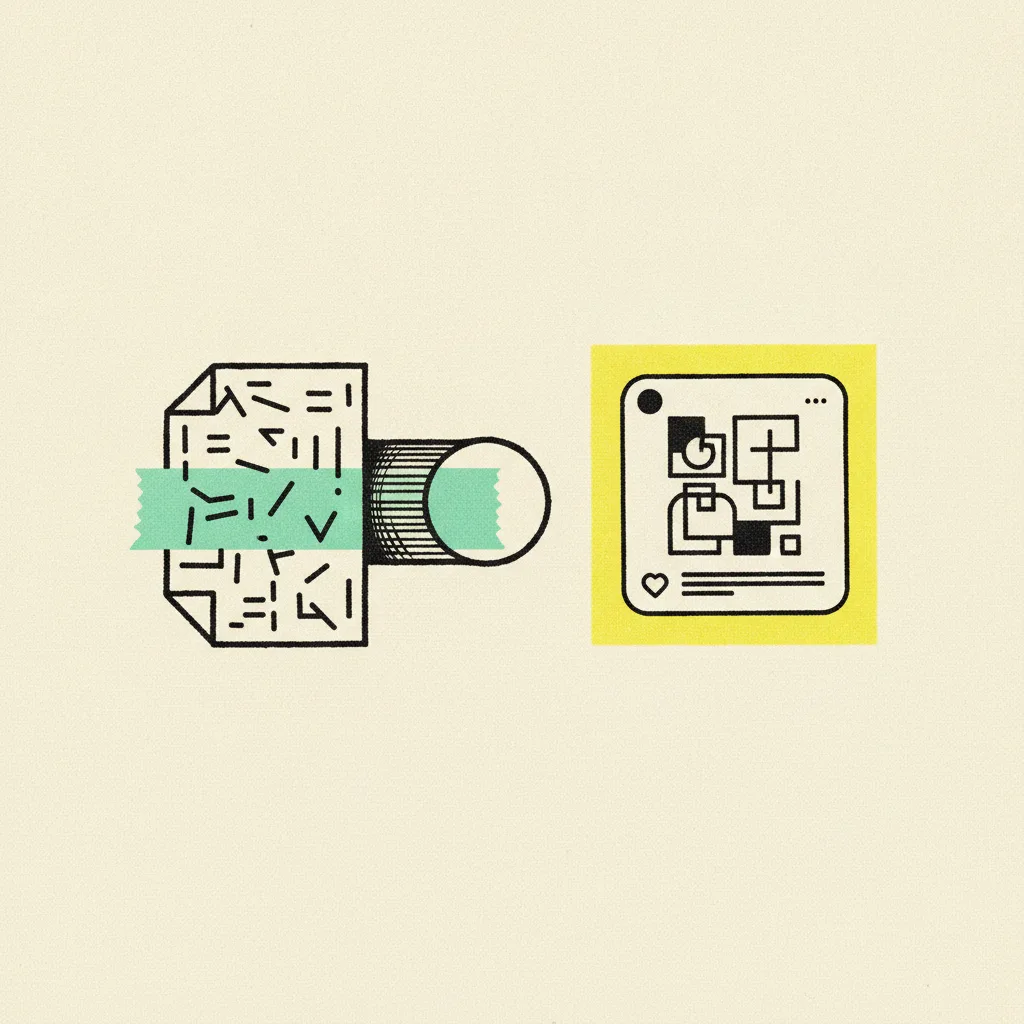
The creator can revoke the permission at any time from the same Business Suite screen. Unlike a Spark code, they cannot revoke a single post while leaving others live. It is all on, or all off. If the working relationship goes sideways, you lose amplification on every post you were running from that handle, not just the one they are unhappy with. Price the risk accordingly in the brief.
The ad still shows their username, follower count, and comment thread. Comments and shares from the boosted delivery stay on their post permanently after the ad window closes, same as Spark. This is the reason we still prefer Partnership Ads over a straight brand-handle upload for content that reads native, even with the extra setup friction.
Fees Bangkok creators price against the permission
Rates for the organic Reel or post are one line. The Partnership Ads permission is a separate line, and Bangkok creators in 2026 price it in one of three ways, similar to but not identical to Spark:
- Flat monthly permission fee for as long as the toggle stays on, typically 15 to 25 per cent of the base content fee per month with a three month minimum. A 30,000 THB Reel deal often carries a 5,000 to 7,500 THB monthly permission on top.
- Percentage of media spend, 10 to 20 per cent of the paid budget with a floor around 5,000 THB per month. Talent-managed creators default to this shape and usually refuse to cap it, so negotiate the ceiling in writing.
- Bought outright for the year, most common with nano and micro creators trying to win a repeat-client brief. Ask for 12 months at a flat number and get it into the contract before the first post goes live.
We still see wrap decks where the paid team assumed the permission was rolled into the base and the creator assumed it was billed separately, and the argument surfaces on invoice day. The rates guide breaks down the base content lines by follower tier if you need the underlying numbers to price the permission against.
Brief wording that survives a wobble
The brief clause governing Partnership Ads should cover four things in plain English. Which of your ad accounts is authorised, what happens if the creator revokes, how long the permission runs, and who owns disputes about disclosure wording. We have seen 60,000 THB monthly programmes go dark for a week because a creator revoked in a huff on a Friday afternoon with no fallback clause.
Our default clause on Mai Influence briefs reads something like this. The creator grants Partnership Ads permission to the specified brand ad account for the contract term. Revocation before the end of a paid month without documented brand breach requires the creator to refund the monthly permission fee pro rata. Revocation with cause requires 72 hours written notice to the brand contact of record. Disclosure wording defaults to the platform's automatic Paid partnership with tag unless the brief specifies additional Thai copy such as โฆษณา in the caption.
That paragraph, plus a signed usage rights window, resolves most of the disputes we used to see on the amplification line. Write it into the master service agreement, not the per-brief scope, so it survives creator swaps.
Reporting quirks that trip up wrap decks
Partnership Ads report inside Meta Ads Manager under the campaign you built, and the organic Reel plays on the creator's profile include the paid impressions. Bangkok agencies keep presenting the profile view count as earned reach in the wrap deck, which double counts the media you already paid for. The honest wrap subtracts paid delivery from the organic total and reports both lines separately.

Meta does not let you edit the caption on a Partnership Ad the way you can on a brand-handle upload. Whatever the creator wrote at post time is what runs as the ad copy. If a compliance ask comes in mid-flight, the creator has to edit the original post, which then triggers a short re-review inside Ads Manager and can pause delivery for a few hours. Build that into the approval SLA column in the brief.
One quiet reporting benefit worth naming. Partnership Ads pull the creator's follower demographics into the ad breakdown, so you can see whether the audience Meta actually served the ad to matches the audience the creator claims in their media kit. If the two diverge on the wrap, that is real signal about who the creator's paid reach reaches, and it should feed into whether you rebook them next quarter.
When to skip Partnership Ads and upload from the brand handle
The case for Partnership Ads is strongest when the creator's feed is a place a cold viewer would happily land, when their audience overlaps meaningfully with your Bangkok target, and when the always-on shape of the deal justifies the setup overhead. None of that is automatic. If the creator has a sparse feed, a stale bio, or a follower base that mostly sits outside Thailand, the permission is amplifying a weak landing.
In those cases, buy the content outright and run the Reel from your own brand handle in Meta Ads Manager. You lose the social proof of their follower count in the ad frame, and you carry the caption and comments yourself, but you skip the permission dance, the revocation risk, and the reporting subtraction. For a Bangkok SMB running its first paid Meta flight with a creator, the clean upload is often the honest recommendation, even when it feels like giving up the influencer optics.
Partnership Ads are a lever, not a philosophy. Use them when the creator's handle earns the paid seat and the deal is long enough for the setup to pay back. Otherwise pay for the content, upload it clean, and put the media budget behind the version you fully control.