The 3-round revision cap for Bangkok creator briefs in 2026
By Mai Influence
Every stalled Bangkok creator campaign we see has the same fingerprint. The brief goes out, the first cut lands roughly on time, and then something breaks in round three or four. The brand starts sending Slack screenshots with red arrows. The creator goes quiet on LINE. The launch date slides a week, then two. By the time the post goes live the sale window is half over.
The fix is not better feedback. The fix is capping the number of feedback rounds before the campaign starts, and writing the cap into the brief. Three rounds is the working number for Bangkok in 2026, and here is how to make it hold.
Why round four is the graveyard
Bangkok creators price their fee against an assumed two to three rounds of revisions. That is the industry default for micro and macro tiers on Instagram, TikTok, and YouTube in Thailand. When a brand pushes into round four, one of three things happens. The creator eats the extra work and remembers you as a difficult client. The creator invoices a revision fee mid-campaign and the finance team panics. Or the creator ships whatever is in round four and disengages, which is how you end up with a technically-approved post that underperforms.
None of these outcomes are the creator being unprofessional. They are the natural result of a brief that never defined 'done'.

What each round should actually cover
If you cap at three, each round needs a defined purpose. Otherwise you burn round one on 'vibes' and arrive at round three with structural problems.
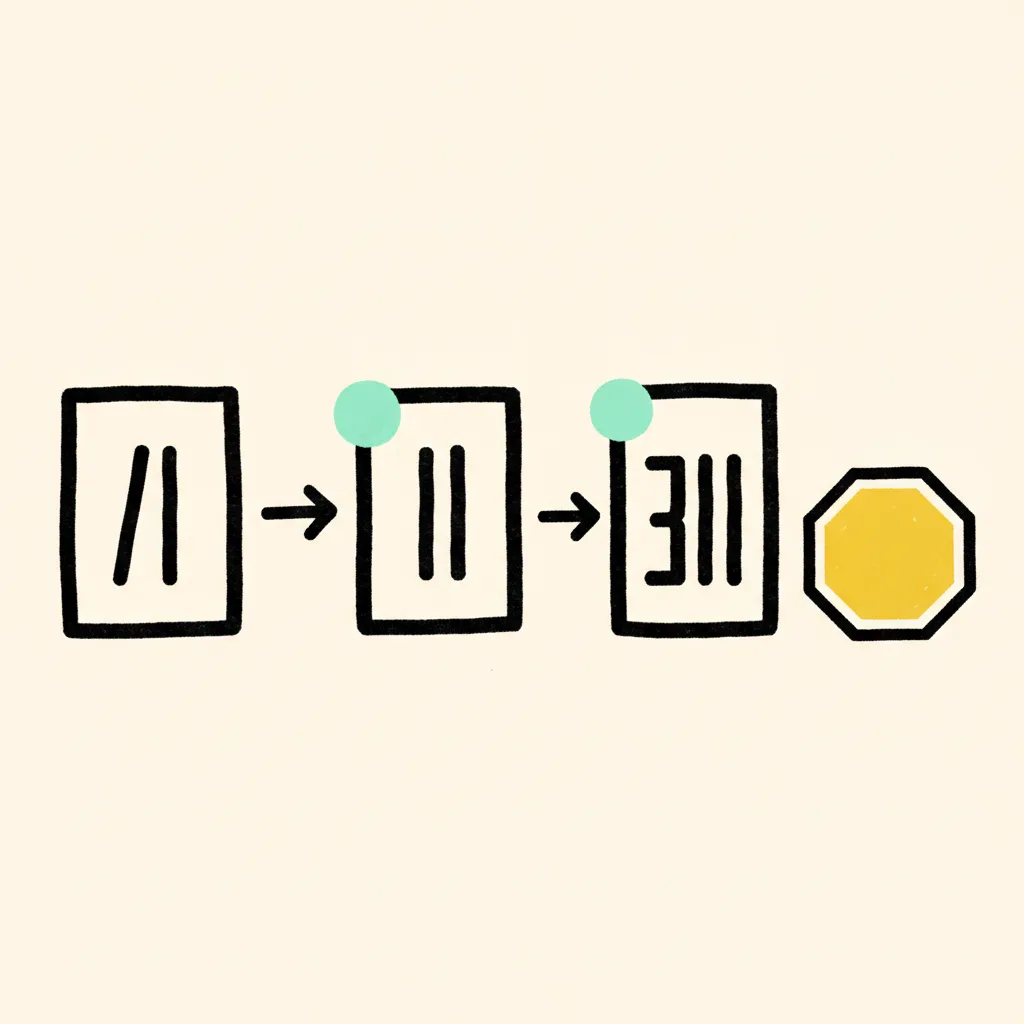
- Round one is structure. Hook, pacing, product placement, CTA position. You are approving the shape of the deliverable, not the wording. Send structural notes only. If the hook lands and the product shows up at the right beat, this round is a pass.
- Round two is copy and captions. Now you fix the on-screen text, the caption, the hashtags, the disclosure line. This is the round where legal and brand-voice notes go in. Not before.
- Round three is polish. Colour grade, audio mix, spelling on the end card, one final compliance pass. If you are still moving scenes around in round three, you skipped a step in round one.
Anything that surfaces after round three is either a scope change (pay for a new deliverable) or a launch-blocker so serious it needs a conversation, not a comment thread.
How to write the cap into the brief
Two lines in the deliverables section is enough. Something like: 'Three revision rounds included. Round one is structural, round two is copy, round three is polish. Additional rounds billable at 15 percent of the base fee per round.' The 15 percent figure is the going rate we see on Mai Influence contracts in 2026, and it exists mostly as a deterrent. The point is not to collect the fee. The point is to make round four a decision, not a drift.
The other line worth adding: 'Feedback consolidated per round. One document, one voice, within 48 hours of draft delivery.' This kills the second failure mode, which is three different people at the brand sending contradictory notes through three different channels over five days.
A revision cap only works if the brief it protects is tight enough to defend. Loose brief, capped rounds, angry creator.
The consolidator role nobody assigns
Somebody on the brand side needs to own the feedback thread. Not the founder, not the intern, not the agency middleman by default. One person who collects notes from marketing, legal, product, and leadership, resolves the contradictions internally, and sends the creator a single consolidated document per round.
Without this role, round two arrives with 'the CEO wants a different opening' after the creator already re-shot the opening in round one based on marketing's note. That is not a creator problem. That is an internal alignment problem you are outsourcing to the creator, and it is the fastest way to blow through three rounds without moving the work forward.
When to break your own cap
There are two situations where you should absolutely go to round four without renegotiating. A platform-side change (Meta updates disclosure rules mid-campaign, TikTok Shop tweaks affiliate tags) is not the creator's fault, and forcing them to eat it will cost you the next collaboration. A brand-side factual error the creator could not have caught (product name change, price adjustment, launch date shift) is your bill to pay, and paying the revision fee cheerfully is what keeps top-tier Bangkok creators taking your briefs first.
Beyond those two, hold the cap. Every campaign we see ship on time in Bangkok has one thing in common: somebody said 'this is round three, we go live with this' and meant it.
If you want to pressure-test a brief against these rules before you send it out, book a brand call and we will walk through the deliverables section with you. Fifteen minutes usually catches the round-four traps before they cost you the launch window.