Product sample logistics for Bangkok creators, 2026
By Mai Influence
Sending product to a Bangkok creator sounds like the cheap part of a campaign. It is not. Between courier fees, breakage, replacements, customs on imported goods, and the odd wrong-address redelivery, sample logistics quietly eat 8 to 15 percent of a small brief budget. Below is what the numbers actually look like in 2026, and how to keep the line item honest.
Domestic courier rates in THB, Bangkok to Bangkok
Same-day motorbike inside Bangkok runs 60 to 120 THB per parcel through Grab, Lalamove, or Robinhood, depending on distance and box size. Standard next-day through Kerry, Flash, or J&T sits at 40 to 55 THB for a parcel under 1 kg, 65 to 90 THB for 2 to 5 kg. Cash-on-delivery adds roughly 20 THB and a small percentage. Provincial delivery outside Bangkok is 55 to 110 THB for the same weight tiers, two to three days.
A useful rule for briefs where you seed five to ten creators at once: budget 100 THB per creator for domestic courier, all-in. That covers the send, one redelivery attempt, and a small margin for a wrong condo tower on the first try. This lines up with what we see teams book alongside batch shoots with Bangkok creators, where a single studio day replaces five separate seeds.
The address problem is bigger than the courier fee
Bangkok addresses break couriers in ways brands from Singapore or KL do not expect. Condo names get spelled three ways in Thai and English. Building numbers and moo numbers get confused. Creators who moved recently often keep their old address on their media kit. The direct cost of a failed delivery is another 40 to 100 THB, but the real cost is the two-day slip on your posting schedule.
Two things fix most of it. First, confirm the shipping address in writing the same day you confirm the brief, and include the closest MRT or BTS station in the address block as a sanity check. Second, use LINE for the courier photo confirmation, not email. Creators respond to LINE within minutes and email within days, a pattern we covered in DMs vs LINE vs email. A confirmed photo of the parcel at the door ends the dispute before it starts.
Breakage and replacement policy
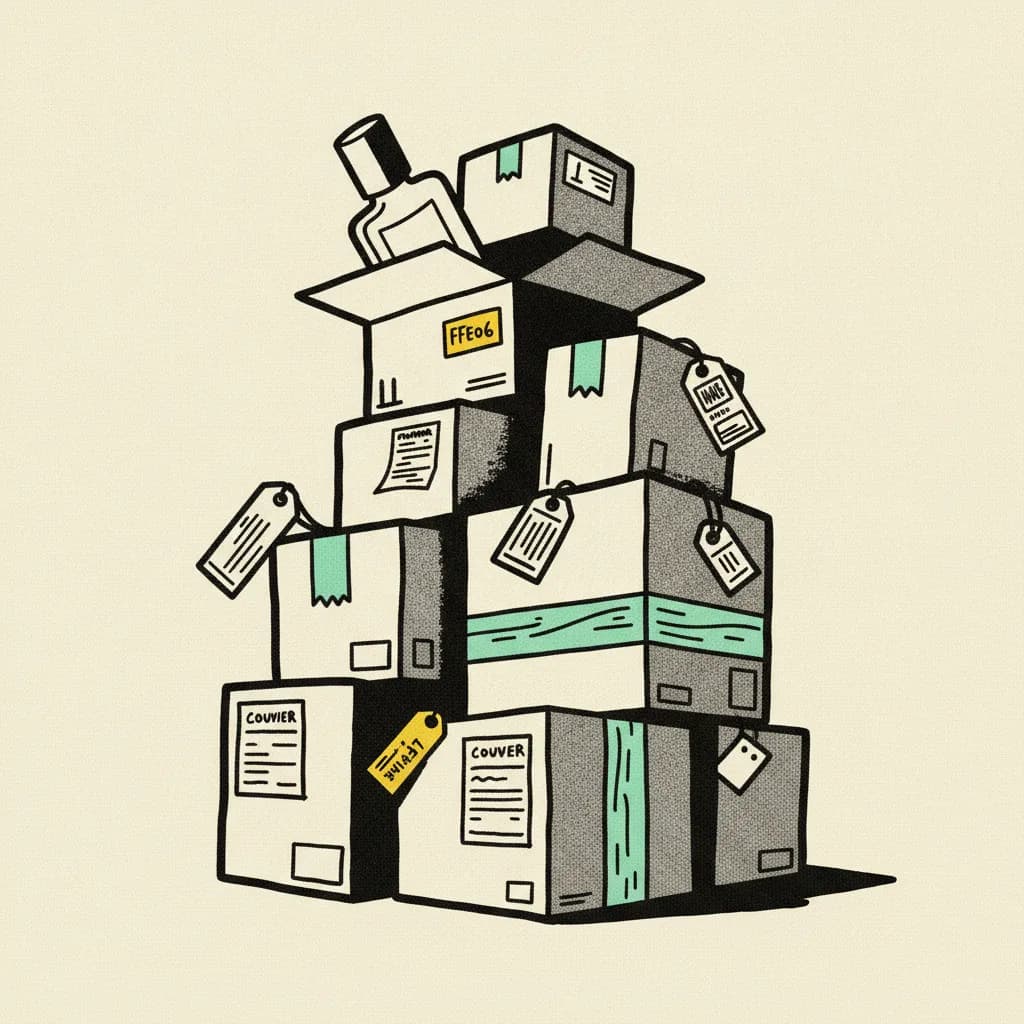
Assume 3 to 5 percent of glass or liquid product will break in transit inside Thailand. Slightly higher for provincial delivery, higher still if you use the cheapest courier tier without a fragile sticker. Budget one replacement unit for every twenty units shipped and you will land close to break-even.
For briefs where the product is the hero of the shot, say a skincare bottle or a food jar, ship two units, not one. The second unit protects against breakage, gives the creator a backup for a second take, and reduces the reshoot request rate by roughly a third from what we see in wrap reports. This is why the honest cost line on a seeding brief includes the second unit, not just the courier fee. See product seeding vs paid posts for how seeding budgets should be framed against paid alternatives.
Customs on imported product, the awkward part
Imported goods sent into Thailand for creator sampling get treated as commercial imports the moment the declared value crosses 1,500 THB per shipment. Below that threshold, most parcels clear without duty. Above it, expect import duty plus 7 percent VAT on the CIF value, and the creator may be asked to pay on delivery if you did not prepay through the courier's DDP option.
Three practical moves keep this clean:
- Split shipments so declared value per parcel stays under the de minimis threshold, when the campaign timing allows.
- Use DDP (delivered duty paid) via DHL, FedEx, or UPS for anything above 5,000 THB per parcel. The creator should never be the one paying customs.
- For beauty, supplements, or food, check the FDA registration status before shipping. Unregistered cosmetics can be held at the border regardless of value, and no courier will tell you this until the parcel is already stuck.
Returns, unused product, and the ask
Do not ask for the product back. The courier round trip costs more than the unit for most consumer goods under 2,000 THB, and it feels petty to the creator. Two better options: allow the creator to keep the product as part of the deal, or ask them to pass it on to a follower via a comment giveaway that also adds a small engagement lift to the post. The second option is a soft add-on you can negotiate into the brief without moving the headline fee.
If the product is genuinely expensive, say a 15,000 THB gadget or a fashion piece, structure it as a loan up front with a signed acknowledgement, and pick it up with the same courier within three days of the post going live. Anything longer and the piece effectively becomes a gift, priced as such.
What a clean sample-logistics line item looks like
For a ten-creator seeding brief in Bangkok with domestic product, the honest budget is roughly:
- Courier: 10 x 100 THB, 1,000 THB.
- Second unit for the hero shot: 10 x wholesale unit cost.
- Breakage buffer: 1 replacement unit plus 100 THB courier.
- Packaging that survives a motorbike top-box: 15 to 30 THB per parcel, 150 to 300 THB total.
Total sample-side spend before creator fees lands around 1,500 THB plus 11 units of product for a ten-creator brief. Not free, not scary, just a real number that belongs in the brief spreadsheet next to the fee column and the boost budget line.
Sampling is a supply-chain problem dressed as a marketing problem. Cost it that way and the campaign math stops surprising you.
The Mai Influence angle
Every brief on the platform has a sampling field. Brands mark whether product is being shipped, who pays courier, and what the replacement policy is, before an offer can go out. Creators see the sampling terms alongside the fee, which cuts the "wait, who pays the courier" thread that used to burn two days on every second brief. If you have not costed sample logistics on your last campaign, that is usually the first place the budget quietly leaked.