Product seeding vs paid posts in Bangkok in 2026
By Mai Influence
Every Bangkok brand marketer who has run a creator campaign has had the same internal argument. Send the product for free and hope the creator posts, or pay for a guaranteed Reel and a usage clause. The answer is not philosophical. It depends on category, price point, follower tier, and whether you need the content for paid media. In 2026 the gap between the two playbooks is wider than it was last year, because creators in Bangkok now sit closer to the booking-fee end of the market and the seeding ceiling has dropped.
This post is the honest split. Where seeding still earns its keep, where it quietly wastes warehouse SKUs, and the THB ranges where switching to a paid post starts paying for itself.
What seeding actually buys you in Bangkok
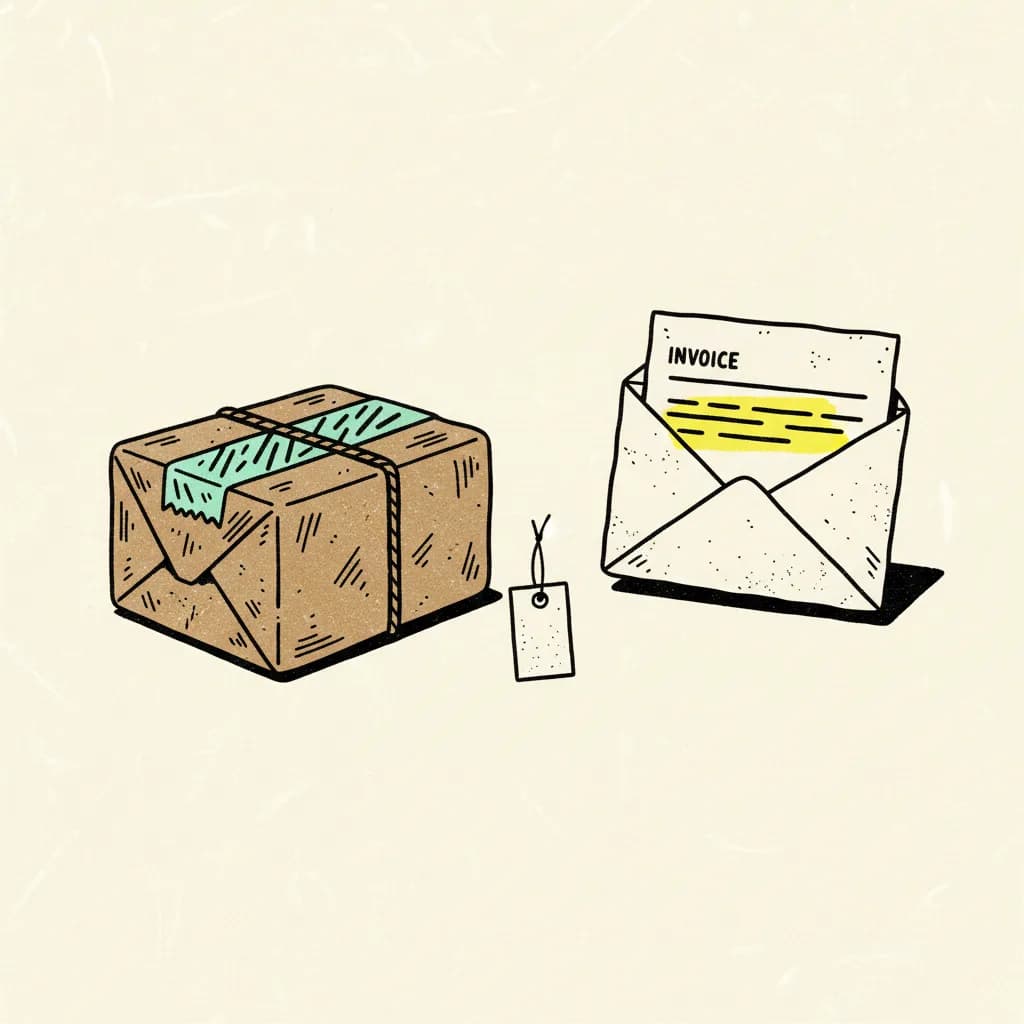
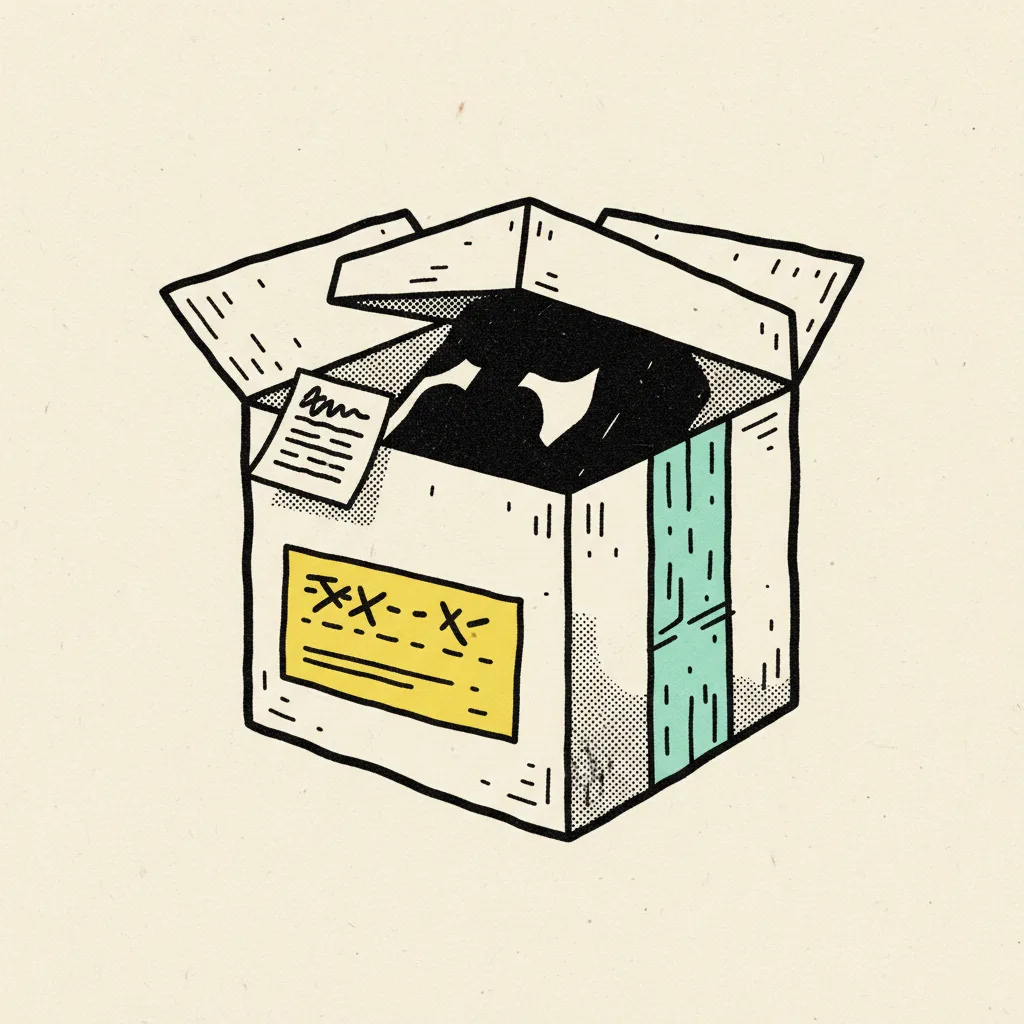
Product seeding means sending the creator the product with no contract, no deliverable, no payment. You pay for the SKU, the courier, and a short personal note. Whatever the creator posts, if anything, is organic. You do not own the content for ads. You do not get a draft for approval. You do not get a posting date.
What it buys you, when it works, is reach that does not look bought. A creator unboxing a skincare serum in their bathroom on a Tuesday morning reads as a recommendation. A paid Reel with a #paid tag reads as a transaction. The Thai FTC labelling rules tightened in 2025, and creators are now consistent about flagging paid placements. That label moves conversion. Brands that have switched from seeding to paid in the same category have measured the disclosure drop, and it is not zero.
The trade is that seeding has terrible conversion as a media plan. A realistic post rate for a cold seed in Bangkok in 2026 is around 12 to 25 percent for beauty and F&B under 1,000 THB SKU value, lower for tech or anything that takes effort to use. That is the post rate before you ask for any specific framing. If you also want the brand mentioned in the caption, in the right way, on a specific platform, you are paying for that. You just are not calling it a payment.
When seeding is the right call
Seeding earns its keep in a narrow band. The product has to be visually interesting on first contact, simple enough to film without instructions, and priced low enough that the creator does not feel obliged to give it back. Below roughly 1,500 THB retail per unit, creators in Bangkok in 2026 treat the box as a gift. Above that, especially in tech and home, they start asking whether this is a loan or a partnership, and you are back in negotiation.
Beauty, F&B, accessories, and home fragrance still seed cleanly. Skincare serums, snack drops, sunglasses, candles. The category matters more than the SKU value. A 600 THB serum in a category the creator already posts about will outperform a 1,200 THB gadget in a category they have never touched. Category fit beats price.
The other case for seeding is volume. If you can ship 40 boxes to 40 creators for the cost of one paid macro post, your shot on goal count goes up. A 20 percent post rate on 40 seeds is 8 organic mentions. Even discounting for quality, that is more surface area than one Reel from a 500k follower account. For launch weeks where awareness is the only KPI, that maths still works. For a Bangkok F&B launch at a major retailer, seeding feeds the pre-launch fortnight and paid posts cover the on-shelf window.
When paid posts win, every time
The moment you need the content for ads, seeding is the wrong tool. Whitelisting, Spark Ads, Meta dark posts, all of it requires a usage clause. A seeded creator owns their content and is under no obligation to grant you ad rights. They will, sometimes, for a fee. By then you are paying twice. Once for the product, once for the usage rights you should have bought up front. The usage rights piece covers the THB ranges for that retroactive ask, and they are not friendly.
Paid posts also win when timing matters. Festival windows, retail launches, payday weeks. If your campaign hinges on a specific date, you cannot rely on a 20 percent post-rate lottery. You book the creator, you brief, you get a posting date in writing. The brief template handles the framing.
The third case is consideration categories. Anything where the buyer needs an explanation, not a glance. Skincare routines, supplements, fitness apps, B2B tools. These need a script, a hook, and a call to action. Seeding will not produce that. You will get a creator holding the product, smiling, and the caption will say "thank you for sending". You paid for warehouse pick-and-pack to generate a smile.

The THB lines that matter in 2026
The numbers brand marketers keep asking for, drawn from accepted offers on the Mai Influence roster and from briefs we have seen this year:
- Seed cost ceiling: a seeding box that costs more than 1,500 THB delivered should be paired with a payment or a structured ask. Above 1,500 THB, the gift framing breaks.
- Paid-post floor for nano creators (under 10k followers): 3,500 to 6,000 THB for one Reel or TikTok with a basic usage clause. Below this, you will get a yes but you will not get a posting date that holds.
- Paid-post band for micro creators (10k to 80k followers): 9,000 to 22,000 THB for one Reel plus a carousel, depending on category. See the rates guide for the wider follower-tier ranges.
- Seed-then-pay for top performers from a seeding wave: budget 60 to 80 percent of the standard paid rate for a follow-up commissioned post, since the relationship is warm.
If you are sending 40 boxes and not tracking who posts, you are not running a seeding programme. You are running a charity.
The decision in one paragraph
Seed when the product is cheap, visual, and on-category for creators you have already mapped. Pay when you need a posting date, an ad licence, a script, or a specific framing. Run both at once during launch weeks, with the seeding wave handling pre-launch awareness and three to five paid posts covering the on-sale window. Track which seeded creators posted, score them, and convert the top 20 percent into paid relationships the next quarter. That is how the ROI maths starts compounding instead of resetting every campaign.
The wrong move is the one most brands still make. Treating seeding as free marketing and paid posts as a luxury. Seeding has a cost, it just hides in your COGS. Paid posts have a price, and that price buys certainty. Match the tool to the KPI, not to the budget line that has room left in it.