Music licensing on Bangkok creator content in 2026
By Mai Influence
Most Bangkok creator briefs land at the roster without a single line about music. The track gets picked the night of the shoot, the post goes up, and three weeks later the brand tries to repurpose it into a paid ad and discovers the audio is locked. The fix is cheap if it sits in the brief. It is expensive once the post is live and the cutdown is sitting in Ads Manager waiting for approval.
Music licensing is the line item that decides whether your creator content survives past the organic post. In 2026 the gap between what is allowed on a personal Reel and what is allowed on a brand-tagged collab post is wider than the one between TikTok and Instagram themselves. SEA brand marketers keep paying for this education in the worst possible way, which is the takedown email.
The commercial sound trap on Reels and TikTok
Instagram and TikTok both split their music libraries into two pools. The big pool is personal sound, which contains the trending audio everyone wants. The small pool is commercial sound, which is the only audio a business-tagged or branded post can legally use. A creator on a personal account scrolling the trending tab sees the big pool. The moment a Paid Partnership tag or a TikTok Branded Content disclosure goes on the post, the big pool disappears and the upload errors out with "this audio is not available for business accounts."
This is not a Thailand quirk. It is the platform rule globally, and it is enforced at the upload step in Bangkok the same way it is enforced anywhere else. The mistake brands keep making is assuming the trending sound their roster picked at scout time will still be there when the disclosure tag goes on. It will not.
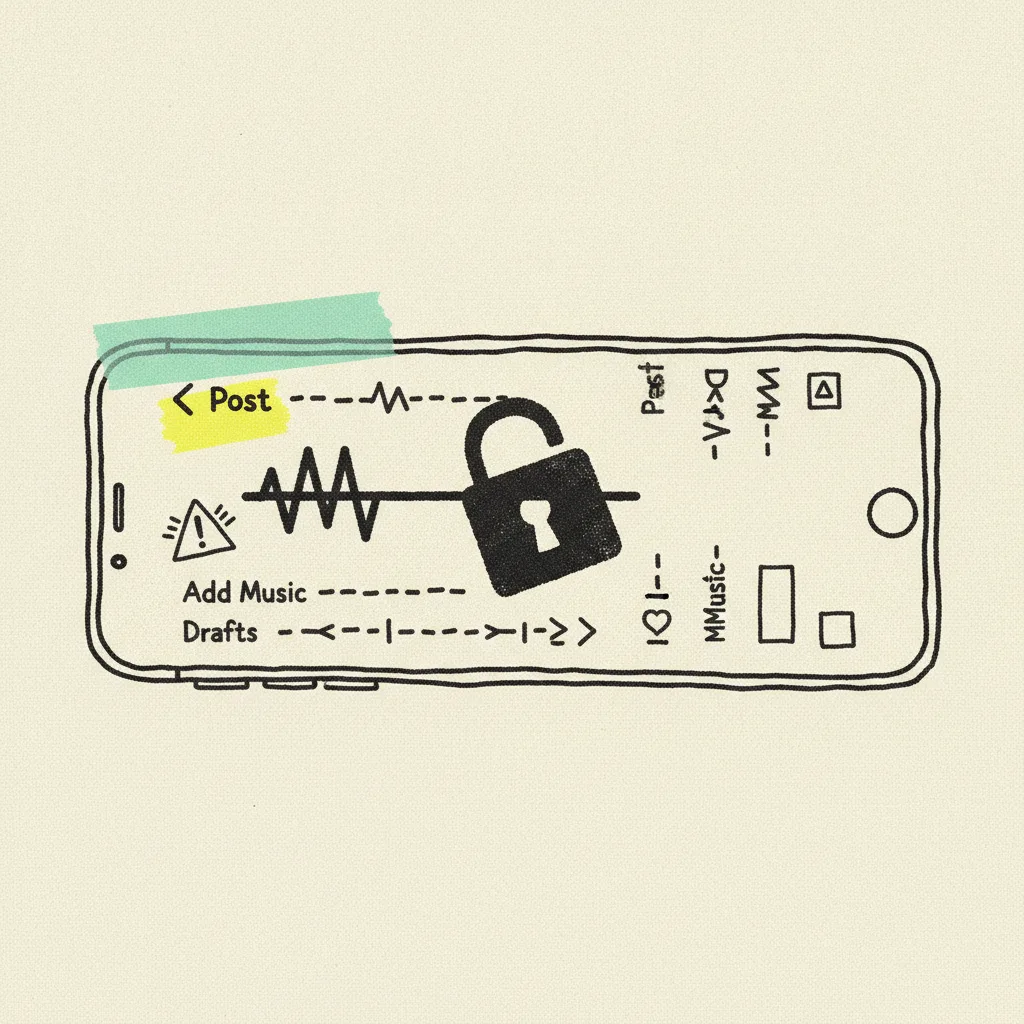
The right brief language is one sentence. The creator confirms in writing that the audio used will be either platform-approved commercial sound, an original composition, or a track from a licensed stock library the brand has named. If your roster cannot answer that question by the time the storyboard is approved, you have a kill-fee risk you have not priced in, and that is the same logic that runs through our kill fees guide.
Licensed stock libraries and what they cost
For anything you plan to repurpose into a paid ad, the cleanest path is a stock library the brand owns the subscription to. The three Bangkok rosters use most often are Epidemic Sound at around USD 16 a month per user, Artlist at around USD 10 a month on an annual plan, and Soundstripe at a comparable band. In THB these run roughly 350 to 600 a month per seat. The brand pays it, not the creator.
The catch is the seat structure. Epidemic and Artlist licences attach to the account that downloaded the file, not to the file itself. If your creator pulled the track on their personal Epidemic account, the licence covers their personal channel. It does not automatically cover your whitelisted ad cutdown running from your Business Manager. Either the brand subscribes and shares the download, or the brief explicitly transfers the licence in writing. Without that step, the agency holding your ad account will refuse to upload it, and they are right to.
Thai catalogue music is a separate conversation
A surprising number of Bangkok briefs ask for "that Thai song everyone is using." GMM Grammy and RS hold the bulk of the modern Thai pop catalogue, and their commercial sync licences for short-form social start around 30,000 THB per track for a single-campaign use and rise sharply if the track is a current chart entry. For most creator campaigns this is the wrong tool. The right move is either a royalty-free track that fits the vibe, an original composition from a Bangkok producer at around 8,000 to 20,000 THB for an exclusive 30-second loop, or a trending platform-approved commercial sound the roster has already cleared.
What goes in the brief
A brief that survives repurposing has four lines on music:
- Named subscription library, with the brand as the account holder.
- Maximum duration of any track the creator may use without further clearance.
- Confirmation that the audio is on the platform's commercial sound list if the post will carry a Paid Partnership tag.
- A short clause assigning the brand the right to use the same audio in cutdowns derived from the post, for the same window as the usage rights you negotiated.
A licence the creator holds and a licence the brand holds are not interchangeable. Write down which one is paying for the post and which one is paying for the ad.
When to skip licensed music entirely
Some categories are better off with no music. Voice-over Reels for FDA-sensitive beauty briefs read more credibly without a backing track. Live-commerce sessions on Shopee and Lazada do not need it at all. UGC-style product demos in the UGC versus influencer band often perform better with ambient room tone than with a stock loop that signals "this is an ad" within the first second.
The music line is small. The cost of fixing it after the fact is not. Write the four lines into the brief, name the library, and the same creator content can move from organic to paid without anyone scrambling for a clearance email at the end of the campaign.