Kill fees on Bangkok creator briefs in 2026
By Mai Influence
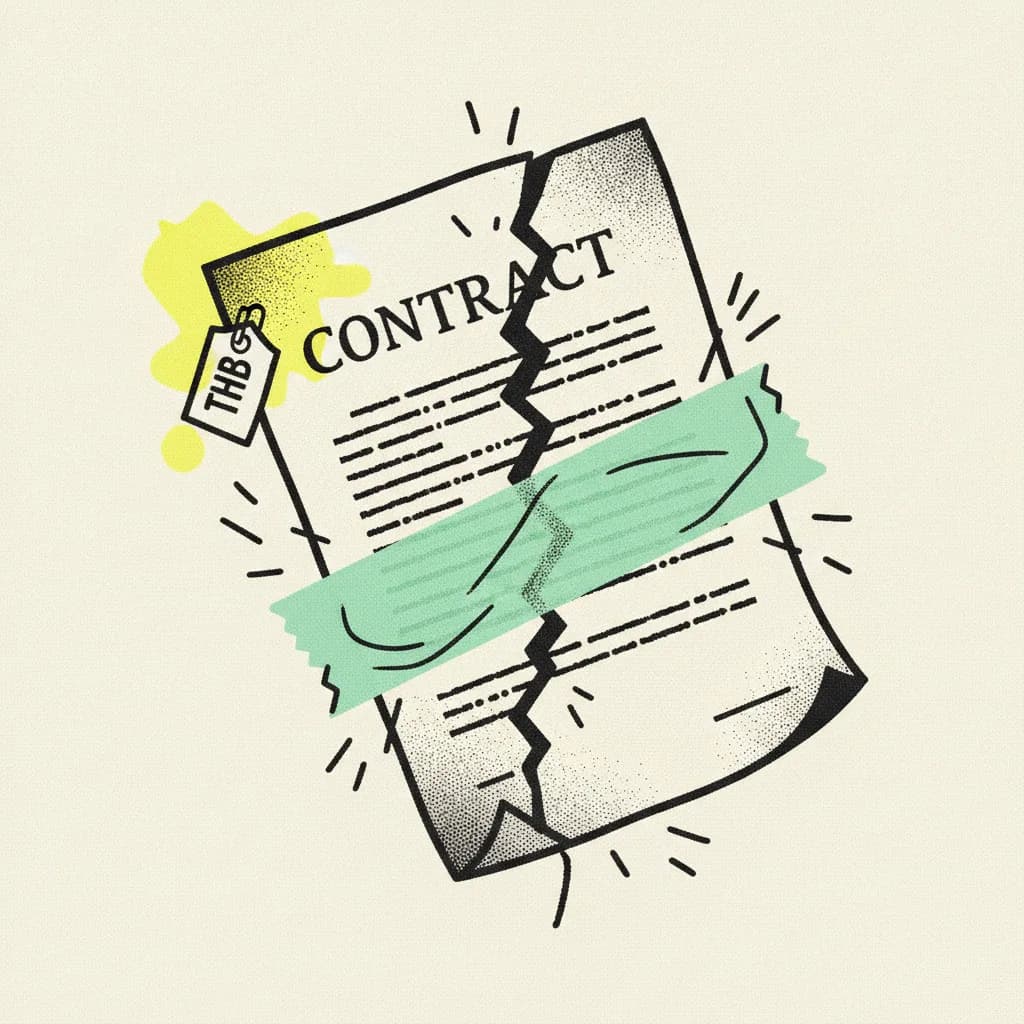
Kill fees are the line item Bangkok brand marketers leave out of the brief and then argue about over WhatsApp at 9pm. Campaigns get pulled. Products get delayed. A founder changes their mind on the angle two days before the shoot. Without a written cancellation schedule, every one of those moments becomes a fresh negotiation, and the creator is the one absorbing the calendar damage.
This is the honest 2026 picture of what kill fees actually look like on Bangkok creator briefs, drawn from accepted offers across the Mai Influence roster and pre-platform contracts that landed in the same inbox. Numbers below are THB unless flagged. They are starting positions, not ceilings, and they sit on top of the payment terms you have already agreed.
What a kill fee actually pays for
A kill fee is not a refund question. It compensates the creator for time already spent, capacity already blocked, and other briefs already declined. By the time you sign, a mid-tier Bangkok creator has likely turned down at least one competing offer in the same week. That opportunity cost is what the kill fee is buying back.
Three things drive the number: how far into the production schedule you are, how exclusive the booking is, and how specialised the shoot setup needs to be. A standalone Reel for a cafe in Onnut sits at the cheap end. A two-day shoot at Tops with a stylist, an FDA-compliant claim list, and a category lockout sits at the expensive end. Treat the fee as a slider across those three axes, not a flat percentage.
Stage-by-stage percentages
The cleanest way to write this into a brief is by production stage, not by calendar days. Calendars slip. Stages do not.
- Brief accepted, no scripting yet: 10 to 15 percent of total fee. Covers the slot blocked off, no work product yet.
- Script or storyboard delivered: 25 to 35 percent. The creator has spent real hours, and the script has IP value to no one else.
- Shoot day booked within 7 days: 50 percent. Anything closer is a hold the creator cannot resell.
- Shoot day within 48 hours: 75 to 100 percent. At this range, treat it as full payment with no asset delivery rather than a kill fee.
- Footage shot, edit in progress: 100 percent of the production line, with the brand keeping or releasing the raw rushes by mutual agreement.
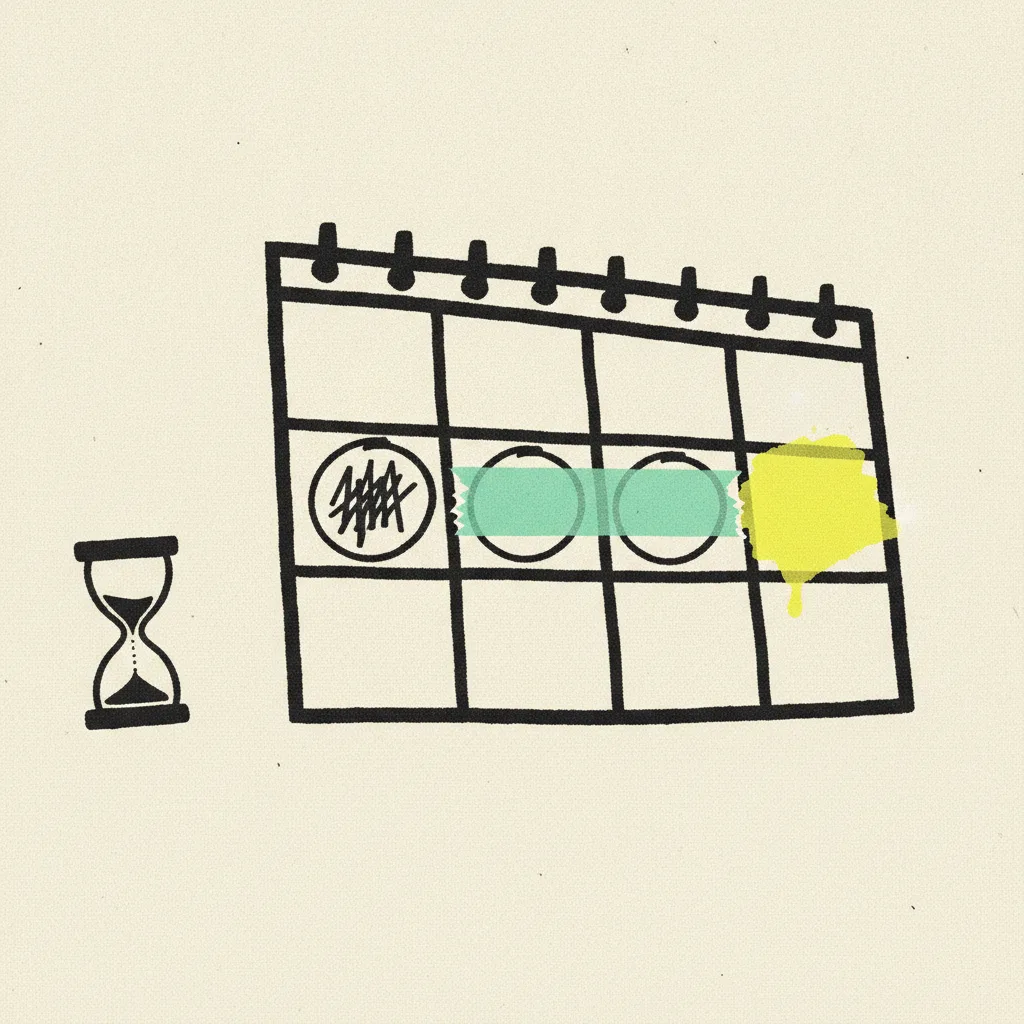
These bands hold across follower tiers. A nano with 12k followers and a macro with 480k both have the same problem when a brief dies on day six: they re-shopped that week to land you, and now the week is gone. The absolute number changes, but the percentage logic does not.
Who pays, who keeps the rushes
Bangkok creator contracts in 2026 still split badly on this. The default in agency paper is brand-favourable. The default in marketplace offers is creator-favourable. Pick a side before the brief goes out, not after the cancellation lands.
The fair middle: the brand pays the stage percentage, the creator deletes any rushes that have not been paid in full, and either party can request a written confirmation of deletion within 14 days. If the brand wants to keep the rushes, the fee goes to 100 percent and a separate usage rights line kicks in for whatever cutdown the brand ends up running.
The cleanest kill clauses we see read like a price list, not a negotiation. Three lines, four percentages, one rushes-handling sentence. That is the entire mechanic.
Force majeure, FDA, and the Bangkok-specific bits
A 2026 Bangkok brief needs at least three carve-outs that boilerplate contracts from elsewhere will not have.
The first is FDA claim failure. If the brand's product fails a claims review after the creator has scripted, neither side caused it, and a 50 percent split of the stage fee is the cleanest answer. The second is platform takedown risk on health and beauty categories, where the creator should not eat a kill fee for a brand-side compliance miss covered in the ad disclosure rules post. The third is Bangkok weather. A washed-out outdoor shoot at Lumpini is not a cancellation, it is a reschedule, and the kill clause should say so.
Songkran, Loy Krathong, and the year-end retail window add their own pressure. A brief cancelled inside those windows leaves the creator with no realistic backfill, which is why peak-window kill fees should bump one stage higher than the production schedule suggests. If your brief overlaps a festival, write that one-step bump into the contract from the start.
What this looks like in THB
Two worked examples from real accepted offers in the last 90 days. Names removed, structures intact.
A 65k-follower Bangkok F&B creator, one Reel plus one carousel, total fee 22,000 THB. Brand pulled the brief after script delivery, three days before shoot. Stage percentage was 30 percent, fee paid was 6,600 THB, rushes never existed because the shoot did not happen. Both sides moved on inside 24 hours.
A 310k-follower beauty creator, two-day shoot for a launch at 7-Eleven, total fee 145,000 THB. Brand pulled 36 hours before shoot day after an internal product delay. Stage percentage was 90 percent, fee paid was 130,500 THB, and the creator released the booked slot to a backfill brief inside the week. Painful, but predictable, and the relationship survived.
Write the clause into the brief, not the contract
The single biggest improvement most SEA brand marketers can make in 2026 is moving the kill schedule out of the master services agreement and into the brief itself. Creators read the brief. They rarely read the MSA. Putting the stage percentages in the same document as the deliverables means there is no ambiguity when something slips, and the marketplace escrow flow can settle on it without a human chasing signatures.
On Mai Influence, the kill schedule sits in the offer block above the deliverables, and Stripe holds the deposit against it. When a brief gets pulled, the stage percentage is released, the balance returns to the brand, and the audit trail is two clicks. That is the mechanic the platform is built around, and it is the same mechanic the marketplace versus agency comparison post turns on. The kill fee is not the unpleasant part of the brief. It is the part that protects both sides from the unpleasantness.