Food and restaurant creators in Bangkok in 2026: what to pay
By Mai Influence
Food is the busiest category on Bangkok creator briefs in 2026 and the one most often paid the wrong amount. Restaurants opening in Thonglor, Ari, and Charoenkrung treat creator rates like a comp-meal extension of the marketing budget, then act surprised when the post lands at the rate of a beauty Reel. F&B creators in Bangkok carry shoot logistics, location risk, and a delivery-platform integration layer that the general lifestyle rate card does not cover. Briefs that ignore this pay either too much for a snack post or too little for a full restaurant shoot, and the campaign drifts somewhere in between.
This is the honest range from the Mai Influence roster, broken down by tier, format, and the F&B-specific cost lines briefs keep skipping. The baseline numbers in our Bangkok creator rates honest guide still apply, but food sits in its own band and behaves differently from beauty or fashion. Read this on top of the baseline, not instead of it.
What food briefs actually pay in 2026
A single in-restaurant Reel from a Bangkok F&B creator in 2026, covering one platform-native post and one set of stories, sits in these THB bands:
- Nano (under 10k): 4,500 to 11,000.
- Micro (10k to 60k): 11,000 to 28,000.
- Mid (60k to 200k): 28,000 to 70,000.
- Macro (200k to 800k): 70,000 to 190,000.
- Top-tier food (800k+, named, recognised by mainstream press): 190,000 to 550,000+.
Bundles compress the per-asset cost as usual. One Reel, one carousel, three stories, and a TikTok cross-post from a mid-tier food creator lands around 42,000 to 60,000 THB rather than the 28,000 to 70,000 a single Reel might quote. The carousel is where the menu shots and the price points live, which is why F&B briefs that drop it pay more per dish, not less.
Tasting events and full restaurant takeovers carry their own line. A two-hour tasting with five to eight creators on site runs 60,000 to 220,000 THB inclusive of post fees, before food and beverage cost. Delivery-platform live demos sit closer to the live commerce guide maths, not the in-restaurant rate.
Why F&B costs less than beauty but more than you think
Food rates run roughly 20 to 30 percent below beauty at the same follower count, and roughly 15 percent above general lifestyle. The reasons are specific to the category.
Shoot day is shorter than beauty. A restaurant Reel needs an arrival shot, two or three dish reveals, one tasting reaction, and a closing line. That is a 90-minute to 2-hour shoot for a deliverable that a skincare brand would book a full half-day to produce. F&B creators bill the session, not the day, and the rate card reflects that.
Exclusivity is narrower. A Bangkok food creator who shot for a ramen bar can post a different ramen bar 30 days later in most contracts, sometimes 45. Beauty lockouts run 60 to 90. The creator exclusivity guide shows the multiplier gap clearly, and food sits at the lower end across the board.
Location costs sit on the brief, not on the creator. The restaurant is the set. That swaps a beauty creator's home-studio overhead for a brand-side cost: comp meals for the creator and one guest, a reserved table during off-peak service, and parking if the venue is outside the Sukhumvit core. Most briefs underestimate the comp-meal line by half.

The comp-meal rule nobody writes into the brief
Food creators expect a comp meal for themselves and one guest as part of the shoot, on top of the cash rate. This is not negotiable in the Bangkok market in 2026, and trying to count it against the rate burns the relationship before the second campaign. Build it into the line item.
The working numbers: budget 1,200 to 2,500 THB per head for a casual concept, 2,500 to 5,500 for a mid-range venue, and 5,500 to 12,000 for fine dining. A macro creator with a 200,000-follower TikTok will quietly note whether the comp meal matched the restaurant's actual menu price or got swapped for a smaller tasting set, and the next quote reflects that.
Two F&B-specific clauses to add to the brief. First, the comp meal happens on a date the creator schedules, not on the shoot day, when the creator wants a clean visit before scripting. This is a real cost, not a freebie. Second, drinks are itemised separately because alcohol pushes the per-head number above the food cost in roughly half of Thonglor and Ekkamai briefs. The payment terms guide covers how to invoice this cleanly.
Delivery-platform integrations earn their own line
Bangkok F&B briefs increasingly bundle a GrabFood, LINE MAN, or Robinhood integration on top of the in-restaurant Reel. The rate card treats this as a separate deliverable, not a bonus.
A creator-driven delivery promo, with a tracked code and a 7 to 14 day post-shoot story sequence, adds 8,000 to 35,000 THB to the base post fee depending on tier. Commission-only structures on delivery orders exist but rarely clear minimums for anything under 60k followers. Flat fee plus a small performance kicker tends to outperform pure commission in the food category, the opposite of the TikTok Shop pattern covered in our affiliate versus flat fee breakdown.
The trap is asking for the in-restaurant Reel and the delivery story sequence for one combined fee. The two assets sit in different parts of the funnel, and creators who quote them together are quietly discounting one of them. Separate the line items and the post-campaign reporting gets easier too, which our wrap reports guide walks through.
Where the category wastes spend
Three patterns burn budget on Bangkok food briefs in 2026, and all three are avoidable.
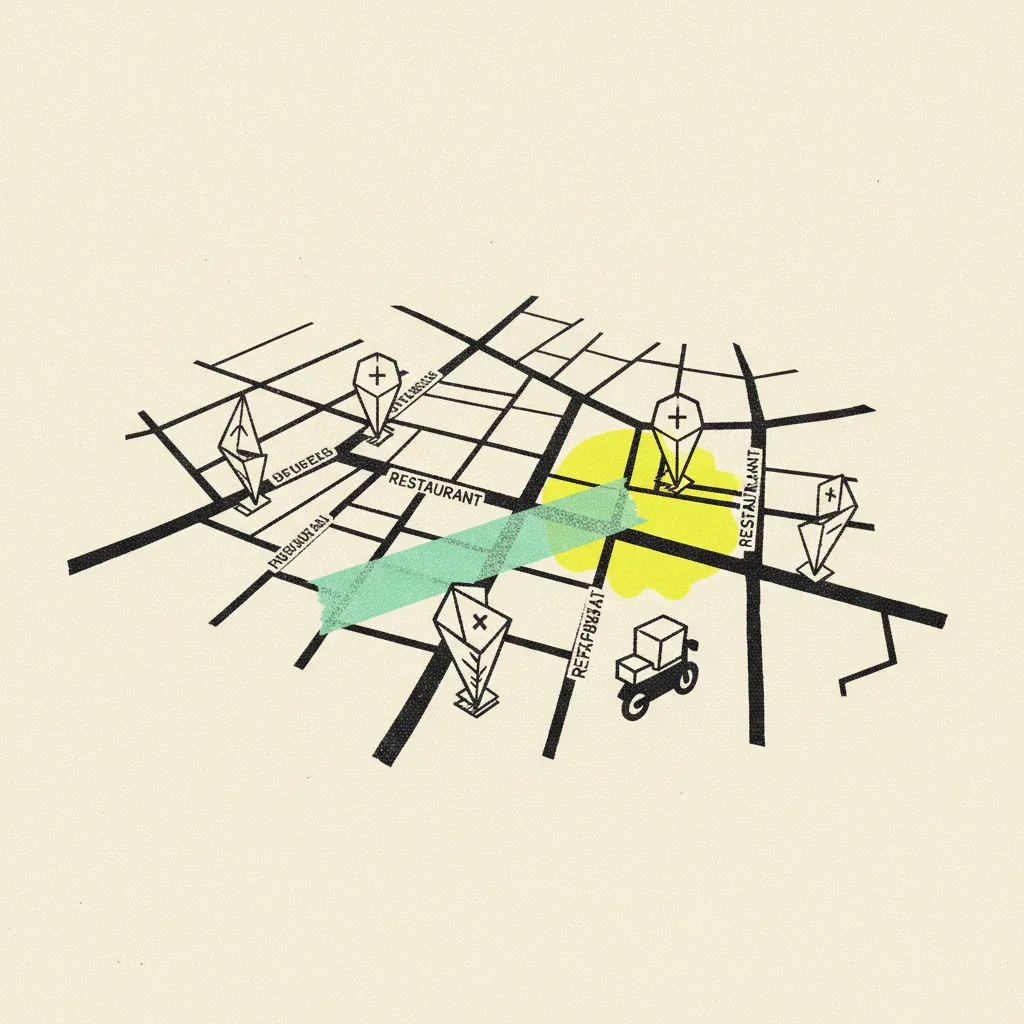
The first is booking creators outside the restaurant's catchment. A Charoenkrung wine bar paying a Bang Na lifestyle creator with 400,000 followers will see the engagement, the saves, and almost none of the bookings. F&B converts on neighbourhood radius. The rule of thumb on the roster: for a single-location venue, 70 percent of paid creators should live or routinely post within a 5 km radius of the restaurant.
The honest filter for a single-location restaurant is not follower count, it is whether the creator can plausibly come back for dinner next week without it being a story.
The second is paying macro rates for a launch week with no reservation system. A 150,000 THB macro post pushes traffic the restaurant cannot capture. Food briefs need either a working reservation link, a tracked walk-in window, or a delivery code live on the day the post drops. Without one of those three, the spend is brand awareness priced as performance.
The third is booking food creators for non-food brands hoping for halo. A kitchenware brand briefing a food creator usually gets a flat-feeling tutorial that underperforms both a dedicated lifestyle post and a proper cooking demo. The category overlap looks clean on a spreadsheet and rarely is.
Brands that want the honest pre-brief shortlist for a Bangkok F&B campaign can post the spec on Mai Influence and watch the offers land with neighbourhood radius, comp-meal expectations, and delivery integration already priced in.