Loy Krathong creator briefs, Bangkok 2026
By Mai Influence
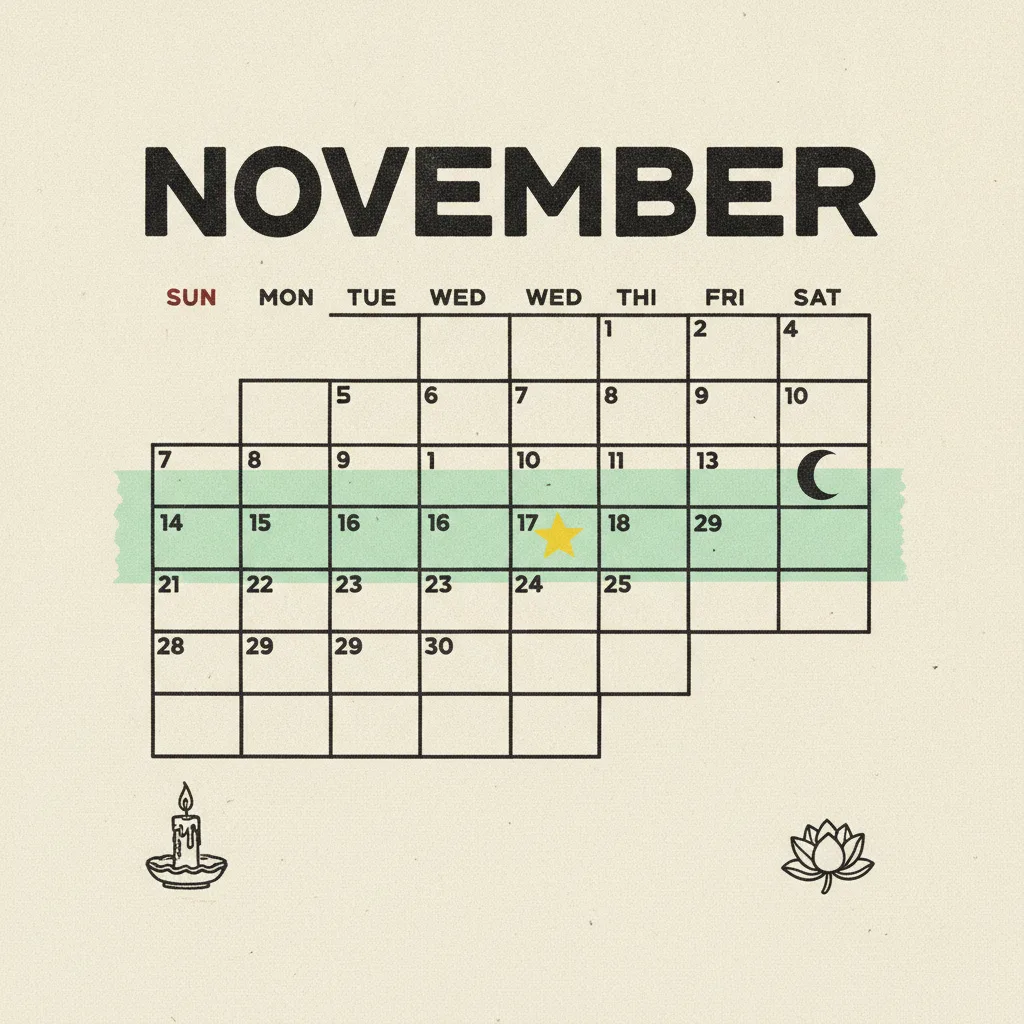
Loy Krathong falls on Sunday, 15 November 2026. That is a full-moon Sunday, which means one night of peak footfall along the Chao Phraya, Benjakitti, Lumphini, and every khlong that will hold a candle. Brands that want creator content anywhere near a river or pond have a very narrow window, and most of the good creators are already half-booked by early October. This is not Songkran, where the wet-play look carries any brand willing to laugh at itself. Loy Krathong is quieter, warmer in tone, and much harder to shoot cleanly. If you are planning a campaign around it, the brief you write in September is the campaign; anything you try to fix in November costs rush fees and produces the same generic candle-close-up every other brand shipped.
This post is the sequencing guide we hand our brand side when they ask about booking for the festival. It sits next to our Songkran brief guide as the second half of the Bangkok festival calendar, and leans on the timing rules in our campaign timing post.
What Loy Krathong actually gives a brand
Loy Krathong is a single-night event with a two-week runway of thematic content. From roughly 1 November onward, cafes swap in marigold-and-banana-leaf displays, malls install floating krathong photo installations, and creators start posting "getting ready" clips that reference the festival without shooting it directly. The night itself is the money shot, but the pre-festival week is where the softer branded content lives, and it costs less to produce because you are not fighting a crowd.
The audiences that engage with Loy Krathong content skew a little older than Songkran (mid-20s to late-30s), skew slightly more female on Reels and TikTok, and index heavily on beauty, home, F&B, and travel. If your product is an EV, a laptop, or a B2B tool, Loy Krathong is not your festival. Save the budget for Chinese New Year in February or the year-end shopping window.
Booking lead times that actually work
Book by mid-September for the top creators. Book by early October for the mid-tier. After 15 October, expect to pay a rush multiplier or take second-choice talent. The reason is not artificial scarcity, it is that every brand that ran a Songkran push in April has the same idea in September, and the calendar for the two weeks before 15 November fills up in one direction only.
Concrete lead-time bands we see in our roster:
- Top-tier lifestyle creators (200k+ followers): book by 10 September for a mid-October shoot. Rate lift over standard: 15 to 25 percent because of the tight window and evening call time.
- Mid-tier (30k to 200k): book by 5 October. Rate lift: 10 to 15 percent, negotiable if you are flexible on which night you shoot.
- Nano and micro (under 30k): book by 25 October. Rate lift: 0 to 10 percent, sometimes flat.
- Post-festival edit deliverables: add 5 working days minimum. Nobody edits on 16 November.
If a creator quotes you their standard rate in late October with no lift, that is either genuine goodwill or a warning sign; ask what nights they are already booked and cross-check against their content calendar.
Locations that will and will not work
Chao Phraya-facing hotels (Peninsula, Mandarin Oriental, Anantara Riverside) charge location fees during festival week. Expect 8,000 to 20,000 THB per hour for a permitted riverside shoot, plus a security walk-through you have to schedule in advance. We cover the general shape of these fees in our location-fees post, but festival week is a separate rate card and the negotiating room shrinks to almost nothing.
Public parks with water features (Benjakitti Forest Park, Lumphini, Suan Rot Fai) are free but crowded past 6pm on the night. If your shoot list needs an unobstructed background, you are shooting at 4pm or you are shooting on 13 or 14 November when creators can float a symbolic krathong for the camera without twelve other people in frame.
Rooftop bars with river views work well for the "watching from above" angle and let you cross-cut with product beats without wading into the crowd. Expect a corkage or minimum spend, and check whether the venue allows filming during service hours. Some do not, no matter what the marketing manager tells you over LINE.
The most under-used option is the private garden pond. Restaurants like Issaya Siamese Club and a handful of boutique hotels have small ponds that can hold a single krathong for a controlled shot. You get the aesthetic without the crowd, and the location fee is often folded into a minimum F&B spend.
The alcohol question
Loy Krathong is a drinking night. The festival ends with people eating, drinking, and watching fireworks along the water, and every F&B brand that sells alcohol wants creator content that leans into that. Thai advertising rules on alcohol are strict and creators know it. You cannot show the product being consumed, you cannot show intoxication, and you cannot pair the product with a religious or cultural symbol in a way that reads as endorsement of drinking during the ritual. Our alcohol brand brief post covers the general rules; Loy Krathong specifically adds one more, which is that the krathong itself cannot be featured in the same frame as the bottle. Not because a law forbids it explicitly, but because the platforms remove it and the takedown eats your paid spend.
Workable angle: shoot the pre-festival gathering, the food, the friends, the river view. Cut to product beats in a separate scene. Do not composite them. If a creator offers to "just put the bottle next to the raft, it will be fine", it will not be fine.
Briefs that survive a wet night shoot
The single biggest mistake we see on Loy Krathong briefs is asking for the same shot list a brand would use in a controlled studio. It rains. The wind blows candles out. Crowds walk through your frame. Your creator's phone gets splashed. A brief that lists twelve required shots produces three usable ones and a lot of resentment.
What works instead:
- Three must-have moments, six nice-to-haves. Prioritise ruthlessly. If the shot list has more than nine items total, cut half.
- A backup indoor scene. Book a cafe or the creator's apartment as fallback. If the night rains out, you still have content.
- A B-roll day the week before. Shoot the marigolds, the incense, the raft assembly. Cheaper, easier, and gives the edit texture.
- One vertical, one horizontal. Reels and TikTok want vertical; if you need YouTube or a Facebook page cover, get the horizontal in the same evening.
A Loy Krathong brief is a shooting schedule, not a mood board. If the creator cannot execute it in 90 minutes on a crowded riverbank, the brief is broken.
Music matters more than usual because the festival has its own song ("Loy Krathong wan pen duen sib song") that every creator will want to use. That track is not automatically licensed for commercial use on TikTok or Reels. Check the music licensing post before you tell a creator to use it, and be ready to swap in a royalty-free alternative for the paid-boosted version.
Rush fees are real; plan around them
If you are reading this in late October, you are not too late, you are just paying more. Standard rush multipliers in our roster during festival week run 25 to 40 percent above quoted rate for turnaround inside 7 days, and 50 percent-plus for anything inside 72 hours. The rush-fees post breaks down the maths. The practical read: if your creator budget for Loy Krathong is 45,000 THB and you book on 5 November, budget 60,000 THB and stop pretending the number will hold.
The alternative is to shift the campaign to pre-festival content only, skip the night-of shoot, and buy paid distribution to make the softer content work harder. That is often the better call anyway for brands that do not have a genuine reason to be at the water.
What to do next
If you have not started, list three creators from our marketplace this week, send a paragraph brief with your budget band, and let them counter with their available nights. Do not send a formal RFP; send a working message. Creators book fast when the brief is honest and the timeline is real. Everything else is Songkran with a candle instead of a bucket, and Songkran already happened.