Alcohol brand briefs on Bangkok creators in 2026
By Mai Influence
Alcohol is the most expensive category to brief a Bangkok creator on in 2026, and none of the extra cost is the creator's fee. It is the law. Section 32 of the Thai Alcoholic Beverage Control Act B.E. 2551 bans any advertising that "shows the product or brand names of alcoholic beverages in a way that induces consumption, or boasts about the beverage." The wording is broad on purpose. Enforcement is uneven, quiet for months, then loud when a viral post catches a regulator's inbox. The fines run up to 500,000 THB per post and jail time up to one year for the person who commissioned it. That person is usually the brand marketing lead, not the creator.
This piece is written for SEA brand marketers running gin, whisky, craft beer, wine importer, or hospitality-adjacent briefs into Bangkok. It is not legal advice. Every brief we route through Mai Influence for a regulated category goes to a Thai lawyer before it goes to a creator. What this post can do is show you where the money leaks and which briefs land safely.
What Section 32 actually blocks
The rule is not "no alcohol content." The rule is no imagery, name, or copy that promotes the drinking of the specific beverage. In practice, that stacks up like this. The brand logo can appear as a static end-frame with the statutory Thai-language health warning that reads roughly "the consumption of alcoholic beverages may cause disease." No labelled bottle can be held on camera. No drinking action, no glass raised to the mouth, no swallowing sound. No taste claim, no "smooth finish," no "perfect for the weekend." No group scenes framing consumption as a social reward.
What is workable is lifestyle content around the category: bar culture, cocktail history, glassware, ice programmes, food pairing shot as food, brand-colour props, silhouettes, and the closing static logo with the warning card. Roughly seventy percent of the frames a normal creator brief would use are off the table. The other thirty percent is where the entire category lives.
The THB upcharge you should expect
Alcohol briefs on Bangkok creators sit 25 to 40 percent above the same creator's standard rate card, for four honest reasons. First, the creator's own reputational risk is higher, so the fee has to reflect it. Second, revision rounds run longer because compliance edits are not creative edits. Third, most experienced creators in this category insist on shorter usage windows, six months rather than twelve, which reduces the amortised value of the deliverable. Fourth, kill-fee terms have to be more generous because the regulator, not the brand, can force the takedown after publication.
A mid-tier Bangkok creator around 80,000 followers who charges 30,000 THB for a Reel and carousel will typically quote 42,000 to 48,000 THB for an alcohol brief with the same scope. A macro at 350,000 followers who charges 90,000 THB may quote 125,000 to 145,000 THB. Nano and micro creators discount less on the compliance premium because the fine hits them the same. See our rates guide and nano-creator piece for the base bands before you apply the alcohol multiplier.
Safe frames vs unsafe frames
The list every alcohol brief needs, printed on page one:
- Safe: brand-colour props, empty glassware, ice pours into empty glasses, food styled alone, bar exterior shots, cocktail history voiceovers, category education, closing static logo card with the statutory warning.
- Unsafe: bottles with visible labels, drinking on camera, taste claims, price mentions, promo codes on the drink, group cheers, party scenes, any "buy now" language, any claim that the beverage improves mood, energy, sleep, health, or productivity.
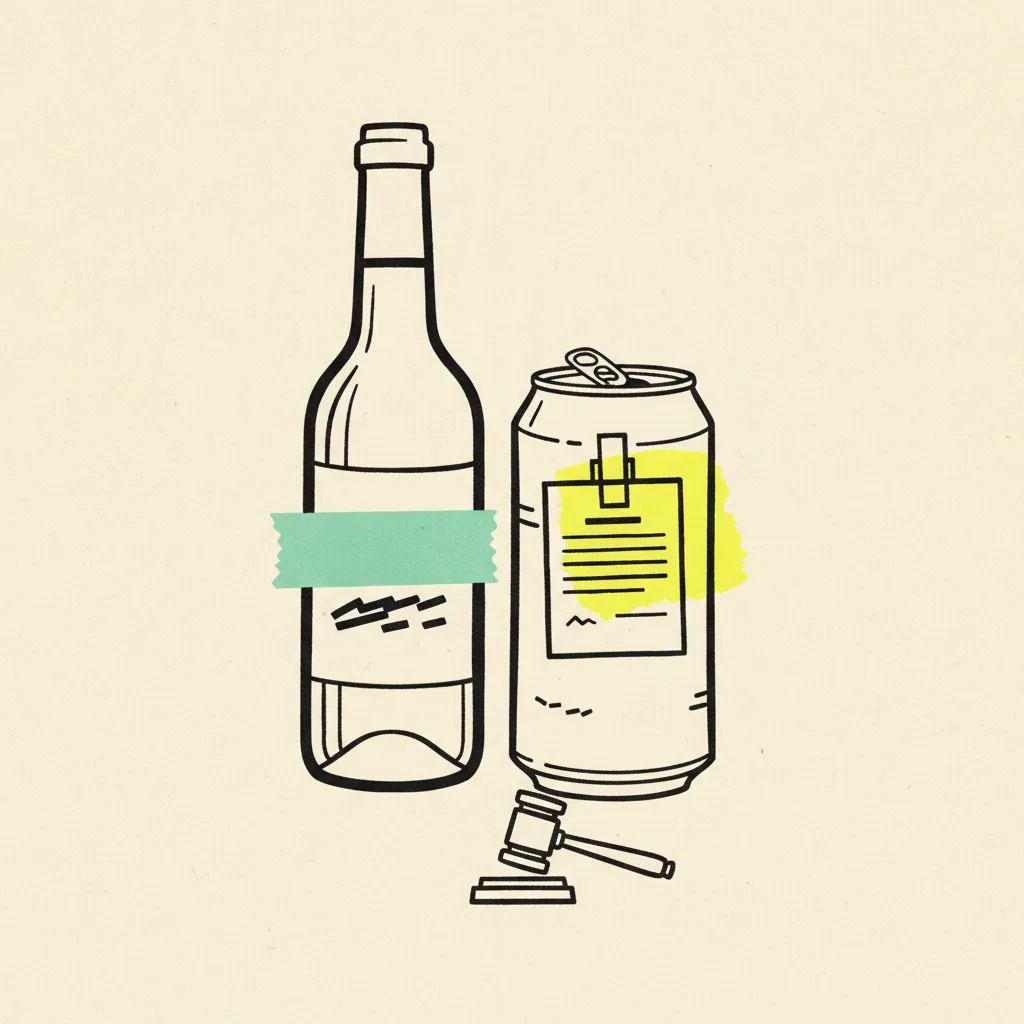
The frame everyone gets wrong is the pour. A creator can shoot a pour into empty glassware from a bottle whose label is redacted or facing away. The moment the label turns to camera, the shot is a Section 32 exposure. Bake that into the brief, not into the wrap-report post-mortem.
Contract clauses that actually help
Three clauses earn their keep on every alcohol brief. First, a compliance-review clause that gives the brand's Thai counsel a 48-hour window to approve every frame before publish, with the creator's fee not payable until sign-off. Second, a takedown clause that requires the creator to remove the post within six hours of any written regulator or platform notice, with a fixed 5,000 to 10,000 THB fee for that removal so it is not a fight. Third, an indemnity split that names which party carries the fine risk. Most Thai creators will accept a shared indemnity capped at their fee for their own compliance failures, but not an open-ended one for the brand's brief errors. Read our kill-fees post for how these numbers compound if the campaign gets pulled after paid amplification has run.
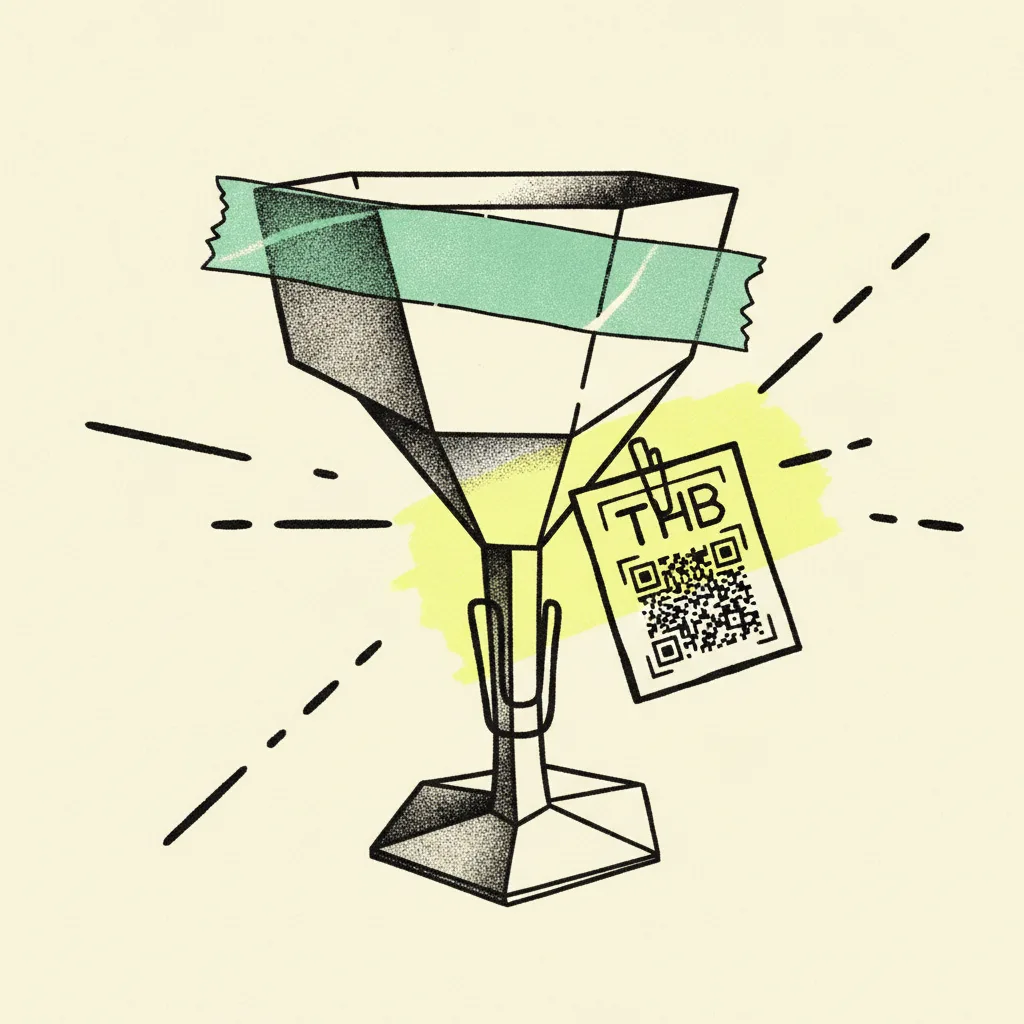
Usage rights on alcohol content should default to six months organic plus three months paid, not the twelve or perpetual terms common in unregulated categories. If the regulator's interpretation shifts, or a new platform policy lands, the shorter window limits your restatement exposure. Whitelisting to run on the creator's handle is workable, but a repurposed cut to a brand-owned ad account should be reviewed as a new asset by counsel, not treated as a copy-paste from the organic. Our repurposing guide covers the mechanic when the category is unregulated. Alcohol is not the case it was written for.
Where the briefs still work
The briefs that land cleanly in this category share a shape. They educate about a ritual, a place, or a piece of glassware, then close with a static brand logo card and the warning. A Sukhumvit rooftop bar's opening night can be filmed as architecture and ice sculpture, not as consumption. A Chiang Mai gin distillery can be shot as botanical process, not as tasting notes. A wine importer can commission a food-pairing series where the wine sits sealed and off-camera and the food carries the frame.
If your brief needs to show the drink being drunk, it does not belong on a Bangkok creator's feed in 2026. It belongs in a licensed off-premise venue, behind an age gate, on a channel Thai regulators do not read as public advertising. Every serious operator in this category we have routed through Mai Influence keeps a separate roster for that work, and treats it as production, not creator marketing. The moment those two pipelines cross is the moment the fine lands.
Alcohol content in Thailand rewards the brief that respects the law. It punishes the brief that treats the law as an editing note. Write the compliance clauses before you write the creative.