Payment terms for Bangkok creators in 2026
By Mai Influence
Most of the friction on a Bangkok creator campaign is not the rate. It is the payment structure underneath the rate. Brands assume net 30, creators assume 50 percent up front, and nobody mentions either side until the brief is already signed. That mismatch is what causes the missed delivery dates, the polite ghosting in week three, and the awkward Line message asking where the deposit went.
This is the honest map of how Bangkok creators expect to be paid in 2026. THB amounts, deposit ratios, where escrow actually changes behaviour, and the structures that are still negotiable versus the ones that have hardened into roster defaults. If you are also still pricing the work itself, our Bangkok creator rates guide sits underneath this piece.
The deposit is the negotiation, not the rate
For nano and micro creators in Bangkok (under 50,000 followers), the working assumption in 2026 is a 50 percent deposit on brief acceptance and 50 percent on delivery. Below 20,000 THB total, most creators will not start filming without the full amount in their account first. This is not greed. It is rent. A 12,000 THB Reel pays for three days of groceries in Onnut, and the creator has already lost a week of clients chasing your brand for the back half.
From 50,000 to 200,000 followers, the standard shifts to a 40 / 60 or 30 / 70 split, with the larger portion landing on delivery of approved final cuts. Above 200,000 followers, you start meeting agents and managers, and the structure mirrors traditional talent: 30 percent on signing, 40 percent on shoot day, 30 percent on delivery. The 30 / 40 / 30 only appears once a campaign passes roughly 80,000 THB per creator, which is the threshold where a manager can justify the admin overhead.
A 50 percent deposit is not a sign of an inexperienced creator. It is a sign of a creator who has been burned by a brand before.
Net terms are a Bangkok brand habit, not a creator one
International marketers walk into Bangkok assuming net 30 or net 45 is the polite default. It is not. The local roster runs on net 7 from delivery, with net 14 as the outside edge of acceptable. Net 30 will get your brief opened, read, and quietly declined in favour of the brand that pays the week after.
There is a structural reason. Most Bangkok creators are sole traders without a registered Co. Ltd, which means they cannot factor invoices the way a UK or US creator might. The cash they bill is the cash they have. A brand that needs net 30 is a brand asking a creator to lend it money at zero interest, which the creator priced in by quoting 20 percent higher and not telling you.
If your finance team genuinely cannot move faster than net 30, name a number that reflects the cost. A 15 percent premium on the headline rate buys you the longer terms without the silent markup. Cleaner, and the creator does not resent you in week four.

Escrow changes who is willing to take your brief
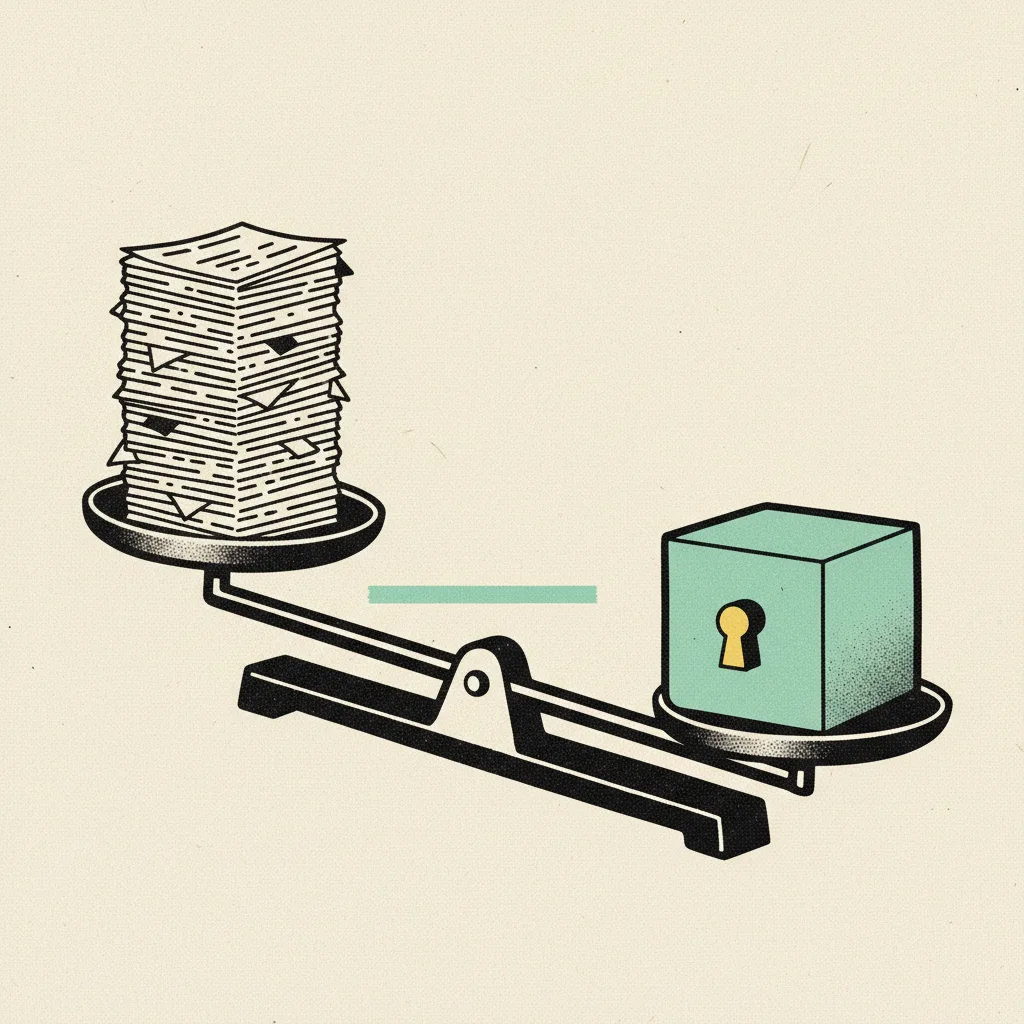
This is the part where the marketplace versus agency discussion gets concrete. An agency holds the relationship and can chase late payment with a phone call. A creator working direct cannot. Escrow is the substitute for that phone call.
When a brand funds a brief into Mai Influence escrow, the creator can see the money is there before filming begins. Two things follow. First, the deposit conversation disappears, because the full amount is already locked. Second, the creators who would otherwise have skipped the brief (the ones with 80,000 to 200,000 followers and a recent bad debt) actually send offers. The roster widens the moment the escrow indicator goes green.
The escrow itself is held until proof of delivery is approved by the brand, with a default 72-hour review window after the creator submits the final asset. After 72 hours of silence, the funds release automatically. That release clock is the single biggest behavioural change in 2026 versus the 2024 invoicing era: brands stop sitting on approvals for three weeks because the money moves regardless.
Where revisions, reshoots, and scope creep get paid
Two revision rounds are included on most Bangkok briefs in 2026. The third round is billed at 15 to 25 percent of the headline rate, depending on whether it requires a reshoot or only an edit. A reshoot triggered by the brand changing creative direction is a new line item, typically 60 to 80 percent of the original rate because the creator has to block calendar again.
A reshoot triggered by the creator (wrong product shot, blurry b-roll, missed brief beats) is on the creator and not billed. This sounds obvious. It is not always written down, and the absence is what causes the worst arguments. Put it in the brief. The seven-line brief format leaves a line for exactly this.
Usage extensions follow the same logic. If you decide in week six that you want to whitelist the original Reel, that is a new invoice at the rates in our usage rights piece, not a free extension of the original deal. Brands that try to roll it into the original payment are the brands creators stop accepting briefs from.
What to put in the offer before anyone signs
The five lines that prevent 90 percent of payment disputes:
- Deposit ratio and trigger. "30 percent on signing, 70 percent within 7 days of approved delivery."
- Revision allowance. "Two rounds included, third round at 20 percent of the headline rate, brand-initiated reshoots quoted separately."
- Approval window. "72 hours from final asset submission, after which auto-approval applies."
- Late payment terms. "1.5 percent monthly interest on amounts unpaid past net 14." Most creators will never actually invoice the interest. The line exists to make late payment a conversation, not a habit.
- Currency and method. THB by bank transfer or escrow release. Avoid PayPal for Thai creators; the fees and the FX hit are both punitive at THB amounts.
If you are running campaigns through Mai Influence, four of those five are baked into the offer template by default. The fifth, late payment, only matters off-platform. If you are still building a measurement framework around all of this, our campaign ROI piece covers what to actually track once the money moves.
The pattern across every payment dispute we see is the same. The brief locked the rate. Nobody locked the timing. Lock the timing first, and the rate will sit where it belongs.