
Creator marketplace vs influencer agency: what SMBs in SEA need to know
By Mai Influence
For a brand running < 5 campaigns a year in Southeast Asia, the "agency or marketplace" decision is the most expensive call you make in creator marketing. Get it wrong and you're paying 30–40% of every booking to someone else for work you could've done yourself in an afternoon.
The traditional agency model
Agencies sit between you and the creator. They write the brief, suggest the talent, run the negotiation, manage delivery, and bill at the end. The retainer or per-project fee covers their time, but the structural cost most brands miss is the matching tax: the agency books talent they have relationships with, not the talent best suited to your brief.
That's not a moral failing. It's incentive alignment: agencies maximise their roster's utilisation, not your campaign's fit. The creators you'd find yourself in a roster search are not always the ones in their shortlist.

The marketplace model
Marketplaces flatten the same workflow. The brand sees the full vetted roster, builds their own shortlist, sends offers directly, and the platform handles payments + proof + dispute resolution. There's no per-booking agency cut — just a flat platform fee (10–15% is the SEA standard).
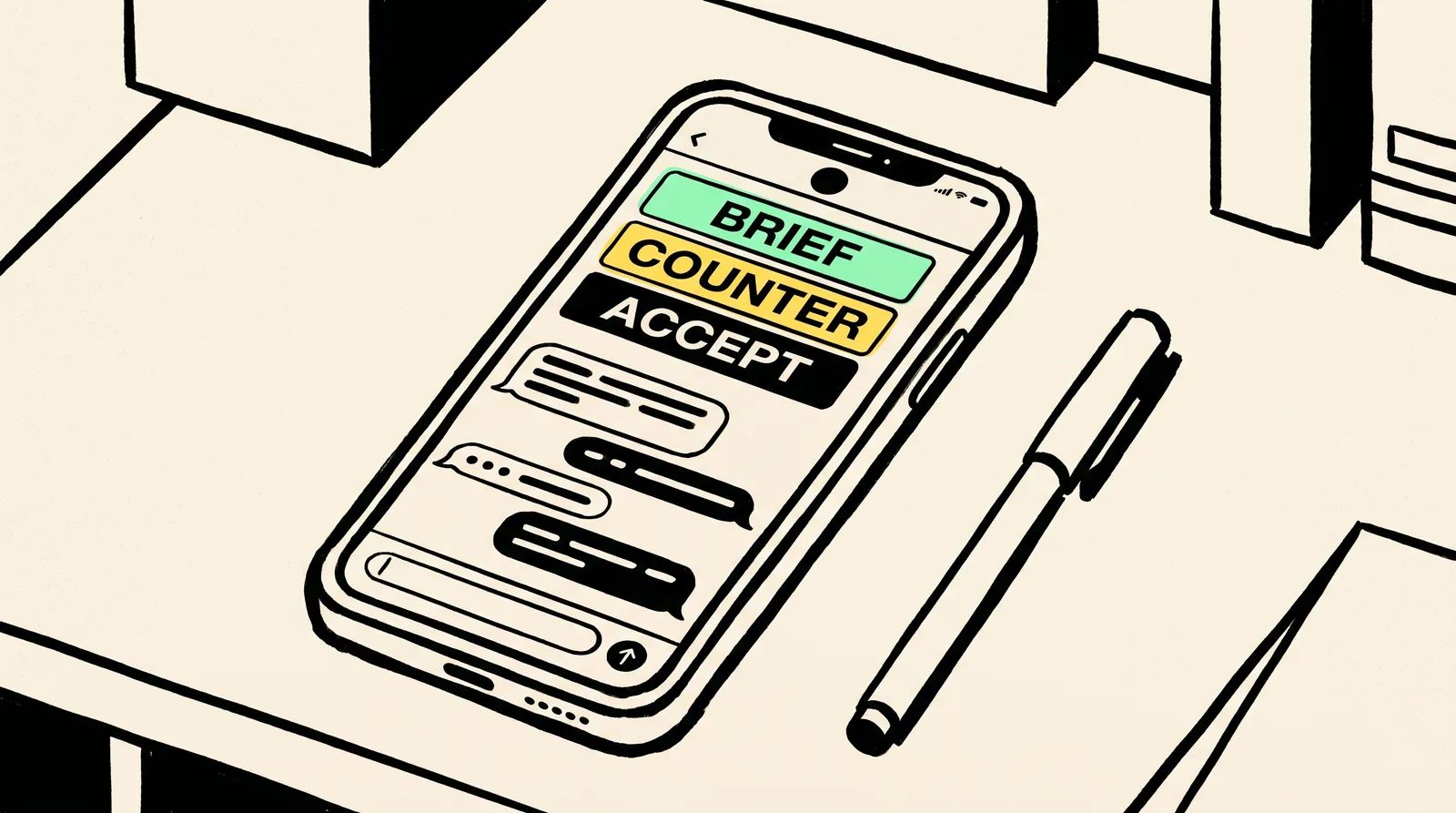
Pros, in order of how often brands name them when they switch:
- Pricing transparency. Creator's rate is the rate. No agency markup hidden in the line item.
- Speed. Brief → live in 48 hours is normal. Agencies average 7–10 days for the same workflow.
- Roster breadth. The marketplace pre-vets 10× more talent than any agency carries on their books.
- Audit trail. Every message, offer, counter, and deliverable lives in one place. Useful when the campaign wraps and somebody asks who said what.
Where agencies still win
Be honest: agencies aren't dead. They're the right call when:
- You're running > 20 campaigns a year and the project-management cost would consume an internal hire either way.
- You need strategic creative work — the brief itself is the deliverable.
- You're in a regulated category (pharma, alcohol, financial services) where exclusivity windows and compliance review require dedicated humans.
- You're running celebrity-tier talent where the negotiation is the work.
For the SMB running a quarterly product launch with 3–8 creators per campaign, none of that applies. The marketplace math is simply better.
The hybrid that doesn't actually work
Some agencies position themselves as "tech-enabled" with a roster app. In practice that's a CRM with a logo, not a marketplace. You still pay the agency fee, you still only see the talent the agency curates for you, and the "platform" is read-only. If your shortlist process is "ask the account manager what they recommend," you have an agency — not a marketplace.
How to test before you commit
Run the next campaign on a marketplace. Brief it yourself. Time how long brief → live takes. Tally the total spend. Compare to your last comparable campaign through an agency.
If the marketplace number is >15% lower and the campaign performance is within margin of error, you have your answer for the next year of bookings. If it's worse, you learned something about your own briefing — which is worth knowing regardless of which side you end up on.