Retainer vs project creator budgets: Bangkok brands 2026
By Mai Influence
Most Bangkok SMBs still default to project fees when they book creators: one brief, one post, one invoice, done. That default is fine for a product launch, and it quietly bleeds budget once the brand runs more than three briefs a quarter with the same creator pool. Retainers are the obvious fix on paper, but they also hide traps that only show up around month four. This post is the honest comparison, with Bangkok THB figures from the Mai Influence roster in 2026, so you can pick before you sign anything.
What each model actually buys you
A project fee in Bangkok in 2026 buys one deliverable, one revision round, and a usage window of 30 to 90 days. Typical nano-tier (5K to 20K followers) rate for one Instagram Reel plus one carousel sits at 12,000 to 20,000 THB. Micro-tier (20K to 100K) runs 25,000 to 55,000 THB for the same bundle. Macro-tier (100K+) starts around 80,000 THB and climbs fast once the follower count crosses 300K. Our Instagram post rate guide has the full breakdown by platform and tier.
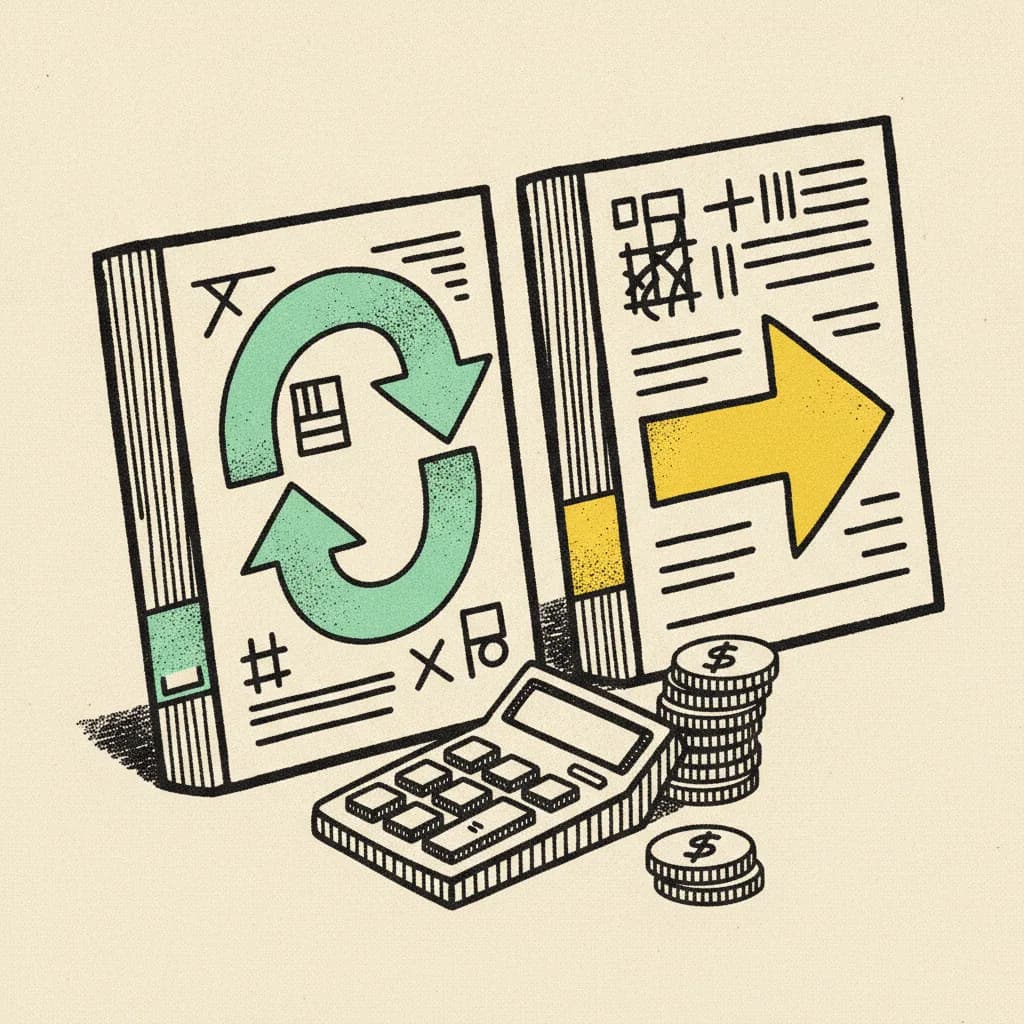
A retainer in the same market buys a monthly block of deliverables, usually 2 to 4 pieces, at a 10 to 20 percent discount against the project-fee stack. The retainer also buys priority in the creator's calendar, a locked rate card for the term, and almost always a first-right-of-refusal on category-adjacent briefs. Standard terms in Bangkok are quarterly (3 months) or half-yearly (6 months), paid monthly in advance.
The difference that matters is not the discount. It is who absorbs the planning overhead. On projects, the brand repeats brief, negotiation, and onboarding every single time. On retainers, that overhead collapses into a single kickoff.
The break-even math for a Bangkok SMB
Here is the math we see most often with mid-market Thai brands running creator spend in the 150,000 to 500,000 THB per month range.
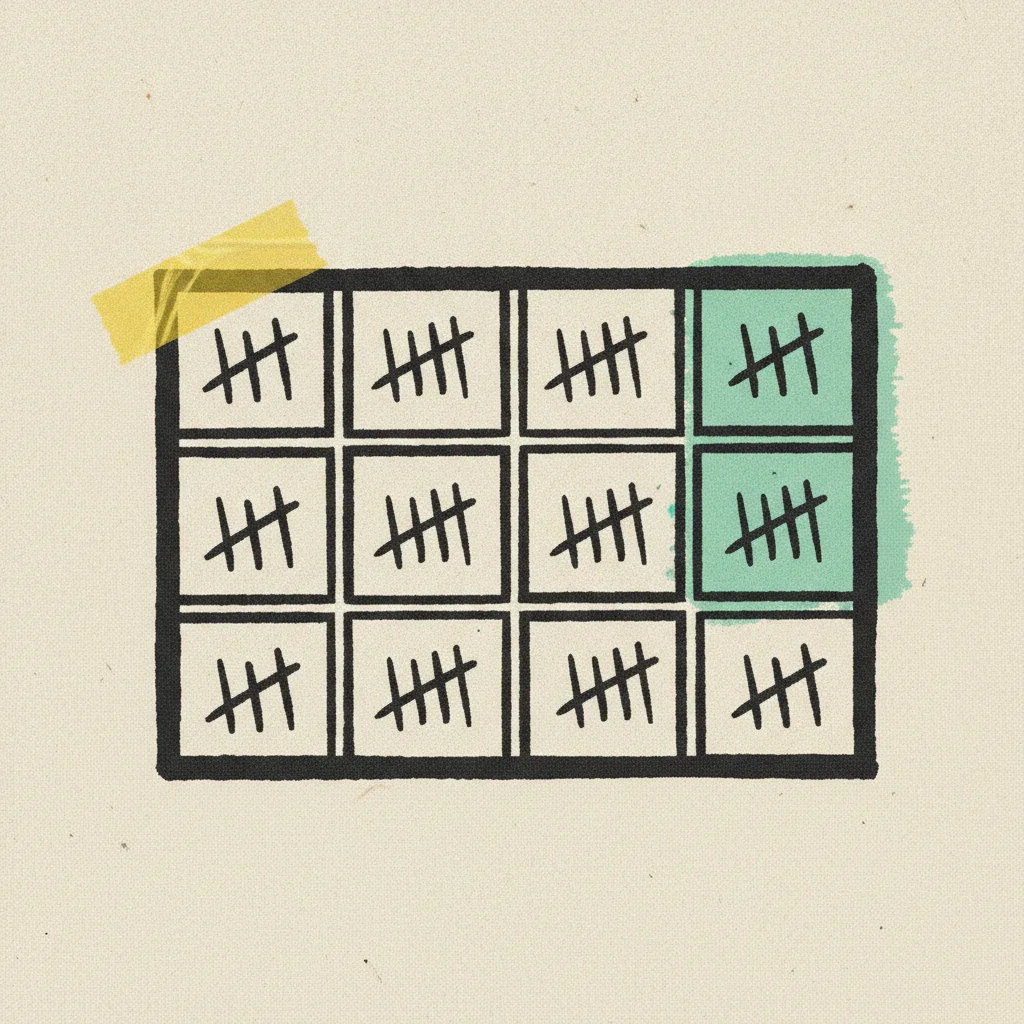
Say you book a Bangkok micro-creator at 40,000 THB per bundle on a project basis. You run that same creator four times in a quarter. Your gross spend is 160,000 THB plus roughly 10 hours of internal campaign management per booking (brief, approvals, reporting). At a loaded Bangkok marketing-coordinator cost of 500 THB per hour, that is 20,000 THB of internal time, so 180,000 THB total.
The same four bundles on a quarterly retainer land at a 15 percent discount: 34,000 THB per bundle, or 136,000 THB in creator fees. Internal time collapses to about 12 hours across the quarter because the brief template, usage rights, and reporting format are agreed once. That is 6,000 THB of internal time, so 142,000 THB total. Net saving: 38,000 THB per creator per quarter, roughly 21 percent off the project-model number.
Multiply that by three creators in a steady roster and you are looking at 114,000 THB saved per quarter without touching output volume. That is the single strongest argument for retainers for SMBs with a predictable always-on cadence, and it is exactly the pattern our always-on vs burst analysis warns you to look for before locking in.
If your creator spend is already repeating three or more bundles per quarter with the same person, the retainer saves you around a fifth of the cost. If it is repeating fewer than three, the retainer is just paying for optionality.
When the retainer loses
Retainers are not free money. They lose cleanly in four situations.
- Volatile briefs: if the product line shifts quarterly or the brand voice is still being set, retainers lock you into a creator whose fit may expire before the term ends.
- Testing phase: pre-product-market-fit SMBs need to test 5 to 8 creator profiles against the same brief. Retainers kill that A/B muscle.
- One-off launches: a single Songkran or 11.11 spike does not justify a retainer. Pay the project premium, bank the flexibility.
- Agency overlap: if an agency is already running always-on creator spend, a parallel brand retainer with the same creator becomes a conflict-of-interest headache and sometimes a double-fee.
The honest middle: retainers work when your creator pool is already stable, your brief template is already agreed, and your approvals chain is below three people. If any of those is still fluid, run two more project cycles first, then revisit.

What to put in the Bangkok retainer paper
The retainer only pays off if the paper is tight. The non-negotiables we see hold up in Thai brand reviews:
- Deliverable count and format: specify platforms, formats, and shoot days per month. Do not use the word "content" without a count attached.
- Usage window and whitelisting flag: default to 90-day organic, 60-day paid, with a separate line item if you want to boost. The usage rights pricing guide covers the extra fees.
- Revision cap: two rounds per deliverable, extra rounds billed at 1,500 to 3,000 THB each. Open-ended revisions are the single biggest retainer-killer in Bangkok.
- Exclusivity clause: whether the creator can accept category-adjacent briefs during the term, and what the carve-outs are. Pin this one down before signing.
- Exit clause: 30-day written notice, pro-rata refund on unused deliverables. Non-negotiable.
- Rate review trigger: price locked for the term, auto-review at renewal. Protects both sides from midpoint renegotiation.
Reporting cadence is the final line we see brands skip. Monthly post-campaign summaries matter even more on retainers because the brief is loose. Our post-campaign report template gives you the format we use with brands on the Mai Influence platform.
The default we recommend to Bangkok SMBs
Start with projects. Run three to four cycles. Measure which creators are hitting your cost-per-engaged-view targets. Then convert the top two into quarterly retainers, keep the rest as project bookings, and leave 20 percent of your monthly creator budget free for one-off tests. That split captures the retainer discount on your proven partners without starving the testing pipeline, and it mirrors the nano-micro-macro mix logic most Bangkok mid-market brands end up at by month six.
If you want help modelling that split against your own numbers, book a brand call and we will run the math on your last three campaigns.