Booking a creator squad for a Bangkok drop, 2026
By Mai Influence
Most Bangkok SMBs run a product drop through one hero creator and hope the algorithm carries the rest. The brands that consistently sell out inside the launch week book a squad instead: four to eight creators, sequenced across seven to ten days, briefed off the same spine but shot in their own voices. It is a different discipline to booking one creator with a bigger budget, and the failure modes are different too.
This is how we scope squad drops on the Mai Influence roster in 2026. Every number below is a Bangkok mid-market range, not a global average. If the drop is nationwide, add roughly 30% to the totals for the extra regional creators; if it is Bangkok-only, the ranges hold.
What a squad actually buys you
A single hero creator gives you one interpretation of the product. That interpretation is either right or wrong, and you find out in the first 48 hours whether the audience bought it. A squad of five gives you five interpretations at once, which is worth the extra logistics for two reasons. The first is coverage: five different audience slivers see five different framings, and the drop lands in feeds that a single hero would never have reached. The second is signal: by day three you can see which of the five framings is pulling comments, saves, and DMs, and the remaining posts in the schedule can be nudged toward that framing before they go live.
The trap is thinking a squad is just five hero deals stapled together. It is not. The individual creator budgets shrink, the brief carries a shared spine, the posting dates are locked before anybody shoots, and the reporting rolls up as one campaign, not five. Brands that price a squad at 5x a single hero rate usually end up disappointed by each individual post because they were measuring each against the wrong benchmark.
Squad size and tier mix

The shape that consistently works in Bangkok for a product drop is a shallow pyramid with the base doing most of the work.
- Base layer, 3 to 5 creators. Nano and micro (1,000 to 50,000 followers). Category-adjacent, high comment-to-like ratios, honest voices. This layer is where the framing signal comes from. The nano creators guide has the current rate bands; expect 3,500 to 12,000 THB per post at this tier for a squad slot.
- Middle layer, 1 to 2 creators. Mid-tier (50,000 to 250,000 followers) with audience overlap that maps to the product category. Rate band 18,000 to 55,000 THB per post. Their job is credibility, not reach.
- Top, 1 creator only. One mid-macro or macro creator (250,000+) as the anchor. Rate band 60,000 to 180,000 THB depending on category and format. If the drop is a beauty or F&B product, the anchor almost always pays for itself. For B2B, dev tools, or fintech, the anchor is optional and the budget usually reallocates to two more middle-layer posts.
The squad size ceiling for a single drop is eight. Above eight, cohesion collapses because the base layer starts posting the same visual angles by accident, and the audience starts noticing. Below four, you do not have enough posts to test framing, and you may as well book a single hero.
Total budget bands and where the money actually goes
A Bangkok squad drop in 2026 for a mid-market SMB lands between 180,000 and 520,000 THB all-in. That is post fees, product seeding, one shared shoot day if you run one, whitelisting on the anchor post, and the wrap report. The wrap report guide has the deliverable spec that stops the squad reporting from turning into five separate PDFs.
Rough split for a 180,000 THB squad:
- Base layer, four creators at 8,000 THB each: 32,000 THB.
- Middle layer, one creator at 35,000 THB: 35,000 THB.
- Anchor, one macro at 85,000 THB: 85,000 THB.
- Whitelisting spend on the anchor post: 20,000 THB.
- Shared shoot day and product seeding: 8,000 THB.
Rough split for a 520,000 THB squad:
- Base layer, five creators at 11,000 THB each: 55,000 THB.
- Middle layer, two creators at 45,000 THB each: 90,000 THB.
- Anchor, one mid-macro at 160,000 THB: 160,000 THB.
- Whitelisting spend across anchor and one middle post: 130,000 THB.
- Shared shoot day, seeding, and category-specific location fee: 85,000 THB.
Two things that always come out of the wrong line. First, do not fund the anchor by shrinking the base. The base is the framing engine and cutting it below three creators kills the signal you paid the squad shape for in the first place. Second, do not fund the whitelisting spend out of the creator fees. Whitelisting is media, not talent, and mixing the lines is where invoicing fights start in month two.
Posting cadence and the seven to ten day window
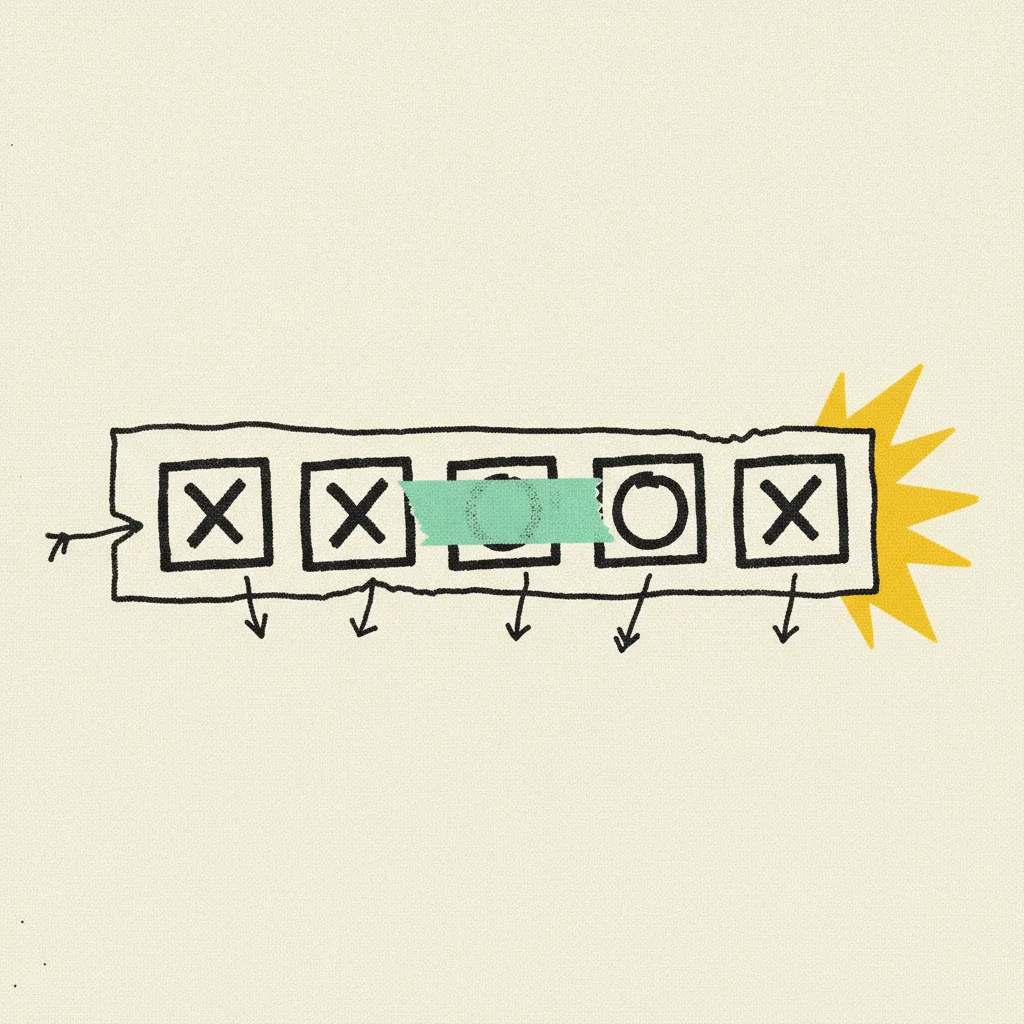
A squad drop lives or dies on the posting cadence. The instinct is to blitz all posts on day one to maximise reach; the correct move is to space them across seven to ten days so the signal from the early posts can inform the later ones.
The cadence that lands in Bangkok:
- Day 0. One base-layer post goes live to test framing. No paid amplification yet.
- Day 1. Two more base-layer posts in different formats (one Reel, one carousel).
- Day 3. Middle-layer post, incorporating whichever framing pulled the most comment volume on days 0 to 1.
- Day 5. Anchor post from the macro creator. This is the reach compression moment, and whitelisting kicks in the same hour.
- Day 7 to 10. Remaining base-layer posts as continuity, plus the second middle-layer post if the squad is at the larger end.
That spacing is the entire point of the squad shape. It also decides the timing of the retail push: the anchor post at day 5 should land inside 48 hours of the retail calendar moment the drop is aimed at, not two weeks before or after. Get the calendar overlay wrong and the anchor spend is doing reach for a moment that has not arrived yet.
Cohesion without matching outfits
The hardest part of squad orchestration is keeping the posts cohesive without making the base layer look like they read from the same script. The audience notices the pattern immediately and the framing signal collapses to zero the moment it feels coordinated.
The rules that hold up on the roster:
- One product angle per creator, not one script. The brief lists five angles (the pain point, the price story, the ingredient story, the format story, the use-case story). Each creator picks the angle that fits their existing content, not the one you would pick for them.
- A single shared prop or setting element. One physical prop, one location detail, one recurring caption phrase. Not three. One is a signature, three is a script.
- No creative approval on the base layer beyond the fact-check. The creative control piece has the argument in full: over-approval on a squad is what makes the whole thing look coordinated. Approve the anchor tightly, approve the base layer for accuracy only.
A squad works when the posts feel like five people happened to notice the same product in the same week. It stops working the moment it feels like five people were paid to notice.
Exclusivity, usage rights, and the boring clauses
Three clauses in the brief have to be squad-aware, not creator-aware.
- Category exclusivity for the squad window plus 30 days. All squad members are locked out of competitor products for the drop week and the month after. Rates go up 10 to 15% for this clause; refuse the clause on any creator who will not accept it. The exclusivity clauses guide has the language.
- Squad-wide usage rights window, not per-post. One 12-month paid usage window covering all squad posts, not five separate windows negotiated individually. This is a rounding-error saving on the base layer and a substantial saving on the anchor, and it stops the whitelisting from expiring on different dates.
- A no-substitution clause on the anchor. The macro creator cannot swap a manager or a stand-in without written approval. Substitutions on the anchor mid-window are where squad drops break most publicly.
When a squad is the wrong shape
Skip the squad and book a single hero if any of the following are true. The product is a limited numbered drop under 500 units, in which case one anchor plus paid amplification outperforms the squad every time. The category is regulated (alcohol, supplements, financial products) and briefing five creators multiplies the compliance surface area past the point the campaign is worth. Or the budget is under 150,000 THB, in which case a squad thins the individual rates to the point creators will not take the slot seriously and the base layer collapses.
Also skip the squad shape if the brand has never run a single-creator campaign before. Squad orchestration piles a coordination problem on top of a briefing problem, and the coordination problem is the one that eats the budget when the briefing problem has not been solved yet. Run one clean hero campaign first, then squad on the follow-on drop.
The line to hold on squads
A creator squad is a shape, not a headcount. Four to eight creators, one shared spine, staggered posting across seven to ten days, one anchor at day five, one wrap report at the end. The brands running drops through the marketplace in 2026 that consistently clear their launch-week targets are the ones that treat the squad as one campaign with five voices, not five campaigns that happen to share a product. Book the squad before you write the brief and the rest of the maths falls into place.