TikTok Shop affiliate vs flat-fee: what nets more per hour
By Mai Influence
You get a brand DM on Monday offering 12,000 THB for one TikTok. On Tuesday a skincare label invites you to their TikTok Shop affiliate programme with a 15% commission and no upfront. Both take roughly the same shoot day. Which one actually pays you more per hour worked?
The honest answer is: it depends on your tier, your niche, and how brutal you are about tracking hours. The dishonest answer, which most agencies will feed you, is that affiliate is passive income. It is not. It is unpaid sales work with a lottery ticket attached.
The per-hour maths nobody runs
Start with the number that matters, which is not the payout. It is payout divided by hours. That includes concept, shoot, edit, revisions, replies to comments, and the follow-up posts you have to keep pushing so the algorithm keeps serving the video.
A flat-fee TikTok in Bangkok in 2026 typically runs:
- Nano tier (5K to 20K followers): 3,500 to 8,000 THB per post, top quartile 10,000 THB.
- Micro tier (20K to 100K): 12,000 to 25,000 THB per post, top quartile 35,000 THB.
- Macro tier (100K+): 40,000 to 90,000 THB per post, top quartile 150,000 THB.
Now hours. A single branded TikTok, done properly, is 6 to 10 hours end to end. Concept 1 hour, shoot 2 to 3 hours, edit 2 to 3 hours, brand revisions 1 to 2 hours, posting and comment management 1 hour. Call it 8 hours as a working average.
That gives you a flat-fee per-hour range of:
- Nano: 440 to 1,000 THB per hour, top quartile 1,250 THB.
- Micro: 1,500 to 3,125 THB per hour, top quartile 4,375 THB.
- Macro: 5,000 to 11,250 THB per hour, top quartile 18,750 THB.
Hold those numbers. Every affiliate comparison you run gets measured against them. You can price your own briefs against these bands using the calculator in your free creator profile on Mai Influence, which lets you save the rate card you actually charge.
What TikTok Shop actually pays out
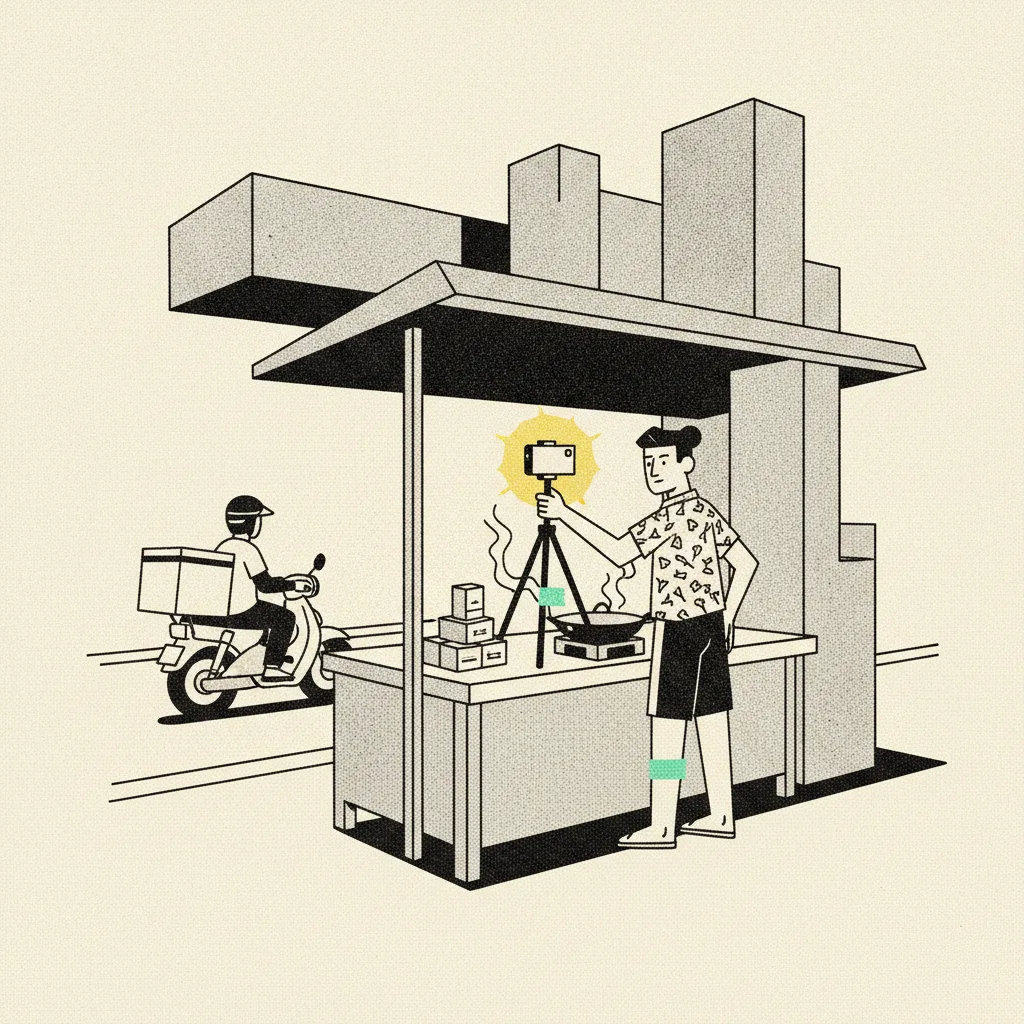
TikTok Shop commissions in Thailand in 2026 sit in a 5% to 20% band. Beauty and skincare cluster at 15% to 20%, fashion at 10% to 15%, home and gadgets at 5% to 10%. Some brands run a boosted first-week rate that steps down after seven days. Read the fine print.
Now the real question: what does a single TikTok Shop video sell? Median video revenue for a Bangkok micro-tier creator (20K to 100K followers) doing one product-focused video is roughly 8,000 to 25,000 THB in gross merchandise value over 30 days, provided the product has price parity with Shopee and Lazada. Nano tier median: 2,000 to 7,000 THB GMV. Macro tier median: 40,000 to 200,000 THB GMV, wildly dependent on category.
Apply commission. Micro tier on 15% commission earns 1,200 to 3,750 THB per video over 30 days. On a per-hour basis, against the same 8-hour production, that is 150 to 470 THB per hour. Compare to flat-fee micro at 1,500 to 3,125 THB per hour. Flat-fee wins by roughly 5 to 10x for the median creator.
The top quartile of affiliate videos is where the story flips. A viral TikTok Shop video that pulls 200,000 THB GMV at 15% pays 30,000 THB. Divide by 8 hours and you are at 3,750 THB per hour, comparable to a solid micro-tier flat fee. A rare six-figure baht payout puts you above almost any flat fee. But by definition, that is the top quartile. Median creators do not budget on it.
When affiliate does beat flat-fee
Three scenarios flip the maths in your favour:
- You already film the category. If skincare hauls are your normal content, adding an affiliate SKU costs almost no incremental hours. The denominator shrinks and per-hour rockets.
- The product genuinely converts. A cult item at a real discount, in your actual niche, tracked with a code. Ask the brand for last month's affiliate top-line before you sign. If they will not share, that is your answer.
- You get an evergreen link. Some Bangkok brands let TikTok Shop videos keep earning for 60 or 90 days after posting. Every incremental sale after week one is pure margin against your fixed production hours.
If none of those three apply, the affiliate offer is worse than a flat fee for the median Bangkok creator. Say no or ask for both: a smaller upfront flat fee plus a commission tail. Hybrid deals are increasingly common and brands will float them if you ask.
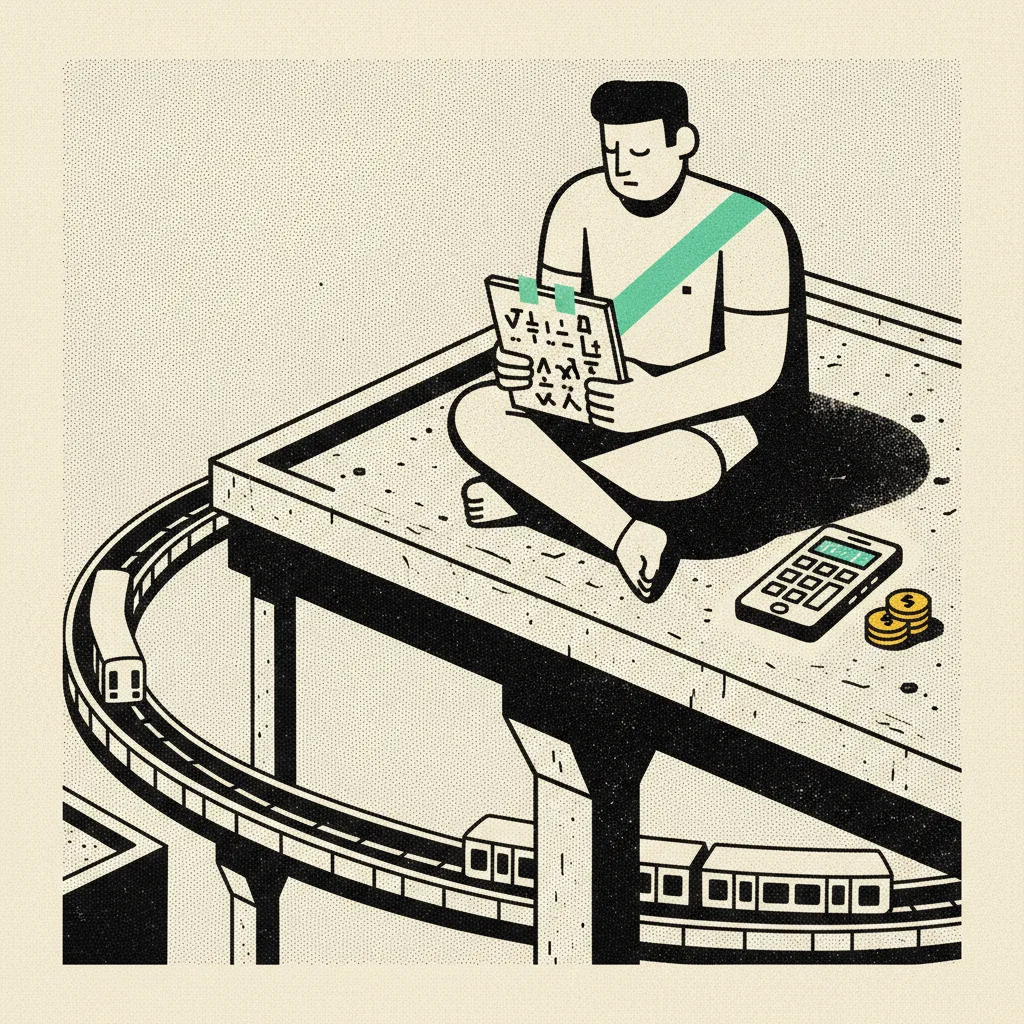
Affiliate is not passive income. It is unpaid sales work with a lottery ticket attached. Price it that way, or negotiate a floor.
The hybrid deal you should be pitching
Ask for a base flat fee at roughly 40% of your normal rate, plus your commission on top. On a micro-tier post that would normally clear 20,000 THB flat, you accept 8,000 THB upfront plus 15% commission. Your downside is now 8,000 THB guaranteed. Your upside is uncapped. The brand gets a lower headline number and an incentivised creator. Both sides win.
If a brand refuses any base and insists on pure commission, treat it exactly like a spec brief and price accordingly. Which is to say, only shoot it if the product is in your normal content rotation and would have cost you nothing extra to produce. Never build a fresh shoot around a pure-commission ask.
The rule of thumb worth memorising
Pure commission needs a top-quartile outcome to beat a median flat fee. Median outcomes lose by 5 to 10x. Track your first three affiliate payouts, compute your real per-hour number, then decide whether to keep accepting them or push every future offer toward a hybrid. Your rate card is a living document, not a decision you made once.