Threads creators in Bangkok in 2026: what to pay
By Mai Influence
Threads landed in Bangkok in mid-2023 as a Twitter-in-crisis defector app and by 2026 it has become something else: a text-first surface that Meta cross-wires with Instagram and quietly funnels ad dollars into. The Thai user base has grown past 8 million monthly actives, weighted young, English-tolerant, and unusually willing to reply. That last part is what makes Threads a creator channel and not a broadcast one, and it is also what breaks most brand briefs that treat it like a Reels clone.
Every serious Bangkok brief now needs a position on Threads. Skipping it is a defensible call for some categories; treating it as a free bonus post attached to a Reels booking is not. This post is the third leg of the Instagram Stories vs Reels decision, because the same creator, the same account, and the same follower base price Threads posts on entirely different logic.
What a Threads post actually is
A Threads post from a Bangkok creator in 2026 is one of three shapes, and the rate card should always ask which one you are buying.
- Standalone text post. The creator writes 200 to 500 characters in Thai or Thai-English, with or without an image, and lets the reply thread build for 48 hours.
- Reply-thread anchor. The creator posts a hook and then seeds the first three or four replies themselves, engineered to trigger the audience into piling on.
- Cross-posted from Instagram. The creator publishes a Reel or a Story caption on Instagram and Meta's native cross-post pipes it into Threads. Cheap, but the format almost always underperforms because a caption written for a video reads flat as a text post.
The middle one, the reply-thread anchor, is the shape that carries brands. Threads' algorithm still weighs reply depth more heavily than any other Meta property, and a thread that gets 40 first-level replies will outreach a Reel from the same account for the next 72 hours.

THB ranges that hold up in 2026
Threads rates on Mai Influence in 2026 still price roughly 40 to 60 percent below a comparable Reel from the same creator, but that gap is narrowing every quarter as the platform gets its own retention numbers. The bands accepted offers cluster around right now:
- Nano tier, under 10k Threads followers. 2,500 to 6,000 THB for a single seeded post with a two-day reply monitoring window. The window matters; without it the creator posts and vanishes.
- Micro tier, 10k to 50k. 7,000 to 18,000 THB for the same shape. A three-post series (hook, mid-thread callback, closer) sits at 15,000 to 30,000 THB and outperforms most single-shot briefs by a wide margin.
- Mid tier, 50k to 200k. 22,000 to 55,000 THB for the seeded post, or 40,000 to 90,000 THB for a genuine reply-farmed anchor with the creator responding to the top 20 replies in-character.
- Macro tier, 200k+. 60,000 to 150,000 THB, but at this tier the reply engagement often drops as a percentage; a mid-tier reply-farmer will usually beat a macro announcement post for the same brand spend.
The single most-mispriced Bangkok Threads line item is the reply time. A creator who posts and disappears is selling you a Tweet from 2018, not a Threads brief. The reply-monitoring hours are worth 30 to 50 percent of the total post fee, and they should be spelled out in the offer.
Cross-posting: cheap, and usually worth what you pay
Meta's Instagram-to-Threads cross-post flow is the easiest thing to bolt onto an existing Reels brief and the hardest to make land as branded content. The caption a creator writes for a Reel is optimised for a video that is already playing; drop it into Threads as standalone text and the hook collapses.
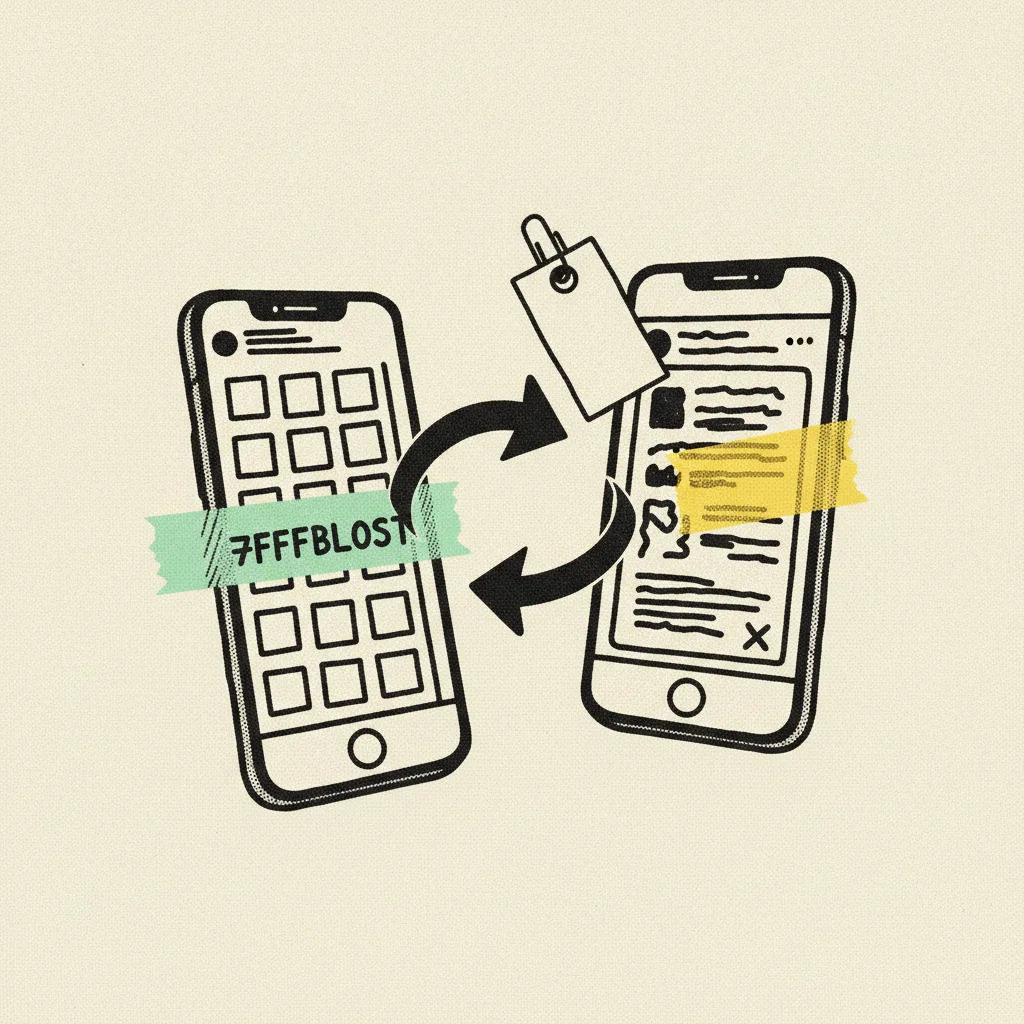
Two rules that stop the waste:
- If the brief includes cross-posting, buy a rewritten Threads caption as a separate line item. 1,500 to 4,000 THB depending on tier. That is the cost of the post actually reading like it belongs on Threads.
- Do not pay for a cross-post as a standalone Threads deliverable. It is a Meta setting, not creative work. If the whole Threads line item is a cross-post, the brief has a Reels deliverable and a checkbox, not two posts.
Where Threads beats Reels in Bangkok
Three brief shapes where Threads earns the swap out of Reel budget:
- Category-opinion posts. Skincare debates, restaurant hot-takes, tech launch reactions. The reply thread is the content; a Reel on the same topic dies unwatched.
- Community brands. F&B chains, indie retailers, hobby categories where the audience is used to talking back. Roots Cafe, Tops, any of the district-loyal brands (Ari, Ekkamai, Onnut) are natural Threads homes.
- English-Thai bilingual copy. The 20-to-30 Bangkok demographic on Threads code-switches mid-sentence and rewards posts that do the same. This ties back to our bilingual creators post; the upcharge is real and it earns out on Threads faster than on Reels.
The flip side, and this is the honest bit: any category that needs a produced video (fashion drops, automotive walk-arounds, food overhead shots) should keep its budget in Reels or TikTok. Threads is a text platform with photo support. Treating it as anything else is why so many 2025 briefs came back with soft numbers.
The honest test: if your category thrives on being argued about, buy Threads. If it thrives on being watched, keep the money in Reels.
The reply-farm trap
The single biggest way a Bangkok Threads brief burns money in 2026 is by paying for engagement that is engineered by the creator's own alt accounts or a paid-reply pod. This is not paranoia; it is common enough that platform trust and safety flagged it in Q4 2025 and started downranking obvious pods.
Signals to check in the wrap report:
- Reply accounts are not majority-Thai or majority-in-the-creator's-follower-graph. A quick spot-check of the top 20 replies is enough.
- Replies land in tight clusters (five in the first minute, then nothing). Real reply threads grow in waves over the 48-hour window.
- Reply content is generic ("love this!!" repeated). Real replies argue, ask questions, or share personal takes.
If any of the three trip, the wrap report should reflect it and the next brief with that creator should renegotiate downward. The wrap report template already has fields for reply-graph screenshots; use them.
The brief lines that stop the waste
Steal these:
- Specify reply-monitoring hours in the offer, not the post fee. "48 hours of active reply engagement, minimum 15 first-party responses from the creator" is a line item you can actually enforce.
- Ban pod replies explicitly and tie the kill fee to it. A pod-farmed thread is a broken deliverable, not a soft one.
- Ask for a cross-post opt-out on any post you are paying full price for. If the creator's Instagram audience overlaps 80 percent with their Threads audience, a cross-post doubles nothing and dilutes the reply graph.
- Lock the hook language in advance, and let the replies be freestyle. Threads dies when the whole thread is scripted; the anchor is the brief, the replies are the creator's craft.
- Screenshot proof of the reply graph goes in the wrap report inside seven days. Without it the post is unreviewable, and the next brief has no baseline to price against.
What we book it as on Mai Influence
Threads briefs route through the standard offer flow with two extra fields: reply-monitoring hours and cross-post opt-in. Escrow holds the post fee until the initial post lands, and a second milestone releases on the reply-window screenshot. If the offer includes a rewritten cross-post caption or a paid Instagram bolt-on, that sits on its own line so nothing collapses when a single deliverable slips.
Threads is not going to replace the Bangkok Reels line in 2026. It is going to replace the third Reel in your quarterly plan, the one that never really earned its keep, and it is going to do it for less money if the brief specifies what the reply window is actually paying for.