NDAs with Bangkok creators in 2026
By Mai Influence
Most Bangkok creator briefs do not need an NDA. A launch date, a new SKU, a rate card, a set location: none of that is a trade secret. The signature adds a week to the timeline and gives you nothing you would not already win in small-claims court. But some briefs do need one, and the ones that do usually get the wrong version signed.
This post is the honest middle. When an NDA with a Bangkok creator earns its keep in 2026, what clauses hold under normal Thai contract practice, what THB penalty numbers actually deter a leak, and the three shapes we see most often on the Mai Influence marketplace when a brand insists on paper before the brief goes out.
When an NDA is worth the friction
Four situations are worth the extra step. A pre-launch product still under embargo where the ship date is more than fourteen days out. A campaign built on a specific unreleased asset, such as a jingle, a mascot redesign, or a private landing page URL. A partnership with a co-brand that has its own approval chain, most often a listing at Tops or a promotion tied to 7-Eleven. And a paid comparison against a named competitor, where the deck or brief contains that competitor's pricing.
Everything else is overkill. The rate you are paying the creator is not confidential in any useful sense: their manager, their accountant, and the next brand pitching them will all know within a month. Your internal engagement-rate benchmarks are already public if the creator's account is public; scrapers cost less than lunch. If your brief only feels sensitive because it uses the word "strategy" nine times, it is not sensitive. See our brief writing guide for how to strip the theatre out.
The test we use internally: could a competitor act on this information in a way that costs us more than 200,000 THB before the campaign goes live? If yes, get the NDA signed. If no, ship the brief and move on.
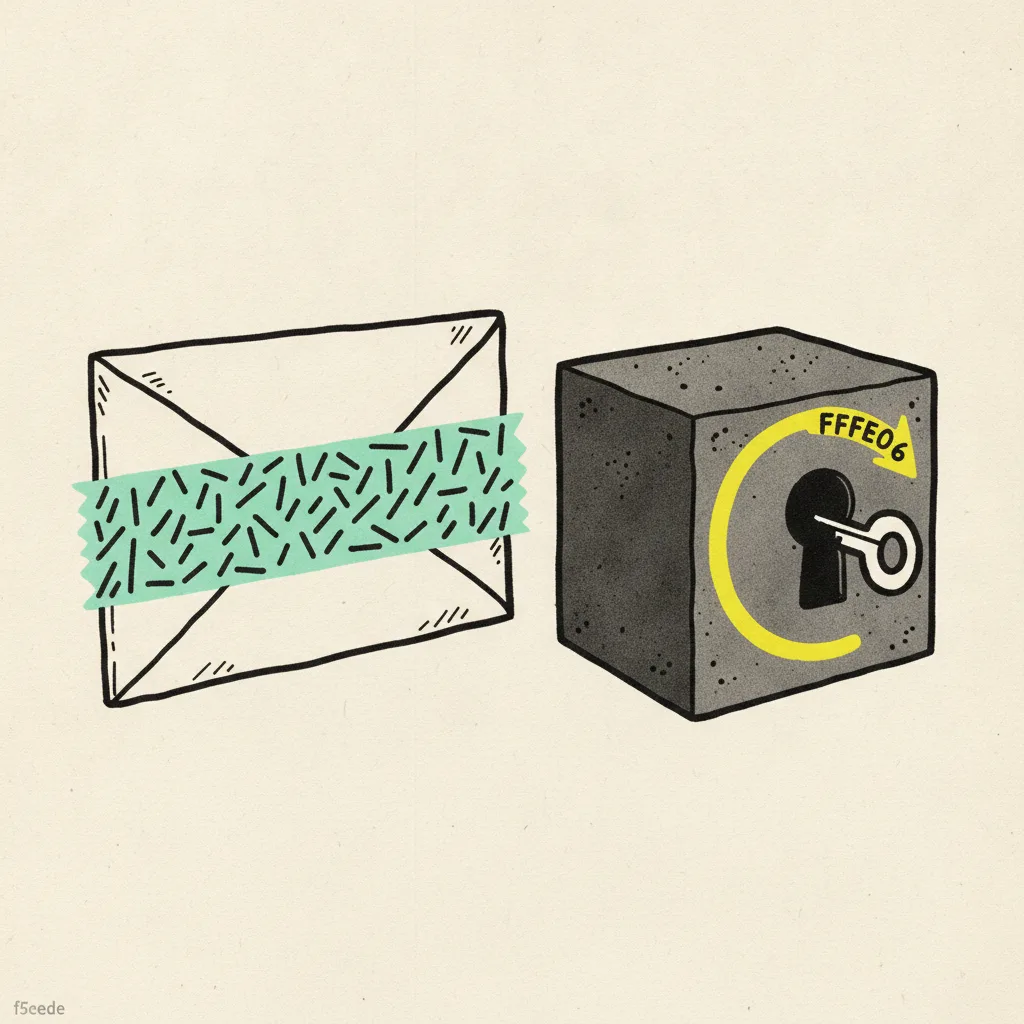
What actually holds under Thai practice
Thai courts enforce NDAs. What they do not enforce well is a fifty-page US-style template dropped in front of a Bangkok creator by a foreign brand's legal team. The three practical filters:
- Bilingual English and Thai text, signed side by side, with a clause saying the Thai version governs in case of conflict. Not because English is invalid, but because a court will read the Thai. If the creator's talent manager pushes back on this, that is a reasonable request, not a red flag.
- A defined term for "Confidential Information" that lists categories rather than "anything shared". A judge will not enforce "anything the brand later decides was sensitive". They will enforce "the launch date, the SKU photography, the retail partner name, and the media plan attached as Schedule A".
- A defined term of protection, usually twelve or twenty-four months from the campaign end date, not perpetual. Perpetual NDAs are common on foreign templates and Thai courts routinely narrow them at enforcement. Ask for what you need, not the maximum.
The penalty clause is where most templates fall apart. A "reasonable damages to be determined by the courts" line is worth almost nothing in Thailand. A liquidated damages figure, expressed in THB with a plain calculation, holds. Common shapes in 2026: 100,000 to 300,000 THB per confirmed leak for a nano or micro creator, 500,000 to 1,500,000 THB for a macro creator on a launch tied to a public retail partner. Higher than that and you will spend the money proving loss instead of collecting.
What to put in, what to leave out
A tight Bangkok creator NDA is two pages. The must-haves:
- Parties, with the creator's legal name from their national ID, not the handle. Handles change; ID numbers do not.
- Confidential Information, defined by list and by Schedule A attachment.
- Term, twelve or twenty-four months from campaign end.
- Carve-outs for anything already public, anything the creator knew before the brief, and anything a court compels them to disclose.
- Penalty, in THB, per breach, with a plain calculation.
- Governing law and venue, Thai law, Bangkok courts.
- Signature blocks in both languages, wet ink or a Thai-compliant e-signature such as DocuSign with the Thai address on file.
What to leave out: non-compete clauses dressed up as NDAs. Creator exclusivity is a separate deal with its own price. Bundling it into the NDA at zero cost is the fastest way to have the whole document ignored. Also skip anything about intellectual property; that belongs in the usage rights section of the main agreement, not the NDA.
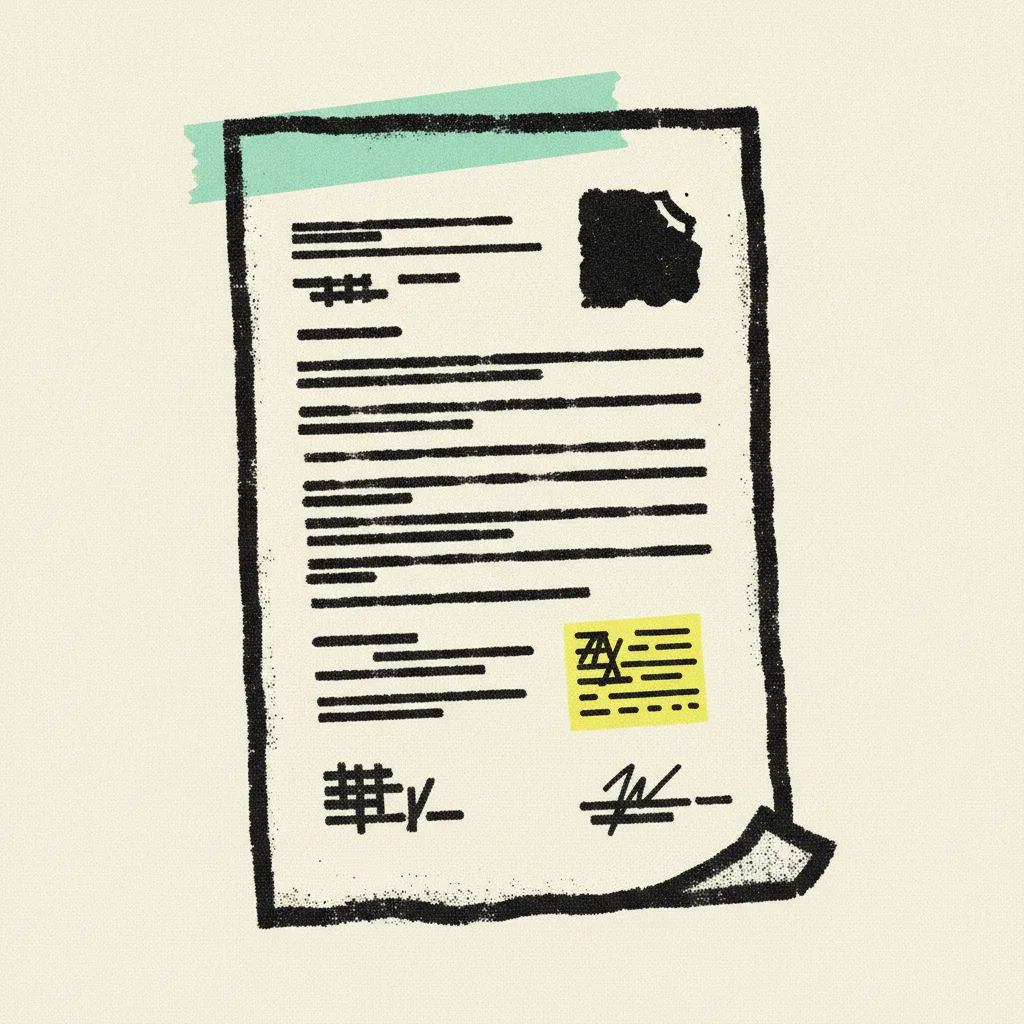
Timing and negotiation
Send the NDA before the brief, not with it. A creator who receives brief plus NDA in the same message will read them as one document and negotiate the fee up 10 to 20 percent to compensate for the added risk. Send the NDA on its own, ideally two working days before the brief, and treat the signature as a gate rather than a formality. If the creator refuses, that is data: either the brief is not important enough to justify the friction, or the creator is not the right fit.
Expect the following three negotiations. First, term length: creators often push back on twenty-four months and settle at twelve. That is fine unless the launch is tied to a multi-quarter roadmap. Second, penalty size: expect a counter of roughly half your opening figure. Third, the definition of "leak". Reposting the sealed brief in a group chat is a leak; casually mentioning "I'm shooting for a snack brand next month" is not. Write the definition so both sides agree.
An NDA that has never been enforced is a piece of theatre. Sign the ones you would actually litigate; skip the ones you would not.
The best signal that your NDA is fit for purpose: your own legal team would advise you to file if it were breached. If the answer is "we would send a stern email", you did not need the paper. If the answer is "we would file in Bangkok court within thirty days", the document is doing its job.
The marketplace shortcut
On Mai Influence, brands can attach an NDA template to the brief itself. The creator sees the document before sending an offer, signs it inside the platform if they want to proceed, and Stripe escrow only releases once both the NDA and the deliverable are in place. That removes the two-day gap between paper and brief, and it removes the awkward conversation about who drafts. The default templates ship in Thai and English, with the penalty amount as the only field a brand needs to fill in.
For the briefs that genuinely need one, that is the whole workflow. For the briefs that do not, skip the NDA and put the saved time into a better vetting pass on the creator itself. The paper protects the launch. The vetting protects the campaign.