Creator mix for a Bangkok product launch in 2026
By Mai Influence
Most Bangkok SMB launches get the creator mix wrong in the same way. One macro name eats 70 percent of the budget, three micros get the leftovers, and nobody books nanos because 'the reach is too small'. Six weeks later the brand has two usable assets, a flat conversion curve, and a finance team asking what the macro actually did.
The mix matters more than any single booking. Here is a shape that holds up for Bangkok product launches with a THB 300,000 to THB 1.5 million creator budget in 2026, which is where most SMB launches sit.
Start with the job each tier does
Tiers are not a hierarchy of quality. They are different tools.
Nano creators (5,000 to 20,000 followers) buy you volume of first-person posts. Their audiences are tight, their replies are real, and their rate card is forgiving. For a launch, nanos seed the 'people like me are using this' signal that a macro can never fake.
Micro creators (20,000 to 100,000 followers) are the workhorses. They produce the best cost-per-asset in Bangkok, their formats translate across Reels, TikTok, and whitelisted ads, and they will usually agree to a two-post structure in one contract.
Macro creators (100,000 plus) buy you reach and legitimacy in a single week. They cost disproportionately more per impression, but one well-placed macro saves a launch from invisibility when a category is noisy.
Skip any tier and the launch feels thin in a specific way. No nanos, no social proof. No micros, no production depth. No macro, no spike.
A defensible budget shape
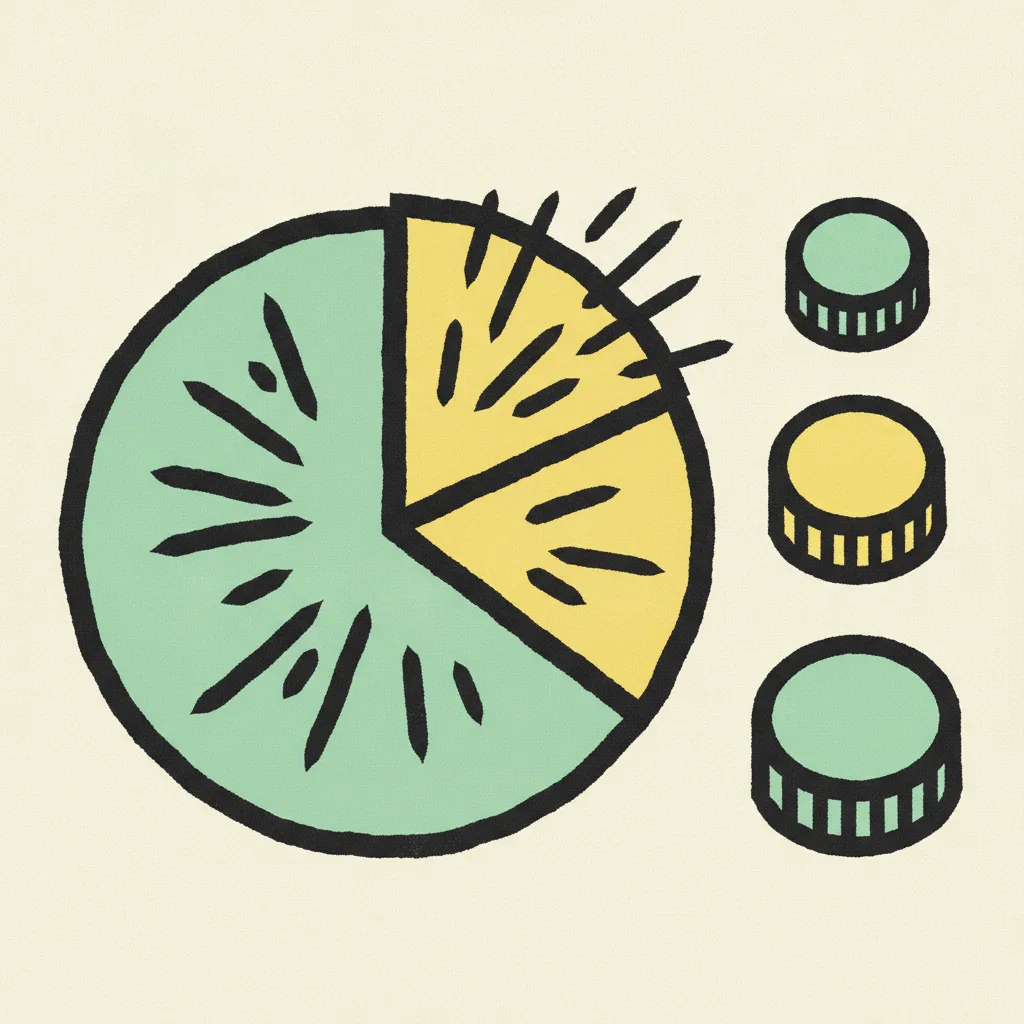
For a THB 600,000 launch budget (the median SMB figure we see), a mix that reliably outperforms the 'one macro plus three micros' default looks like this.
- One macro, 20 to 25 percent of budget, booked for a single hero post plus one supporting Story set.
- Six to eight micros, 45 to 50 percent of budget, each on a two-asset deal (one Reel or TikTok plus one static or carousel) with whitelisting rights priced in.
- Twelve to fifteen nanos, 20 to 25 percent of budget, on a single-post deal with a product-seeding element.
- Five to ten percent held back for a repost or boost round once you see what performed.
That shape produces roughly 20 to 25 pieces of first-party content in a six-week window, which is what paid ads and your own channels need to feed a launch without burning out one hero asset.
If a creator mix only produces one great post, it was a sponsorship, not a launch.
Match the mix to the category
The default above assumes a consumer product with broad appeal, like a food, beauty, or lifestyle launch. Adjust for category.
For a considered-purchase launch (fintech, insurance, SaaS, high-ticket wellness), tilt harder to micros with category expertise and drop the macro to 10 to 15 percent of spend. The audience needs context, not celebrity.
For a trend-sensitive launch (fashion drop, F&B pop-up, limited edition), flip it. Macro reach does more work in a 10-day window, so put 30 to 35 percent on one or two macros and compress the nano layer into a seeding wave in week one.
For a geographic launch (new Bangkok outlet, specific district activation), skip the macro entirely. Twenty district-adjacent micros and nanos will outperform one city-wide macro every time, and your Mai Influence brand roster is already filtered by neighbourhood for exactly this reason.
Pace the posts, do not stack them
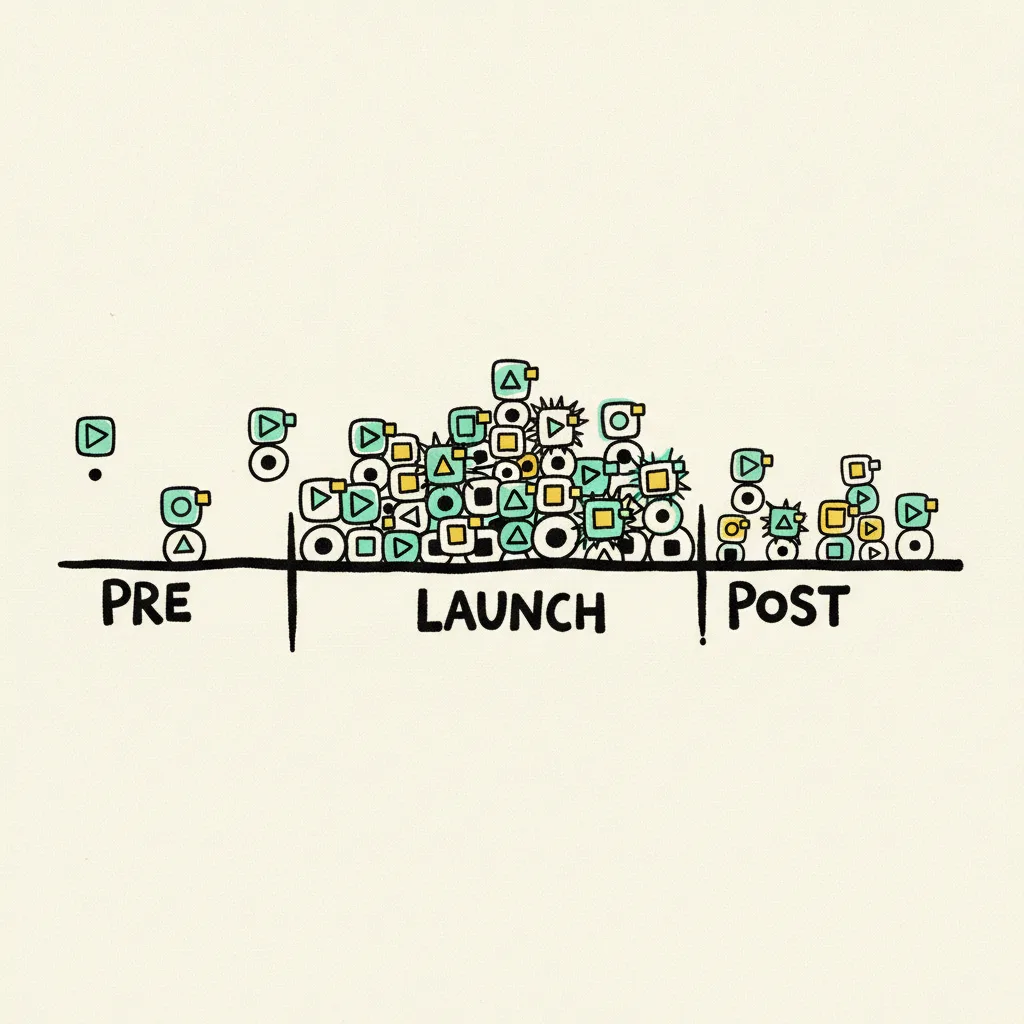
The second mistake, after the mix itself, is treating a launch like a single-day event. Twenty creators posting in a 48-hour window produces one viral spike and a flat two weeks after.
A six-week pacing shape that works for most Bangkok SMB launches:
- Week one: nano seeding wave, half of the nano group posts, no macro yet.
- Week two: three to four micros go live, product in use, no promotional claims.
- Week three: the macro posts, remaining micros stagger across the next ten days.
- Week four: second nano wave, now with real customer-style content (sometimes repurposed from the first wave with consent).
- Weeks five and six: boost round. Whitelist the top two or three organic posts into paid, and book two or three additional micros only if the data earns it.
That pacing keeps a launch feeling present for the full six weeks, which is the window retail buyers, press, and your own paid team actually need to see momentum. It also gives finance something to show at each weekly review that is not just 'we spent the budget'.
What this means for your next brief
The next brief you send out should not open with 'we need a macro'. It should open with the three jobs you need creators to do, in what pacing, with what rights attached. The tier mix follows from that.
If you are briefing right now and the current shape is one macro plus three micros, add a nano wave and a pacing timeline before you send the first message. The marginal cost is small. The marginal lift on launch week has been the single most consistent pattern in Bangkok campaigns we have seen in 2026.