Budgeting a Bangkok Creator Campaign in USD When Invoices Are in THB
By Mai Influence
Your finance team approved the campaign in USD. The creator's invoice arrives in THB. Somewhere between those two numbers, three costs quietly appear that nobody built into the plan, and the campaign overruns by 8 to 12 percent before a single post goes live.
This is a working brand-side playbook for budgeting a Bangkok creator campaign in USD when invoices come in Thai baht. It covers the FX buffer, the tax stack, when to lock a rate, and the exact line-item structure that survives a mid-quarter review.
The FX gap: what THB actually did in 2026
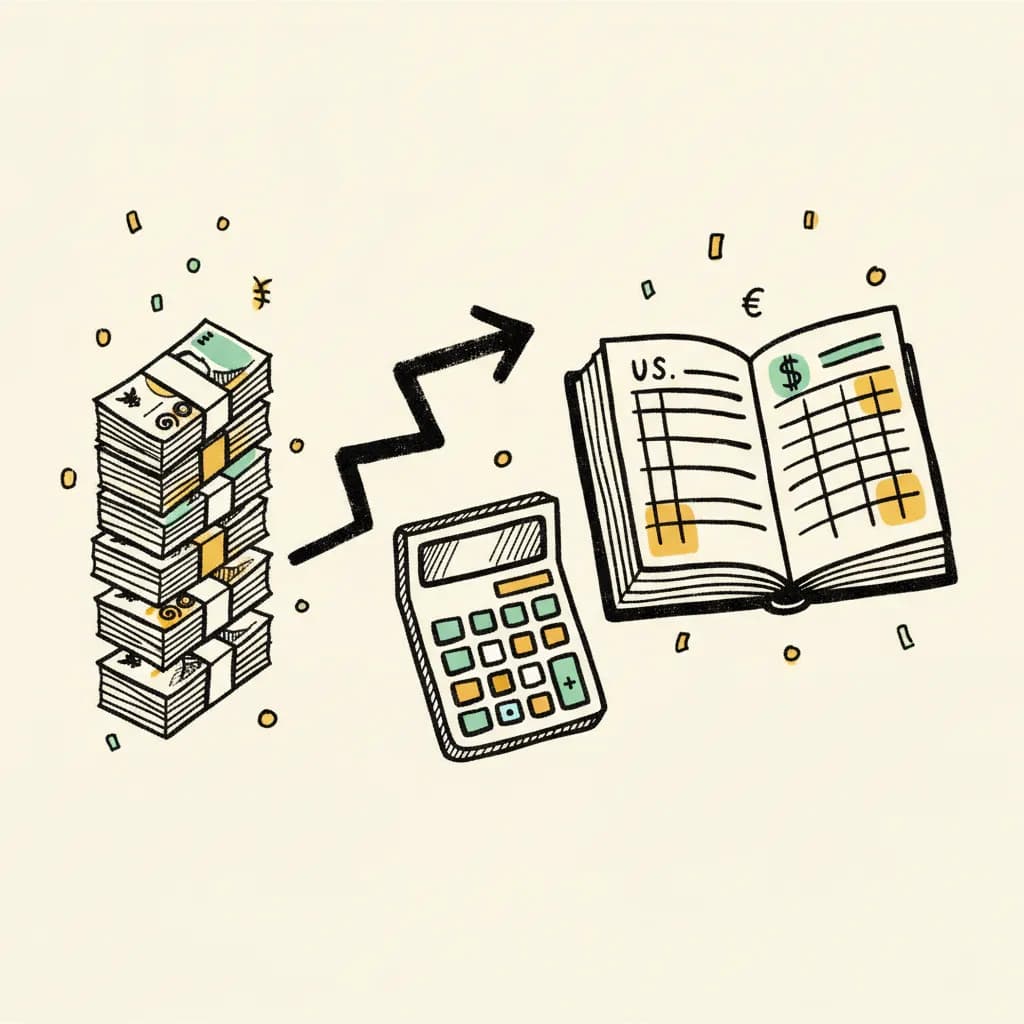
USD to THB has moved between roughly 33.8 and 36.4 over the last twelve months. That is not a huge band by emerging-market standards, but on a THB 400,000 buy it is the difference between roughly USD 11,000 and USD 11,830 for the same invoice. Nothing changed on the creator side. The rate did.
If you approve a Bangkok campaign in USD using today's spot rate and pay eight weeks later, you are running unhedged FX risk on your marketing budget. Most brand teams do not think of it that way, which is why the overrun surprises them.
The practical rule: budget at the worst rate in the last rolling six months, not the current spot. If the current spot is 34.2 and the six-month worst is 36.4, use 34.2 to convert the THB price into your USD budget line, because a stronger THB means you need more USD to settle the invoice.
The tax stack on a Bangkok creator invoice
Thai VAT is 7 percent and applies when the creator is VAT-registered, which most creators earning above THB 1.8 million per year are required to be. If your Thai entity is receiving the invoice, you can usually reclaim it; if the invoice bills your Singapore or US entity, you cannot.
Withholding tax on service income to a Thai individual is 5 percent, deducted at source by the paying entity. If you are paying a registered company instead of an individual, the rate is 3 percent. The creator receives the net; you remit the withheld portion to the Revenue Department. Missing this is a compliance issue, not a budgeting one, but it changes how the total cost lands on the P&L.
Agency or platform fees sit on top. A managed Bangkok creator marketplace typically charges 10 to 20 percent of the creator fee, invoiced separately or bundled. Bundled is cleaner for reporting. Separated is cleaner for negotiation.
Your all-in USD line should be:
- Creator fee in THB, converted at the worst rolling six-month rate
- Plus 7 percent VAT if the receiving entity cannot reclaim it
- Plus platform or agency fee, typically 10 to 20 percent of the creator fee
- Plus a 3 percent FX buffer on top of everything above, held as contingency
- Minus 3 to 5 percent withholding, which does not reduce your cost but changes the wire amount
When to lock a rate, when to pay spot
Locking through your bank's forward contract makes sense when the campaign is longer than six weeks and the total buy is over USD 30,000. Below that, the treasury cost of the forward often exceeds the FX volatility you are hedging. Most brand marketing teams do not have forward-contract access without going through finance, and finance will ask why. Be ready with the number.
For campaigns under USD 15,000, pay spot on invoice receipt and hold the 3 percent buffer as contingency. If the rate moves in your favour, that buffer stays in the budget and you look prudent. If it moves against you, you absorb it without a supplementary request.
For anything between, negotiate a THB-denominated PO with a fixed exchange note. You commit in THB, finance books the USD equivalent at PO date, and any FX movement between PO and payment is treasury's problem, not marketing's.
Building the line item your finance team will approve
The single biggest mistake is showing marketing the USD number and finance the THB number. They will not reconcile, and someone will spend a week trying.
The line item should read: base creator fee in THB, converted to USD at a named rate on a named date, plus stated buffers, plus stated fees, with a single all-in USD number at the bottom and the underlying THB commitment in a footnote. Finance can price the risk. Marketing can plan the campaign. Both are looking at the same row.

If you want to see how the numbers land against real Bangkok creator rates in 2026, you can book a brand call and we will walk through a live budget for your category.
What to negotiate before the PO goes out
The number on the brief is never the number on the wire. Budget the difference before you sign, not after the invoice lands.
Ask the creator or agency to quote in THB, not USD. A THB quote holds while an FX-inclusive USD quote will usually be padded 3 to 5 percent to cover their own currency risk. You are already carrying that risk in your buffer, so you are paying for it twice.
Ask for a payment schedule with a deposit in THB and the balance in THB on delivery. This gives you two settlement dates, which halves your FX exposure on the balance. It also gives the creator earlier cash, which is usually accepted in exchange for a small rate concession.
Ask who is registered for VAT and whether an official tax invoice will be issued. If the answer is no, revisit whether you can process the payment through your Thai entity at all. This is a legal and compliance question, not a marketing one, and it needs to be resolved before the PO, not after the shoot.
Get all of this into the PO. Not the brief. The PO is the document finance keeps.