Bangkok creator campaign timelines: brief to publish in 2026
By Mai Influence
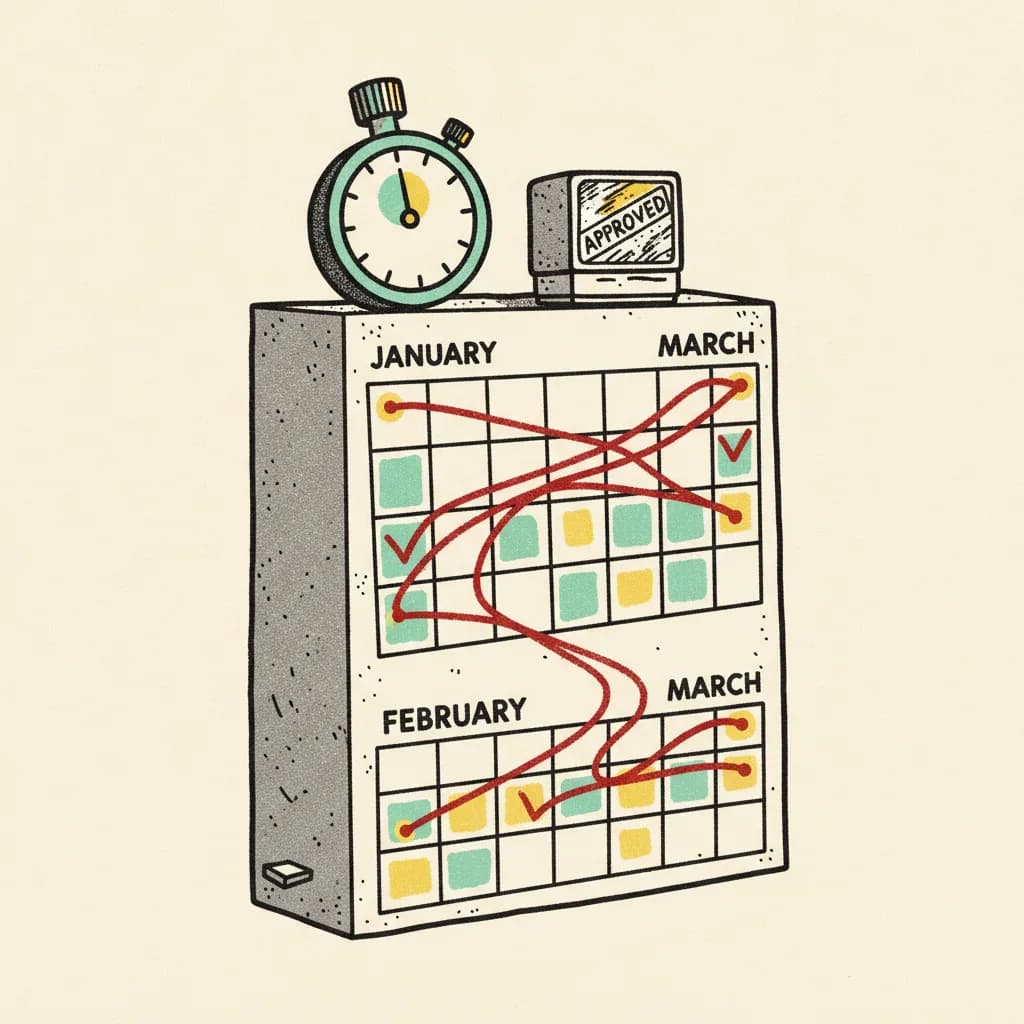
Most Bangkok brand teams still budget a creator campaign the way they budget a static ad: brief on Monday, live on Friday. Then the brief goes to a nano creator with a day job, the caption sits in legal for four days, and the launch slides into the following week. The gap between the timeline on the deck and the timeline on the calendar is where budgets quietly bleed. This is what a realistic 2026 clock looks like when you book through Bangkok creators, and where the days actually go.
Why timelines slip in Bangkok
The single biggest miscalculation is treating creator posts like ad production. Ad production has one owner, one queue, and one set of approvers. A creator campaign has one owner per creator, plus your brand queue, plus platform review if you are boosting. Add a Thai-to-English caption pass and you are running three review loops in parallel with no single project manager.
A second, quieter cause is the assumption that every creator answers LINE within the hour. Micro and macro creators in Bangkok do, most of the time. Nano creators with day jobs answer between 8pm and 11pm, and only on days they are not shooting. If your brief lands at 10am on a Tuesday and your kickoff call is Wednesday morning, you have already lost 24 hours to a scheduling problem no one flagged.
The realistic clock for a single creator post
For one Bangkok creator, one platform, one deliverable, plan on 10 to 14 working days from signed brief to live post. That assumes a clean brief, no product shipment, and one revision round.
The typical distribution:
- Day 1 to 2: brief received, questions answered, contract countersigned.
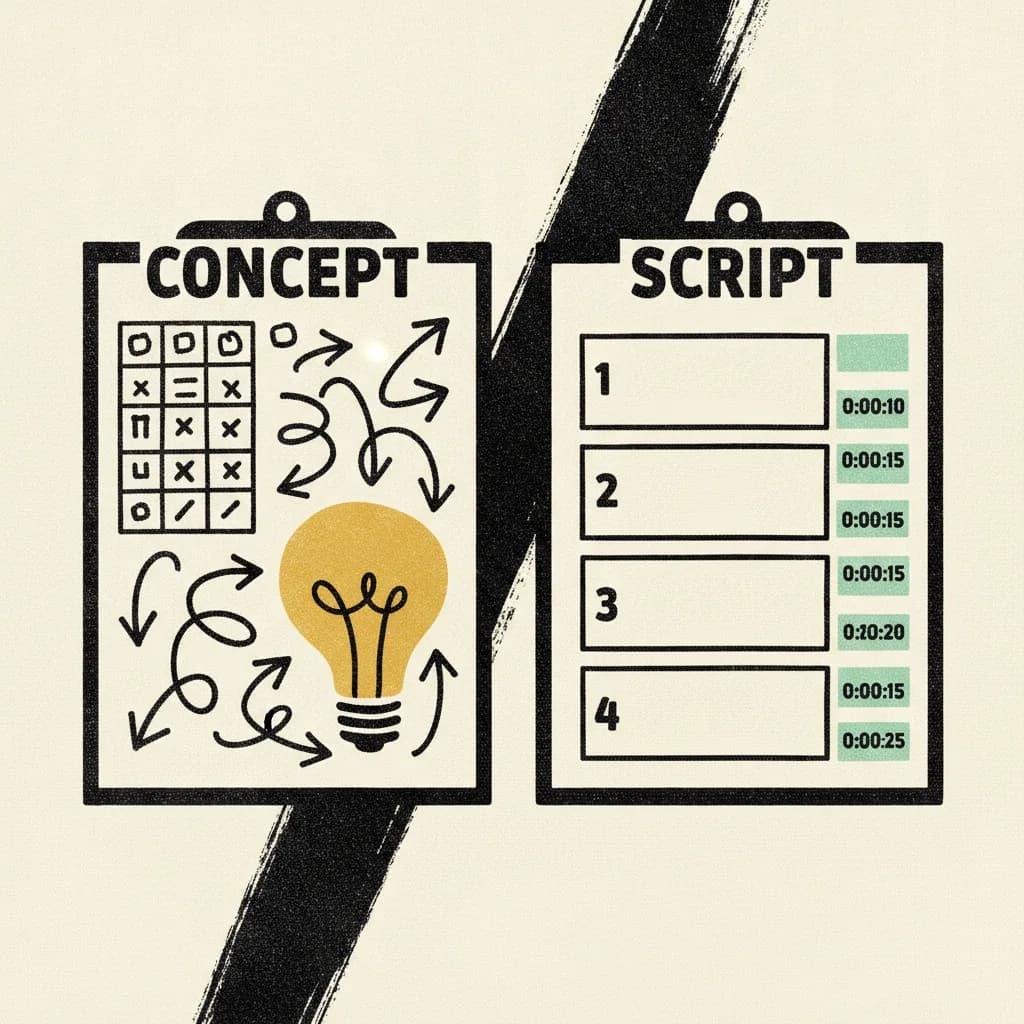
- Day 3 to 5: concept or script draft from creator.
- Day 6 to 7: brand feedback, one revision round.
- Day 8 to 10: shoot day, raw content submitted.
- Day 11 to 12: brand approval, caption sign-off, disclosure check.
- Day 13 to 14: creator schedules post to their optimal slot, publishes.
The top-quartile brands compress this to 7 working days by pre-clearing the caption template, locking hashtags before shoot day, and giving the creator a fixed publish window rather than a fixed publish date. The bottom quartile takes 21 days for the same deliverable, almost always because caption legal review is single-threaded through one lawyer.
The realistic clock for a multi-creator campaign
For 6 to 12 creators in a coordinated Bangkok campaign, plan 4 to 6 weeks from signed brief to full campaign live. That is not because any single creator is slower. It is because the slowest creator sets the pace of the wave, and one nano creator with a day job can hold up the launch by a week without meaning to.
If your campaign requires simultaneous publish (product drop, sale day, event), budget one extra buffer week and do not shoot a matching launch ad until every creator has approved content in hand. Booking through Mai Influence helps here because the roster is filtered on payment reliability and reply speed, but even a fully curated roster cannot compress the shoot-day clock past what a creator can physically do in a week.
The launch date on the deck is aspirational. The launch date on the caption schedule is real. Only one of them belongs in your media plan.
Where brands actually lose days
Four places, ranked by frequency across the campaigns we watch:
Legal caption review. This kills more launches than any other step. If your brand runs captions through legal, pre-approve a caption template with your legal team once per quarter and reuse it. Every ad-hoc review adds 3 to 5 working days.
Bilingual deliverables. If you need both Thai and English captions, the creator writes one and translates the other. Budget an extra day for the translation and an extra day for you to check it. Do not assume 24 hour turnaround on bilingual work.
Product shipment. Sending a product to a Bangkok creator adds 1 to 3 days if you use Kerry or Flash, longer if the creator is not in the city. Grab same-day is faster but only works Monday to Friday inside BMR. If the campaign hinges on product-in-hand, ship before the contract is signed and take the small risk.
Platform review on boosted posts. If you plan to whitelist and boost the creator's post as a Meta or TikTok ad, Meta review is 24 hours in a good week and 72 hours in a bad one. TikTok is faster but rejects more often. Do not schedule your boost to start on publish day, schedule it for publish day plus 2.
Buffers worth budgeting for
Three buffers pay for themselves inside one campaign.
Reply-speed buffer. Assume 48 hours to first substantive reply from any creator, not 24. Any creator faster than that is a bonus, not the baseline. Nano creators with day jobs need 72.
Revision-round buffer. Even a clean campaign has one round of revisions per creator. Budget 2 working days per revision round in your timeline. If you finish the campaign without using the buffer, launch early. If you did not budget it, you launch late.
Public holiday buffer. Thai public holidays cluster. Songkran in April eats a week, the King's Birthday in July, and the December cluster around New Year. Never brief a Bangkok creator campaign to publish within 3 working days of a public holiday. Something will slip and there will be no room to recover.
Timelines are not the exciting part of a campaign, but they are the reason campaigns miss their sale day. Cost the clock as carefully as you cost the fee. The brands that ship on time in Bangkok in 2026 are the ones that stopped pretending creator work moves at ad-production speed.