Attribution windows for Bangkok creator campaigns, 2026
By Mai Influence
A Bangkok skincare brand runs a Reel with a mid-tier creator on a Tuesday, sees eleven direct-attributed sales by Friday, and calls the campaign a loss on the internal Slack. Two weeks later the finance report shows the same creator's Reel drove another sixty-three orders that GA4 filed under "organic search" and "direct" because the buyer watched the video, sat on the decision for nine days, then Googled the brand name and bought. The Reel worked. The attribution window was too short to catch it. This is the single most common way Bangkok creator campaigns get killed in 2026: not because they underperformed, but because the measurement window closed before the revenue landed.
Attribution windows decide which conversions count as caused by which touchpoint. For creator work the choice is bigger than for paid ads, because creator content lives on a discovery feed with a longer consideration cycle than a retargeting banner. This is the framework we use inside Mai Influence briefs and the numbers that should shape a brand's own settings.
Click windows vs view windows, without the jargon
Two kinds of attribution windows exist and they measure very different things. A click window counts a conversion if the buyer clicked a tagged link from the creator's post, then bought within the window. A view window counts a conversion if the buyer saw the post (paid impression or organic view depending on the platform), did not click, then arrived at the site by another route and bought within the window.
Click attribution is tight and defensible. View-through attribution is loose and inflated but reflects real behaviour on discovery platforms where nobody clicks bio links but half the feed goes hunting for the brand later. The honest answer for creator work is to report both, separately, and never add them together. A wrap deck that shows "1,412 conversions" when 190 were clicks and 1,222 were seven-day view-throughs is misleading; a wrap deck that shows both columns lets the brand judge for itself.
Click-through windows we recommend by platform in 2026:
- TikTok organic creator Reels: 7-day click, 1-day view.
- TikTok Spark Ads (boosted creator post): 7-day click, 1-day view. The Spark Ads guide covers the account-level settings.
- Instagram Reels and Stories via bio link: 7-day click, 1-day view.
- Instagram Partnership Ads: 7-day click, 1-day view. Meta's default is 7/1 in 2026 and there is no strong reason to shorten it.
- LINE VOOM: 14-day click, 1-day view. LINE users check the app less often than TikTok users; the extra week catches weekend buyers.
- YouTube long-form review: 30-day click, 1-day view. Long-form video drives the longest consideration cycle in the roster.
- Xiaohongshu: 14-day click, 1-day view, and treat both as directional; the platform's own analytics do not export cleanly outside China.
Why the default GA4 window quietly ruins wrap reports
GA4 shipped in 2023 with a 90-day acquisition window and a data-driven attribution model that spreads credit across every touchpoint on the path to purchase. Both defaults are reasonable for a large brand with tens of thousands of monthly sessions and multi-week purchase paths. Both defaults are wrong for a Bangkok SMB running a single-creator brief with 40,000 followers.
At the SMB scale, data-driven attribution has too little data to model. It falls back on last-non-direct click, which under-credits creator posts because most viewers do not click the bio link on the first view. The 90-day window then piles unrelated organic traffic into the creator campaign row, making the numbers look better than they are and rewarding the wrong creators on the rebook decision.
Set the property to last-click attribution manually for the reporting view the wrap deck reads from, then set a 14-day acquisition window at the property level. If you need a longer view for a specific brand-building test, create a separate exploration with a 30-day window and label the deck clearly. Do not mix windows in a single deck.
The other silent killer is UTM inconsistency. If a link goes out without tags, the conversion lands in "direct" and disappears from the creator's row entirely. Our UTM tracking guide walks through the naming scheme that survives contact with three creators; a broken UTM chain will make even a perfect attribution window report zero.
Match the window to the product's consideration cycle, not the platform
Platform defaults are a starting point. The real driver is how long the buyer takes to decide, which depends on the product.
- Impulse categories (bubble tea, snacks under 150 THB, small skincare samples): 3-day click window. Anything longer is noise. If the buyer did not act inside three days, another creator or another trigger closed it.
- Considered purchases (skincare full-size, apparel, homeware 500 to 3,000 THB): 7 to 14-day click window. This is the sweet spot for most Mai Influence briefs.
- High-consideration purchases (electronics, furniture, travel bookings 3,000 THB and up): 21 to 30-day click window. YouTube long-form and detailed IG carousels drive these; short windows will underreport them badly.
- Subscription and app installs: 14-day click for the install itself, then a separate 7-day post-install revenue window measured inside the app via Appsflyer or Adjust, not GA4.
A property brand booking creators for a condo launch that closes over a six-week decision cycle should not use the same window as a bubble-tea drop. Both are legitimate creator campaigns. Neither is served by a single company-wide default.
The correct attribution window is the shortest window that still captures 80 percent of the revenue the campaign will ever drive. Longer than that is inflation. Shorter than that is self-sabotage.
The rebook decision that windows actually feed
Attribution windows exist to answer one operational question: does this creator get rebooked. Everything else is decoration. The rebook decision should read three columns from the wrap report: click-attributed revenue divided by fee (the tight ratio), view-through revenue divided by fee (the loose ratio), and the ratio of the two, which tells you whether the creator drove direct action or brand halo.
A creator with a 3.2x tight ratio and a 4.1x loose ratio is a direct-response performer; book them again for the next launch. A creator with a 0.4x tight ratio but a 6.0x loose ratio is a brand-halo performer; book them for a launch week or a top-of-funnel push, not a discount drop. A creator with 0.3x on both is a miss; the window did not fail you, the fit did.
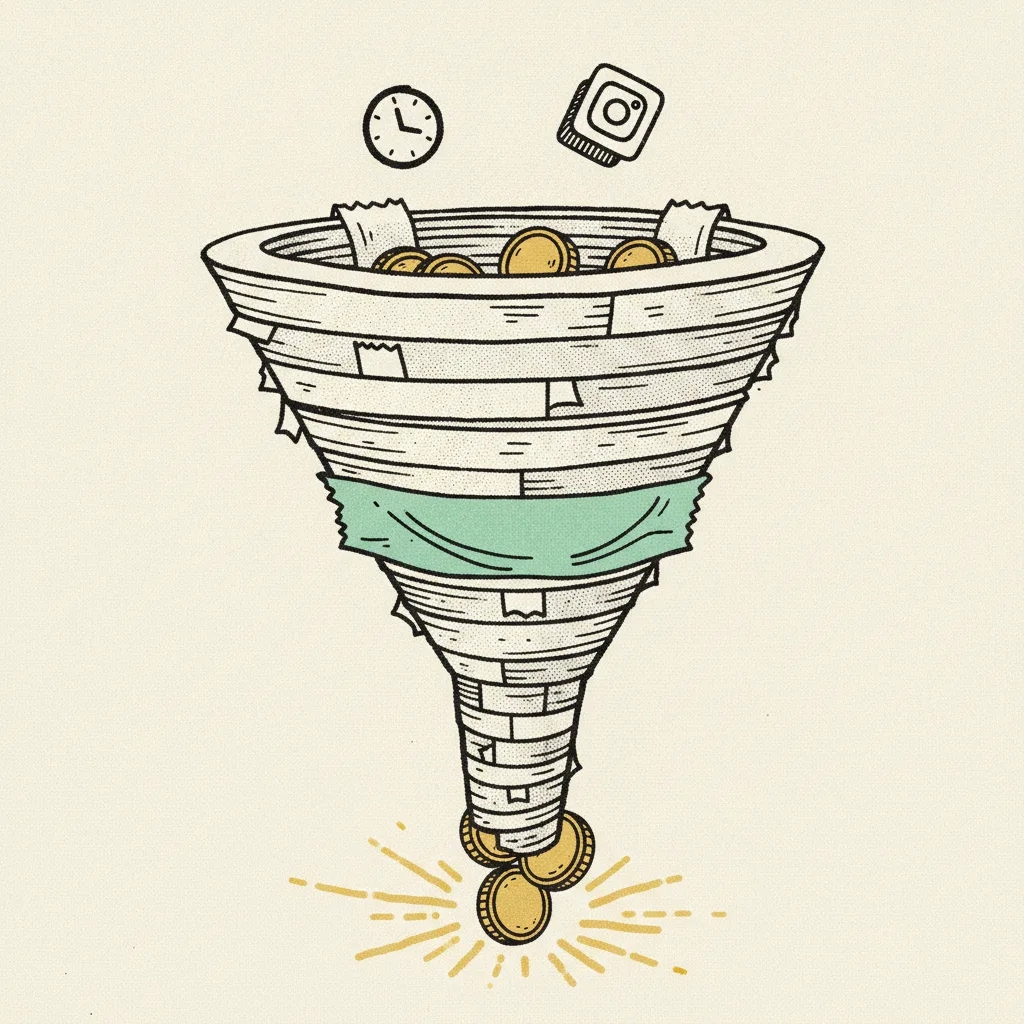
The engagement-rate benchmarks post covers the pre-booking signals; attribution windows cover the post-booking judgement. Both matter, and they answer different questions.
What Mai Influence sets by default
Every brief posted through the marketplace ships with a 7-day click and 1-day view window on TikTok and Instagram, 14-day click on LINE VOOM, and 30-day click on YouTube long-form. Brands can override at brief creation; most do not, because the defaults are calibrated to the median SEA SMB purchase cycle in 2026. The wrap report at campaign end shows both the tight and loose ratios per creator, side by side, with the fee already divided in. The rebook button lives one column to the right.
Brands running creator work outside a marketplace can replicate the pattern in an afternoon: set the GA4 property to last-click with a 14-day acquisition window, add a separate exploration for view-through, keep the UTM scheme tight, and never quote a single blended number in the wrap deck. The window you pick is the campaign's memory. Pick one that remembers everything it should, and nothing it should not.