Approval-chain bottlenecks on Bangkok creator campaigns 2026
By Mai Influence
Most Bangkok creator campaigns don't fail at the brief. They fail at the sign-off. The brief goes out on a Monday, the creator is ready to shoot by Wednesday, and then nothing happens for eleven days because a script is sitting in a channel nobody owns. The campaign still ships, but it ships late, misses the sale window, and the brand blames the creator.
Approval chains are the quiet tax on every SMB creator budget in Bangkok. They don't show up on an invoice. They show up as missed launches and renegotiated usage windows. Here is where the drag actually comes from, and what to change before your next brief.
Where the week actually disappears
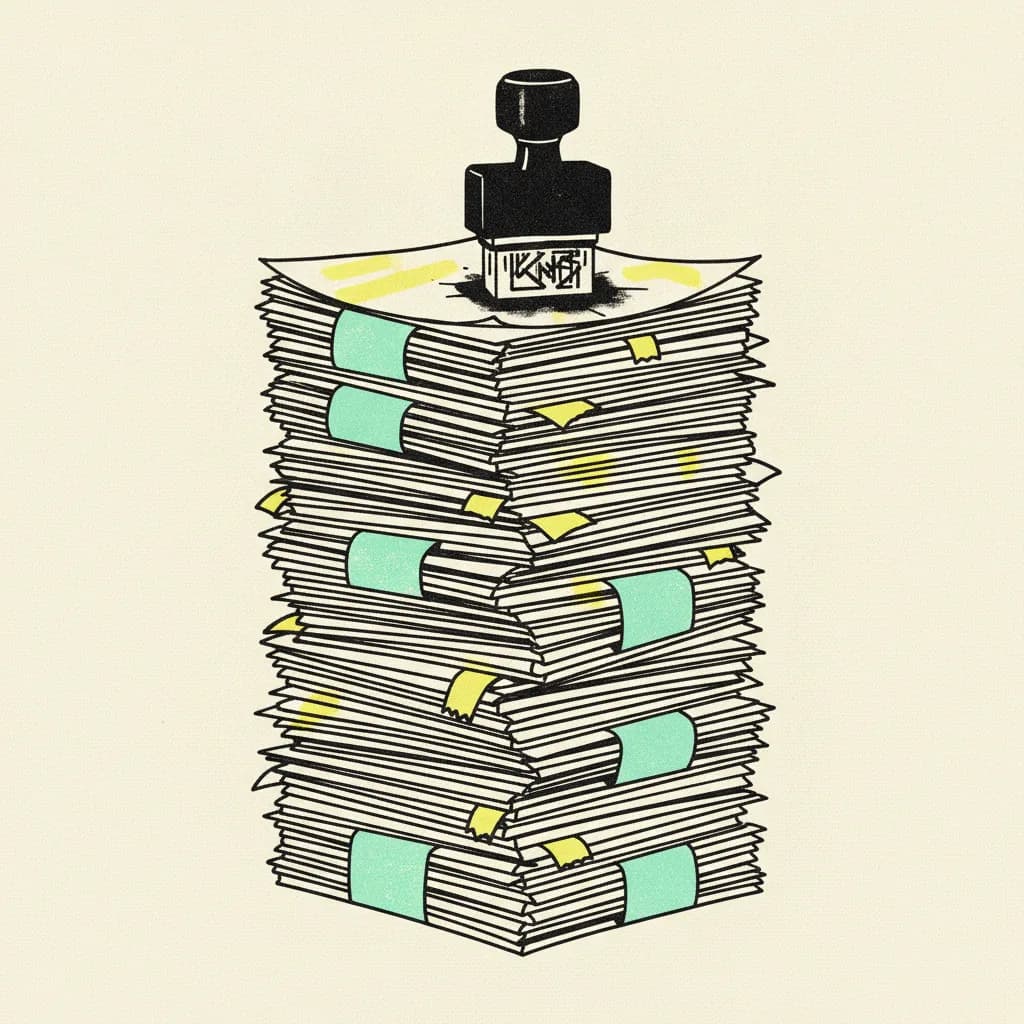
A typical SMB brand runs a creator post through five people before it goes live: the marketing lead who wrote the brief, a brand manager who owns tone, a legal or compliance reviewer, a founder or GM who signs off on paid budget, and sometimes a local-market lead if the brand sells across SEA. Each one adds between a few hours and two business days of latency.
The drag is rarely in the review itself. A brand manager can read a thirty-second script in ninety seconds. The drag is in the queue time between reviewers, and in the second and third rounds triggered by notes from someone who should have been in round one.
The reviewers who shouldn't be in the loop
The fastest campaigns in our 2026 roster have three approvers maximum: a brief owner, a brand voice owner, and whoever signs the invoice. Everyone else gets a notification, not a veto.
If a reviewer has never written a note that changed the final cut, they aren't an approver. They are an audience. Move them to a cc, a read-only share, or a weekly recap. This single change is the biggest single-step time saver we see on repeat campaigns.
Compliance is different. If your category is regulated (health, finance, alcohol, supplements, anything with a THB claim), compliance has to be in round one, with the brief, not round three with the final edit. Compliance notes in round three are the single most common cause of a kill fee being charged.
The second round that eats two days
Second rounds are not free. They cost calendar time, they cost creator goodwill, and after a point they cost real money. Most Bangkok creator agreements include two revision rounds inside the base rate. A third round usually triggers a surcharge of 15 to 30 percent of the deliverable fee, and a fourth round is often grounds for the creator to walk with a kill fee.
The fix is upstream. Collapse your internal rounds before the creator ever sees them. If marketing, brand, and compliance each want a change, make those changes internally, send one consolidated note, and treat that as round one with the creator. We routinely see brands run three internal passes while still only using one of their contracted creator revisions.
If three people sign off separately, the creator pays for the coordination you skipped.
The sign-off window nobody blocks on the calendar
Sign-off is the step every brand assumes will take an hour and that in practice takes three business days. A script lands in a Slack channel on a Thursday afternoon, the founder is in a board meeting, Friday is a Thai public holiday, Monday is review day for a different team, and the creator is sitting on a shoot slot that costs money whether or not the brand responds.
Block the sign-off window on the brief, in writing. A simple line like "final approval window: Tuesday 10am to 12pm BKK" makes it a scheduled meeting, not a message waiting to be noticed. Creators can plan around that. They cannot plan around a founder's inbox.

The checklist that cuts a week off your next campaign
- Name the three approvers in the brief. Not five. Not "the team". Three names, three roles.
- Put compliance in round one with the raw brief, not round three with the final cut.
- Block the final sign-off window on a shared calendar before the creator shoots.
- Consolidate internal notes before sending anything back to the creator. One voice, one list, one round.
- Agree in writing what a round-three surcharge looks like, so nobody is surprised when round three happens.
None of this makes a campaign cheaper on paper. It makes it ship on time, which is almost always worth more than a 10 percent rate shave on the creator fee.
When the chain is the real problem
If every campaign you run slips by a week, your creators are not the issue and your rates are not the issue. Your approval chain is the product you need to redesign. A quiet, well-organised roster helps here because the lead time, revision scope, and sign-off cadence are set upfront with you, not negotiated per brief.
If you want a shortlist of Bangkok creators who already work this way, book a brand call and we will send three names tuned to your category and sign-off reality in 2026.