Whitelisting vs Boosting Bangkok Creator Posts in 2026
By Mai Influence
Every quarter a Bangkok brand marketer sends the same message to our team. The organic creator post did well. They want to put paid behind it. Then the question comes back mangled: "Can we boost it or do we need to whitelist it?" Half the time the person asking is using the two terms as synonyms. They are not.
The difference costs real money. Pick the wrong one and you either burn budget on a post that caps out at the creator's follower reach, or you spend six weeks in a legal review that a boost would have solved in twenty minutes. This is what each option actually gives you, and how SEA brands should choose between them in 2026.
Boosting is amplification from the creator's own account
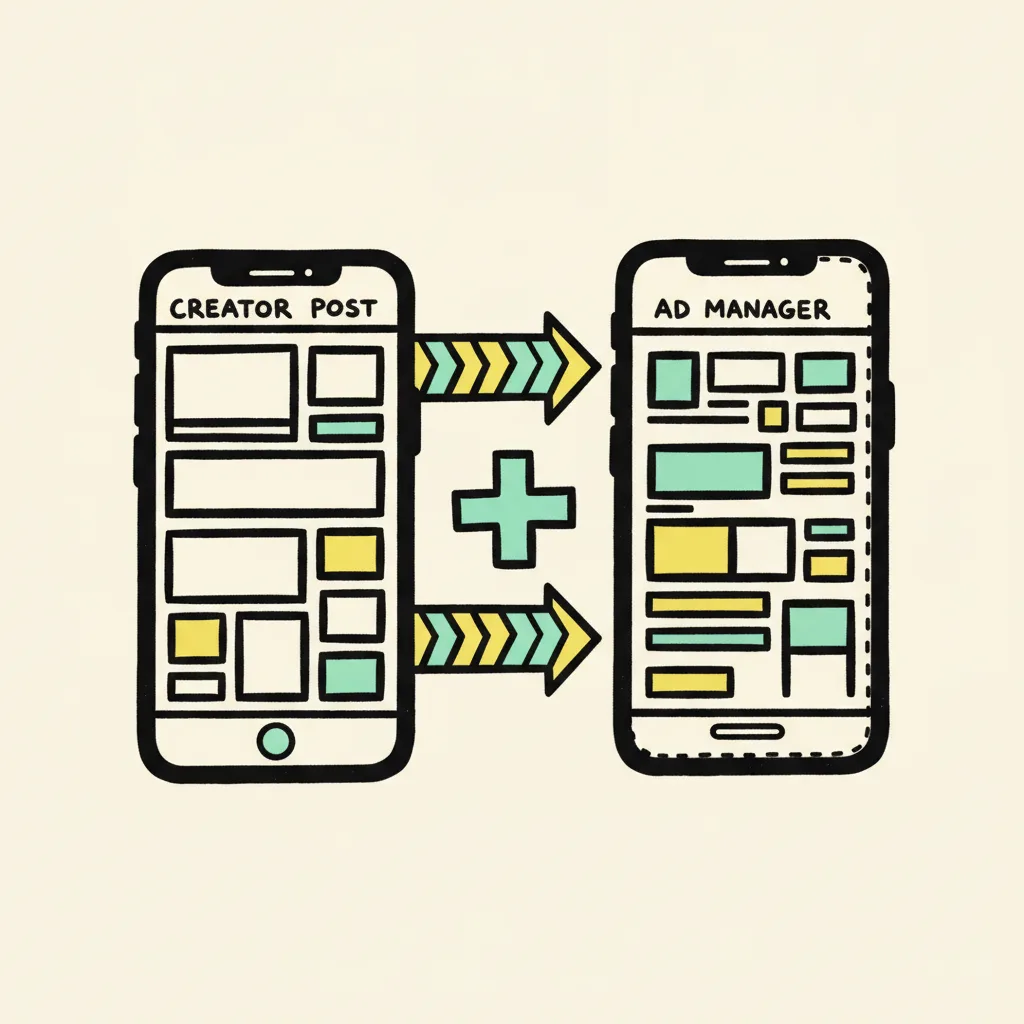
Boosting means the creator, or you with permission through Meta's Branded Content tools, puts paid spend behind a post that stays on the creator's handle. The post keeps the creator's name at the top. The engagement stays on their profile. Reach expands beyond their followers, but every metric flows back to their account.
Boosting is fast. Once the creator toggles Branded Content access to your ad account, you can run the post as a Partnership Ad inside Ads Manager within an hour. You get proper targeting, proper reporting, and proper attribution. You do not get creative control after the fact. If the caption has a typo or the CTA is soft, you cannot edit it without going back to the creator and having them repost, which resets the social proof.
Whitelisting is running the creator's identity from your ad account
Whitelisting, sometimes called Partnership Ads Dark or handle access, is different. The creator grants your ad account permission to run ads that appear to come from their handle, but the ads themselves are dark posts. They never appear on the creator's public feed. You can create fresh variants, swap CTAs, test three hooks against each other, and none of it touches their organic grid.
The upside for brands is enormous. You get the creator's face, voice, and follower trust wrapped around a creative you fully control. The downside is setup friction. Whitelisting requires the creator to accept a partnership request on Instagram or TikTok, and on TikTok Spark Ads it requires a video code that expires. If your creator contract did not include whitelisting rights, you are renegotiating, and most Bangkok creators price whitelisting as a separate line item.

The pricing gap most Bangkok briefs miss
A boost on a Bangkok creator's Instagram Reel typically adds nothing to the creator fee if Branded Content access was already granted in the contract. Some creators charge a small handling fee, usually 1,000 to 3,000 THB, for the toggle and any reporting they have to pull.
Whitelisting is where budgets shift. In Bangkok in 2026 the typical whitelisting uplift sits at 30 to 50 percent of the original post fee for a 30-day window. Top-quartile macro creators, especially in beauty and finance, charge 60 to 80 percent. Renewals for a second 30 days are usually half the first window. Anyone quoting a flat 100 percent uplift for whitelisting without a usage-window discussion is padding.
When to boost, when to whitelist
Boost when the organic post already tested well, the caption and CTA are on-brand, and you want to extend reach without changing anything. Boost when your legal team has approved the exact creative that exists on the creator's grid and would need a full re-review of any variant. Boost when the window is short and the creator is responsive.
Whitelist when you want to run three or four creative variants against each other, when the organic post's CTA is soft and you need a harder direct-response version, or when you plan to keep running the ad for more than 30 days. Whitelist when you are pointing to a specific product SKU or promo and cannot afford to have the creator's other posts sitting one scroll above the ad in someone's feed.
If you cannot answer "who owns edits and for how long" before the shoot, you should not be spending on either option yet.
The contract clauses that let you do either without renegotiating
Three lines in the initial contract save the renegotiation loop. First, an explicit Branded Content or Partnership Ads access clause that turns on the toggle at delivery, no separate approval needed. Second, a whitelisting rights clause with a stated window (30 or 60 days is standard in Bangkok) and a stated uplift percentage so nobody argues the math later. Third, a paid-media exclusivity carveout so the creator is not running a competitor's boosted post in the same window.
Without these lines you will spend the first week of every paid push chasing signatures instead of testing hooks. Our team at Mai Influence sees the same three clauses missing from most first-draft briefs, and it is the single fastest fix to shorten the gap between organic and paid.

What to measure differently
Boosted posts inherit the creator's organic baseline, so your reporting has to separate paid reach from organic reach or your CPM looks unfairly good. Whitelisted dark posts have no baseline, so treat them like standard performance creatives with clean cost-per-result targets from day one.
The trap on both sides is judging a creator campaign on the organic post's engagement rate after paid spend has flooded it. Once you put money behind a post, engagement rate is a vanity number. Cost per landing page view, cost per add-to-cart, cost per qualified lead — those are the numbers that tell you whether the creator, the creative, or the targeting was the lift.
Pick the mechanic that matches the goal, write the contract clauses once, and stop treating boosting and whitelisting as the same button.