Rush Fees: What Bangkok Brands Pay for Sub-72-Hour Creator Work
By Mai Influence
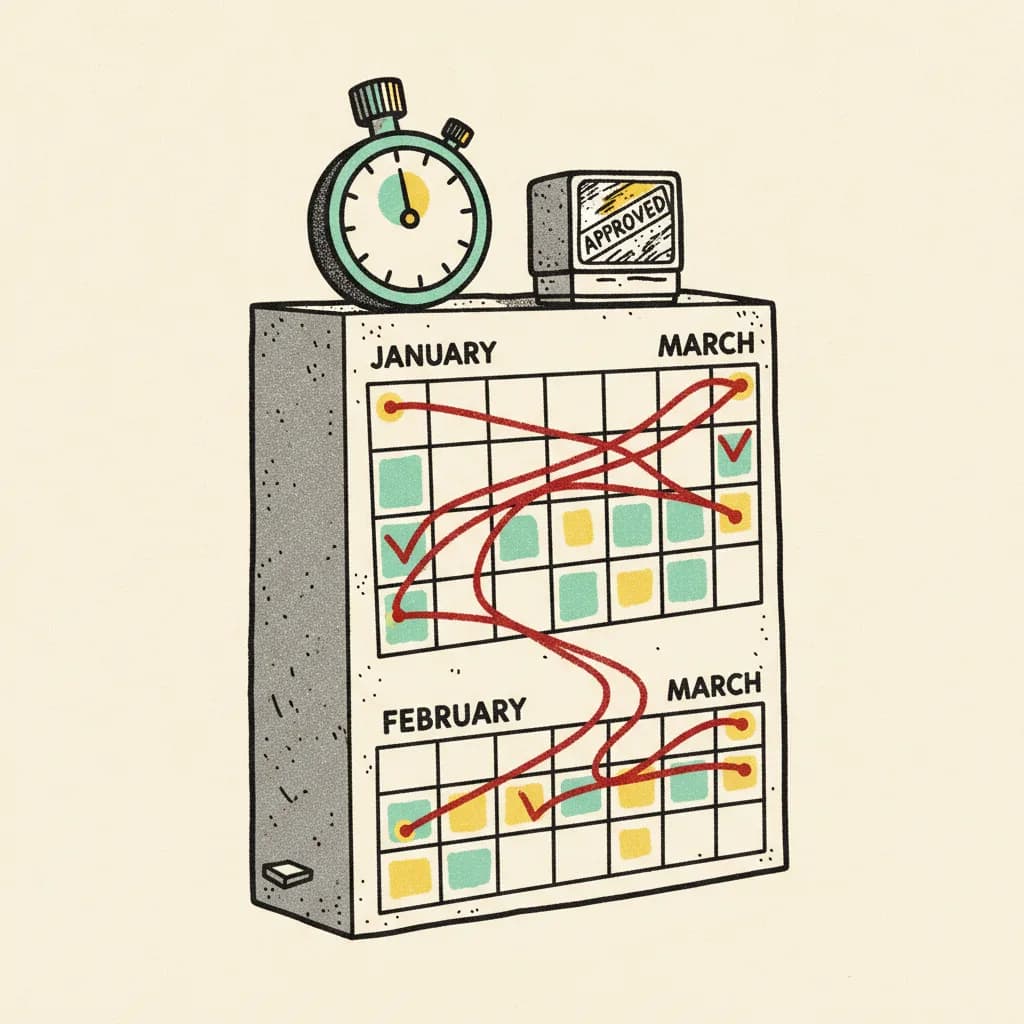
A product drop lands on a Monday, a competitor announces something louder on Tuesday, and by Wednesday the brand team wants a Bangkok creator post live before the weekend. That is a rush, and in 2026 Bangkok creators price it as one. The question is not whether to pay more, it is how much more and in what form, so the invoice does not surprise finance and the creator does not quietly drop quality to make the clock.
This post is for brand marketers in Thailand and the wider SEA region who need to green-light sub-72-hour creator work without burning the next three campaigns. The numbers below are typical ranges across the Mai Influence roster and comparable Bangkok talent in 2026, not invented benchmarks.
What counts as a rush in Bangkok, 2026
Standard brief-to-publish in Bangkok runs five to ten working days for a single Reel or TikTok, longer for scripted carousels and anything legal has to touch. A rush is any ask that compresses that window into 72 hours or less from signed scope to live post. Three bands matter for pricing:
- Same-day (under 24 hours from brief to publish): the hardest tier. Expect a 1.8x to 2.2x multiplier on the creator's standard deliverable fee, and expect two or three refusals before you get a yes.
- 24 to 48 hours: common for reactive campaigns. 1.4x to 1.6x multiplier is the typical quote.
- 48 to 72 hours: the gentlest rush. 1.2x to 1.3x multiplier, and most mid-tier creators will take it without pushing back.
These multipliers apply to the creative deliverable only. Usage rights, exclusivity, and whitelisting fees sit on top and do not scale with the rush multiplier, which is why a rush campaign with a 90-day whitelist can look eye-watering on the final invoice if nobody warned finance.

Why creators quote more, and why it is fair
A rush collapses the creator's safety net. Normal timelines allow for one weather delay, one wardrobe swap, one caption rewrite after your legal team reads it. Three days allows for none of that. The creator either moves another client to the following week (lost goodwill), works a Saturday (lost rest), or absorbs a reshoot risk with no buffer (lost sleep when the first cut fails).
The multiplier is not a tax. It is the cost of risk transfer. In practice, 60 percent of Bangkok creators we work with route rush fees into one of three buckets: priority scheduling, kill-fee insurance for the displaced client, or a direct bonus to the editor who has to turn colour grading around overnight.
A rush fee is not the brand paying for speed. It is the brand paying for everyone else on the creator's calendar to be told no.
The tier bands that actually hold
Rush multipliers are not uniform across follower tiers in Bangkok. The compression hurts macro creators more than nanos, because macros have more cross-booked clients to displace. Approximate 2026 ranges per deliverable, standard fee times multiplier:
- Nano, 5K to 20K followers: 4,000 to 9,000 THB standard per Reel, rush multiplier of 1.2x to 1.5x. A same-day Reel from a working Bangkok nano lands around 8,000 to 13,000 THB all-in.
- Micro, 20K to 100K: 15,000 to 40,000 THB standard per Reel, rush multiplier of 1.3x to 1.7x. A 48-hour Reel brief lands in the 20,000 to 55,000 THB band depending on category.
- Macro, 100K and up: 50,000 to 180,000 THB standard per Reel, rush multiplier of 1.5x to 2.0x. Same-day asks are often declined outright, and when accepted, 100,000 to 300,000 THB is the realistic range for a single deliverable.
These are headline rates on a bare deliverable. Add usage, add paid-social licensing, add a Thai plus English caption pair, and the number moves accordingly. If you want to see how the full line-item stack reads before you brief, book a 20 minute brand call and we will walk you through a rush-shaped quote so finance sees the whole number early.
Clauses that keep a rush clean
Three things to put in writing before the rush starts, so neither side ends up renegotiating at midnight:
- One revision round, not two. Rush pricing assumes the creator nails it on first pass. A second round at 48 hours in costs the schedule more than it costs money, and you cannot buy back the lost hours. Put the one-round cap in the scope line.
- Deliverable window, not deadline time. "Publish between Thursday 6pm and Friday 9pm BKK" gives the creator room to pick the hour the algorithm actually rewards. A hard "Thursday 7pm" clock usually costs 10 to 15 percent more and often publishes into dead air.
- Named escalation contact. On a normal campaign you can wait eight working hours for a legal reply. On a rush, one eight hour wait kills the schedule. Name the person who can approve a caption change on the brand side, with their phone number, in the brief.
When not to pay a rush fee
Not every short timeline is actually a rush. If the brand's internal deadline is Friday but the campaign does not have a hard external hook, the honest move is to extend the brief by three working days and pay standard rates. In practice, roughly a third of the "we need this urgently" asks that land on Bangkok creator inboxes have no external forcing function behind them, which means the brand is paying a 30 to 100 percent premium for an internal preference.
Before you authorise a rush multiplier, ask one question: what happens if this post goes live on Monday instead of Friday. If the honest answer is "nothing material", you are better off scheduling it properly, keeping the creator rested, and spending the saved fee on paid promotion of the finished post. If the honest answer is a competitor beat, a stock window, a product drop timed to retailers, then the multiplier is doing its job and the number on the invoice is the right one.