Lucky Draw Rules for Bangkok Creator Campaigns in 2026
By Mai Influence
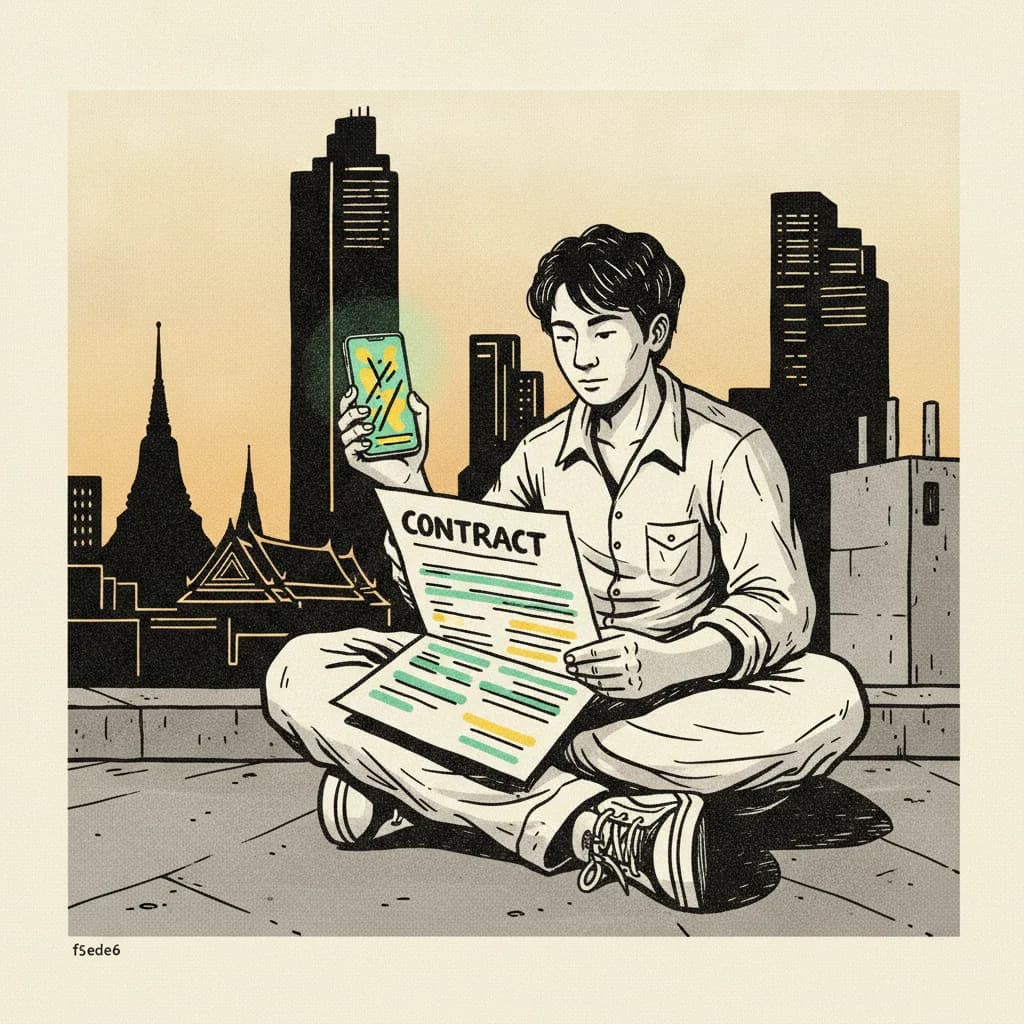
A SEA brand briefs a Bangkok micro creator on a Reels giveaway. Follow the brand, tag two friends, winner drawn next Friday. The creator ships the post. By Monday morning Meta has flagged the account and the Thai Revenue arm of the Department of Provincial Administration (DOPA) has a complaint on file because the mechanic looks like an unpermitted lucky draw. The brand asks the creator to delete the post. The creator refuses without a kill fee. Nobody is wrong, but everyone loses the week.
This is one of the most common compliance blow-ups on Bangkok creator campaigns in 2026, and almost all of it is avoidable with a 20-minute pre-brief.
Giveaway vs lucky draw, under Thai law
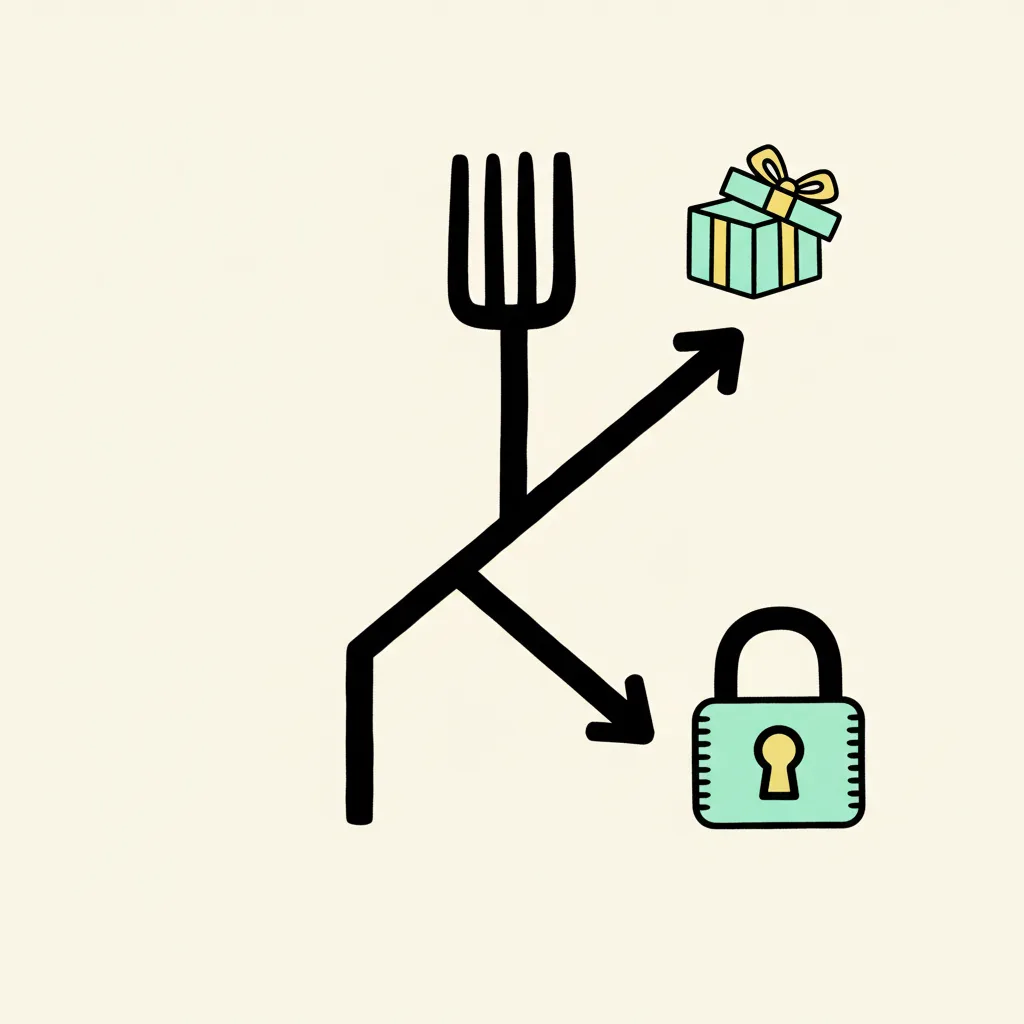
Thai regulators care about one thing: whether the prize winner is chosen by chance. If chance is involved, it falls under the Gambling Act B.E. 2478 and needs a permit from the local DOPA office. If skill or merit decides the winner, no permit is required.
In practice, that splits creator campaign mechanics into three buckets.
- Skill-based contest. Best caption wins, best photo wins, judged by the brand. No DOPA permit required. Needs clear judging criteria in the post caption.
- Gift-with-engagement, no draw. First 100 commenters receive a product. No permit required because there is no random element.
- Lucky draw. Winner picked at random from entrants. DOPA permit required under Section 8 of the Gambling Act. Permit application takes 3 to 7 working days at the Bangkok DOPA office and costs between 500 and 2,000 THB in administrative fees depending on prize pool size.
Most creator campaigns default to bucket 3 because random is the easiest mechanic to run. That is where the risk sits.
What the DOPA permit actually requires
If the brand decides a random draw is worth the paperwork, the DOPA permit application needs:
- Full prize list with retail value in THB.
- Entry mechanic in plain Thai, including eligibility, entry period, and draw date.
- Draw method, meaning how randomness is produced (livestream draw, software RNG screenshot, physical drum).
- Winner notification method and prize collection window.
- Company registration documents if the brand is a Thai juristic person, or the agent-of-record's documents if the brand is foreign.
The permit then has to be referenced in every post that promotes the draw, usually as "ใบอนุญาตเลขที่ [number] ออกให้โดยกรมการปกครอง". If a creator posts the mechanic without the permit number visible or linked, the brand owns the violation.
The permit is cheap. The permit application is slow. Build the DOPA lead time into the campaign calendar before you book the creator.
What gets a creator post pulled
The three triggers we have seen most often in 2026.
- Random-draw mechanic without a visible DOPA permit number in the caption or on-image. Meta and TikTok have both tightened their Thai moderation on this since Q2 2026.
- Prize value above 20,000 THB with no clear tax-on-prize notice. Thailand charges 5% withholding tax on prize values above that threshold, deductible before the winner receives the prize. If the brief does not mention it, the winner complains publicly and the thread goes viral in the wrong direction.
- Age-gated prizes (alcohol, tobacco, cannabis-adjacent wellness) running on a creator whose audience skews under 20. Thai Advertising Standards and the FDA both pursue these. The brand pays the fine, but the creator eats the engagement hit.

Where to position the compliance work
Compliance sits best with the agency or the brand, not the creator. Creators are not lawyers, and they have no way to apply for a DOPA permit without the brand's corporate paperwork anyway. If you run creator campaigns in Thailand regularly, build a three-step pre-flight into your brief template.
- Flag the mechanic in the brief itself (skill, first-N, or random draw).
- If random, start the DOPA permit application the week the brief is approved, not the week the campaign launches.
- Issue the creator a one-page compliance addendum with the permit number, the tax-on-prize notice if applicable, and the exact Thai-language disclosure line to paste into their caption.
That is the whole operational fix. It costs a working day of coordination and prevents 90% of the drama.
If you want this handled upstream, including DOPA permit filing on behalf of the brand and the compliance addendum pre-written for every creator in the campaign, book a brand call and we will walk the three Bangkok campaigns we are running this month that use lucky-draw mechanics without pulling a single post.
The brief-stage checklist
Pin this to the campaign Trello before you send a creator the first message.
- Is the winner selected by chance? If yes, DOPA permit path. If no, skill or first-N path.
- Is any single prize valued above 20,000 THB? If yes, add the 5% WHT-on-prize line to the creator caption.
- Does the campaign run across multiple Thai provinces? If yes, the permit has to be filed in each province's DOPA office, or at the Bangkok central office with a provincial-scope application.
- Are any audience segments under 20 years old? If yes, review age-gated prize categories before the creator confirms.
- Does the creator caption include the DOPA permit number in Thai, visible without clicking "more"? That is the detail Meta's Thai moderation flags on, every time.
The campaigns that compound in Bangkok are not the ones with the clever mechanics. They are the ones that stay up for the full campaign window because the compliance was boring and the paperwork was filed on time. A lucky draw is still a great creator mechanic. It just requires knowing which forms to file before the brief goes out.